

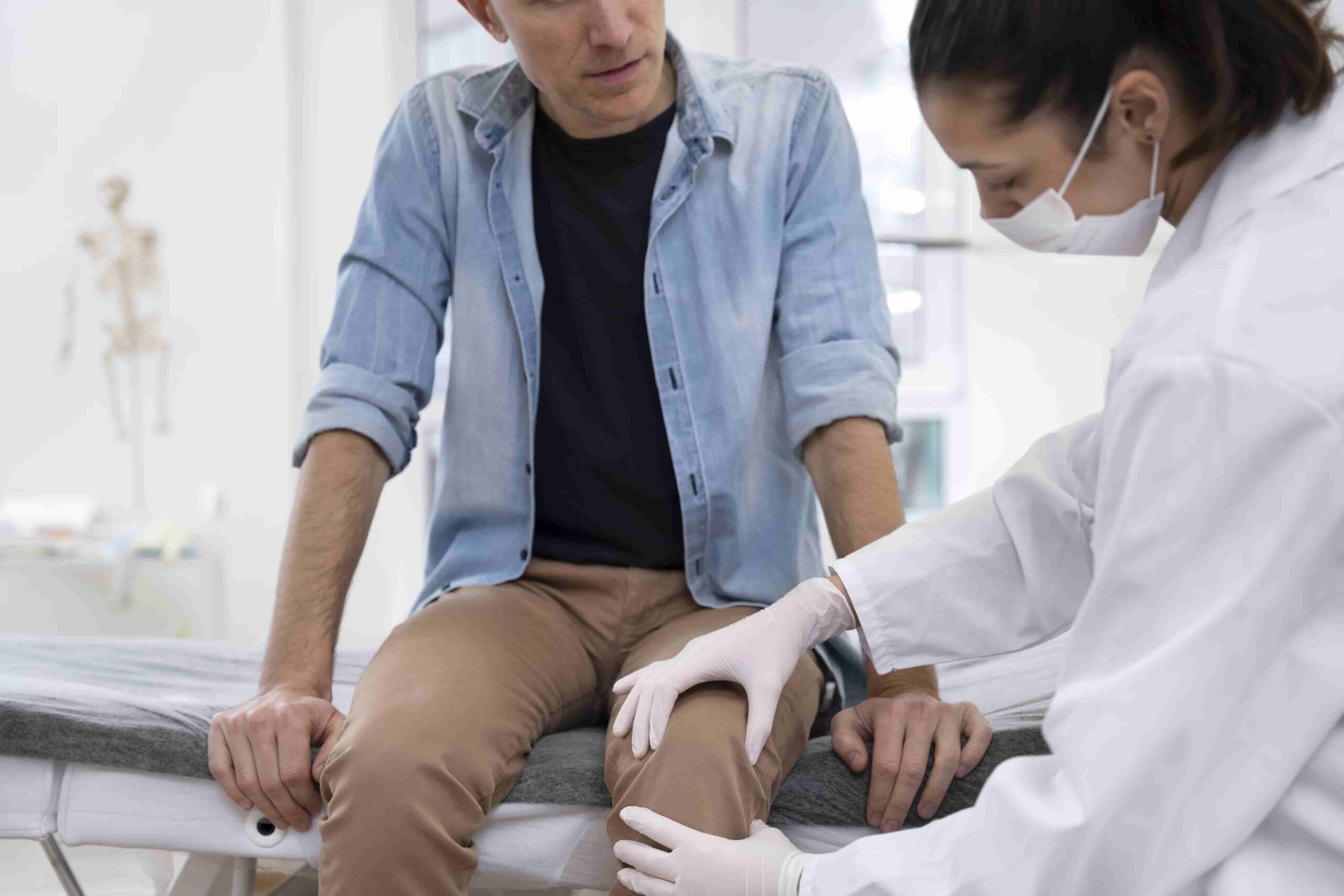
Orthopedic surgery can be a life-changing procedure, whether it involves joint replacement, fracture repair, or ligament reconstruction. However, the surgery is only the beginning of the journey toward full recovery. Proper rehabilitation is essential to restore mobility, reduce pain, and prevent complications. Following a structured plan helps patients regain strength, flexibility, and confidence in their movements. This article outlines 10 essential rehabilitation tips after orthopedic surgery to guide patients through a safe and effective recovery process.
1. Follow Your Surgeon’s Instructions Closely
The first and most important step in rehabilitation is adhering strictly to your surgeon’s post-operative instructions. These guidelines are tailored to your specific procedure and overall health. Ignoring or modifying them without medical consultation can lead to delayed healing, increased pain, or even re-injury. Instructions may include medication schedules, wound care protocols, and restrictions on movement or weight-bearing activities.
2. Prioritize Pain Management
Pain control is crucial for successful rehabilitation. Proper pain management allows patients to participate in physical therapy and daily activities without unnecessary discomfort. Depending on the type of surgery, your doctor may recommend prescription medications, over-the-counter pain relievers, ice therapy, or a combination of these. Avoid overusing painkillers and consult your physician if pain persists or worsens.
3. Engage in Physical Therapy
Physical therapy (PT) is often the cornerstone of orthopedic recovery. A licensed physiotherapist can design exercises that target specific muscles, improve joint mobility, and enhance functional strength. Early PT may involve gentle range-of-motion exercises, while later stages focus on strengthening and endurance. Attending all scheduled PT sessions and practicing exercises at home significantly accelerates recovery.
4. Start with Gentle Movements
Immediately after surgery, the body needs time to heal. While rest is essential, gentle movements help prevent stiffness, reduce swelling, and maintain circulation. Simple activities like ankle pumps, finger flexes, or shoulder rotations (depending on the surgery site) can stimulate blood flow and prevent complications such as blood clots. Always perform movements recommended by your healthcare provider to avoid overexertion.
5. Maintain a Balanced Diet
Nutrition plays a critical role in recovery. Protein-rich foods, leafy greens, and calcium-rich items promote tissue repair and bone health. Additionally, staying hydrated supports circulation and helps the body process medications effectively. Some patients may require supplements, such as vitamin D or calcium, as advised by their physician. Avoid processed foods and excessive sugar, which can hinder the healing process.
6. Gradually Increase Activity Levels
Rehabilitation is a step-by-step process. After initial rest and gentle exercises, gradually increase activity levels based on your doctor’s guidance. Weight-bearing exercises, walking, or light resistance training may be introduced in stages. Sudden, intense movements can stress the surgical site, so progression should be slow and consistent. Tracking progress in a recovery journal can help monitor improvements and setbacks.
7. Incorporate Strengthening Exercises
Once cleared by your physician or physiotherapist, focus on strengthening exercises targeting muscles surrounding the operated area. Strong muscles provide better support to joints and bones, reducing the risk of future injuries. Exercises may include resistance band routines, bodyweight movements, or low-impact gym equipment under professional supervision.
8. Pay Attention to Posture and Body Mechanics
Proper posture and body mechanics reduce strain on the surgical site during daily activities. Patients recovering from orthopedic procedures should learn correct ways to sit, stand, lift objects, and walk. Ergonomic adjustments at home, such as supportive chairs or raised toilet seats, can make movements safer and more comfortable.
9. Monitor for Complications
Awareness of potential complications is vital. Signs such as increased swelling, redness, fever, unusual discharge from the wound, or severe pain should prompt immediate medical attention. Early detection allows timely intervention and prevents minor issues from turning into serious setbacks. Regular follow-up appointments with your surgeon are crucial for monitoring healing progress.
10. Maintain a Positive Mindset
Recovery after orthopedic surgery is as much a mental challenge as a physical one. Staying positive, motivated, and patient can greatly influence outcomes. Setting realistic goals, celebrating small milestones, and seeking support from family or support groups helps maintain morale during the rehabilitation journey. Stress management techniques such as meditation, deep breathing, or light hobbies can also aid recovery.
Conclusion
Rehabilitation after orthopedic surgery is a multi-faceted process that combines medical guidance, physical therapy, nutrition, and mental resilience. Following these 10 tips, from adhering to your surgeon’s instructions and engaging in physical therapy, to maintaining proper nutrition and a positive mindset, can significantly enhance recovery outcomes. Remember, each patient’s journey is unique, and progress may vary. For those seeking a professional Orthopedic Surgeon in Lahore and comprehensive healthcare support during post-surgery rehabilitation, Instacare.pk offers reliable resources and expert advice to ensure a safe and effective recovery.




Discover Modern Comfort: A Guide to Apartment Rent in Beirut
Beirut, the lively capital of Lebanon, is a city that blends deep-rooted history with a mo…



Discover Modern Comfort: A Guide to Apartment Rent in Beirut
Beirut, the lively capital of Lebanon, is a city that blends deep-rooted history with …