

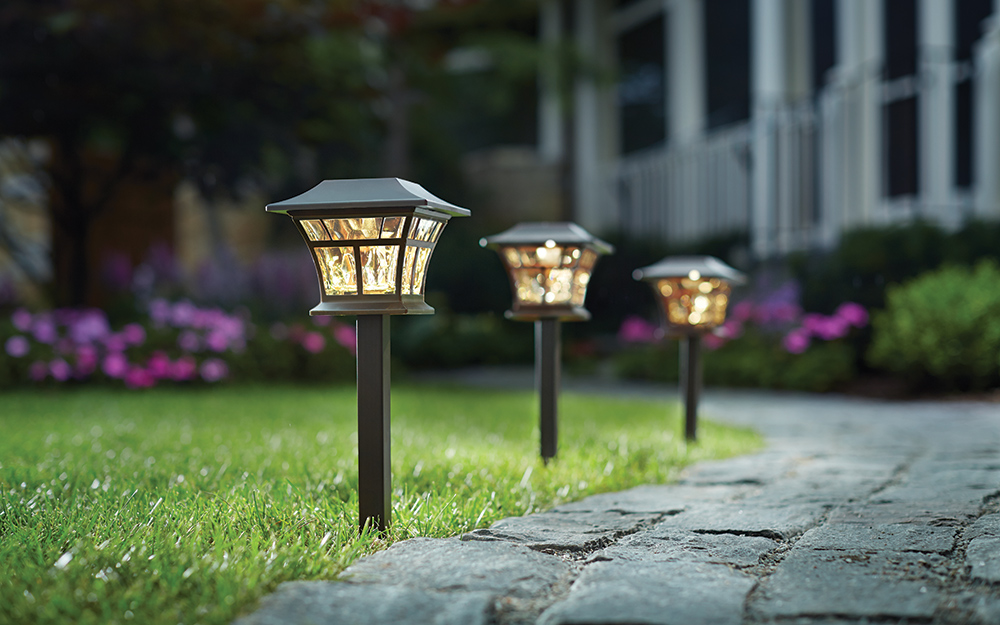
When people search “yard lights”, they usually want two things at once: a yard that looks amazing after sunset—and outdoor lighting that actually helps with safety and visibility. The best yard lighting does both. It turns dark outdoor space into a warm extension of your home, highlights landscaping, and makes walkways, steps, and entrances easier to navigate.
If you’re planning to upgrade your exterior, this guide will help you choose the right garden & landscape lights for your space (and avoid the common mistakes that make outdoor lighting look uneven or “too harsh”).
What Are Yard Lights (and What They’re Used For)?
Yard lights is a broad term that includes multiple types of outdoor fixtures designed to illuminate:
- Pathways & walkways (navigation + safety)
- Garden beds & plants (beauty + depth)
- Trees & features (accent + curb appeal)
- Walls, fences, and home exterior (architecture + structure)
- Driveways and dark corners (security + visibility)
A strong outdoor lighting plan uses layers—so your yard doesn’t look flat, overly bright, or spotty.
The 3-Layer Yard Lighting Method (Pro Look, Even on a Budget)
If you want your yard lights to look professionally designed, think in layers:
1) Foundation Lighting (Safety + Navigation)
This is lighting for paths, steps, and entrances—places people walk at night.
Best fixture types:
- Path lights
- Step lights
- Low-level bollards (if available)
Goal: Clear movement without glare.
2) Accent Lighting (Beauty + Landscape Focus)
Accent yard lights are what create the “wow” factor. They highlight focal points like:
- Trees (uplighting)
- Garden beds (soft wash)
- Rock features / stone texture
- Planters and landscape borders
Best fixture types:
- Spotlights
- Well lights
- In-ground lights (for dramatic uplight)
Goal: Add depth and contrast.
3) Perimeter / Security Lighting (Confidence + Coverage)
This layer covers dark corners and entry points:
- Side yards
- Garage area
- Gates
- Back doors
Best fixture types:
- Brighter spotlights
- Motion-capable lights (if your setup supports them)
Goal: Visibility where you need it, without overlighting the whole yard.
Choosing Yard Lights by Area
Yard Lights for Pathways
Use consistent spacing so the path looks clean. Most people place path lights randomly—result: uneven brightness and a messy look.
Quick tip: Start at the front door path, then extend to side paths and the backyard.
Yard Lights for Gardens
For gardens, softer lighting wins. Use low-glare fixtures to avoid washing out plants.
Best approach:
- Use short lights near borders
- Add a single accent for your favorite plant or feature
Yard Lights for Trees
Trees are the easiest “premium” upgrade in outdoor lighting. A single well-placed light can make your yard look high-end.
Placement:
- 2–4 feet from the trunk for uplight
- Adjust angle to catch canopy without blinding glare
Yard Lights for Driveways
Driveway lighting should guide edges and add security. Consider a mix:
- Subtle edge lighting (navigation)
- Focused lighting near garage (function)
Low Voltage Yard Lights vs Solar Yard Lights
A common voice-search question is:
“Which yard lights are better: solar or low voltage?”
Choose Solar Yard Lights if:
- You want the easiest installation (no wiring)
- You’re lighting small areas (edges, planters, quick accents)
- Your yard gets strong sunlight during the day
Choose Low Voltage Yard Lights if:
- You want more consistent brightness
- You’re building a full landscape lighting layout
- You prefer long-term scalability (add more fixtures over time)
Many homeowners combine both: low voltage for main design, solar for extra accents.
How Many Yard Lights Do You Need?
This depends on yard size and goals, but here’s a simple starter plan that works for many homes:
- 4–8 path lights (front walkway + key path)
- 2–4 spotlights (trees/features)
- 2 step lights (stairs/deck edge)
- 1–2 brighter fixtures (garage/side yard)
Start smaller and expand. Outdoor lighting always looks better when it’s intentional—not overloaded.
Common Mistakes That Hurt Results (and Rankings)
These mistakes also increase bounce rate because people feel the product “didn’t work”:
- Too bright everywhere → yard looks harsh, not elegant
- No focal point → nothing stands out
- Random spacing → messy visual rhythm
- Glare in sightlines → lights shine into eyes/windows
- Ignoring installation planning → visible wires, uneven layout
If you’re shopping a category like garden & landscape lights, filter your selection by use-case first (path, spot, in-ground) instead of choosing by looks alone.
A Simple Yard Lighting Layout You Can Copy
If you want a clean, modern yard lighting plan:
- Outline the main path to the door
- Add two accents (tree + feature wall or garden bed)
- Light steps and deck edges
- Cover one dark corner for security
- Step back from the street and adjust spacing/angles
This layout looks balanced and “designed,” not cluttered.
FAQs
What are the best yard lights for a small yard?
Path lights plus 1–2 spotlights are usually enough. Focus on the entry path and one focal feature (tree or garden bed).
How do I make yard lights look expensive?
Use the 3-layer method: path lighting for structure, accent lighting for depth, and minimal perimeter lighting for coverage. Keep spacing consistent.
Should yard lights be warm white or cool white?
Warm white feels welcoming and works for most homes. Cool white can look modern but may feel harsh if overused.
How far apart should pathway yard lights be?
A common range is about 6–10 feet apart depending on brightness and fixture height. The key is consistent spacing.
Are yard lights worth it?
Yes—yard lighting improves curb appeal, usability of outdoor areas at night, and safety around paths, steps, and entrances.
Final Thought
The best yard lights aren’t about lighting everything—they’re about lighting the right things. Start with safety (paths and steps), then add accents (trees and features), then finish with a little coverage for darker zones. That’s how you create a yard that looks beautiful, feels secure, and stays visually balanced.
Discover Modern Comfort: A Guide to Apartment Rent in Beirut
Beirut, the lively capital of Lebanon, is a city that blends deep-rooted history with a mo…



Discover Modern Comfort: A Guide to Apartment Rent in Beirut
Beirut, the lively capital of Lebanon, is a city that blends deep-rooted history with …