


In the world of marketing, we sometimes get so focused on clicks and impressions that we forget the power of physical presence. As someone who has spent years in the printing industry, I have seen businesses spend thousands on digital ads that vanish in a scroll, while a simple, well-placed rack card quietly generates leads month after month. There is a specific kind of trust that comes from a tangible piece of marketing. When a customer walks into a hotel lobby, a visitor center, or a local coffee shop and physically picks up your card, they are making a conscious choice to engage with your brand.
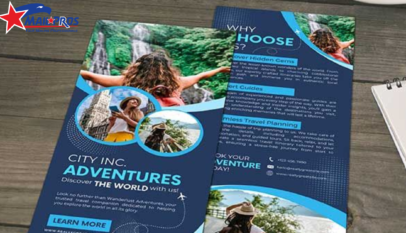
At MailProsUSA, we often tell our clients that rack card printing is one of the most underrated tools in a local business’s arsenal. Whether you run a tour company, a restaurant, or a service-based business, these slender 4×9 cards act as silent ambassadors. They work when you are sleeping, waiting patiently in high-traffic areas for the exact moment a customer needs what you offer. It isn’t just about putting ink on paper; it is about creating a connection that feels professional and established.
Why Rack Cards Still Dominate Local Marketing
You might wonder if print is still relevant in 2025. The answer is a resounding yes, especially for local markets. When people are traveling or exploring a new area, they actively look for information in physical spaces. A rack card display is a curated list of “best things to do,” and being part of that display lends your business instant authority. Unlike a social media ad that interrupts a user’s experience, a rack card is invited. The customer chooses to pick it up, which means the intent to purchase is already significantly higher.
However, simply being in the rack isn’t enough. You are often competing with two dozen other businesses side-by-side. The most successful campaigns I’ve managed didn’t just have good offers; they had the right physical presence. This is where the difference between a flimsy flyer and a professional card comes in. If you want to understand the technical specifications that make a card stand out, you can review our Rack Card Printing options to see how professional sizing and bleed setup create a polished look.
The Art of the “Top-Third” Design
One of the most common design mistakes I see business owners make is burying the lead. When your card is sitting in a holder, only the top three inches are visible. If your logo is at the bottom, or your main headline is in the middle, you are invisible. We always advise clients to treat that top third like a billboard. It needs a high-resolution image and a punchy headline that screams value immediately. If you don’t hook them in that split second, they won’t pull the card out to read the rest.
Once they do pull the card out, the layout needs to be digestible. This isn’t the place for a wall of text. Think of your rack card as a teaser trailer, not the whole movie. If you need to provide extensive details, technical specs, or long-form storytelling, you are better off using Brochures, which offer multiple panels for content. For rack cards, stick to bullet points, vibrant visuals, and a clear call to action.
Choosing the Right Paper Stock and Finish
I cannot stress this enough: the quality of the paper reflects the quality of your business. If a potential customer picks up a card and it feels like standard printer paper, they subconsciously associate your brand with “cheap” or “amateur.” Rack cards need to be rigid enough to stand up straight in a display without curling over time. We generally recommend a 14pt or 16pt cardstock. It needs that “snap” when you flick it—a tactile signal of durability and professionalism.
The finish also plays a massive role in perception. A high-gloss UV coating is fantastic for businesses that rely on photography, like food or travel, because it makes colors pop and protects the card from fading in sunlight. However, if you want a more sophisticated, understated look, a matte finish suggests luxury. This is similar to the choices you might make with Postcard Printing, where the texture of the card contributes to the overall brand experience.
Creative Distribution Strategies
While the traditional “rack” in a hotel lobby is the most obvious placement, our most creative clients don’t stop there. Rack cards are the perfect size to slip into shopping bags as a “thank you” note or a bounce-back coupon. Because they are sturdier than standard Flyers, they tend to stay on a customer’s fridge or in their car console longer. You can even partner with complementary businesses—for example, a real estate agent might leave a stack of rack cards at a local furniture store.
If you are looking to target residential areas rather than commercial hubs, you might want to pivot your strategy slightly. While rack cards wait for customers to find them, Door Hanger Printing allows you to take that same 4×9 vertical format directly to the homeowner’s front door. Alternatively, if you want to include a tear-off coupon to track ROI specifically, Rip Hanger Printing offers a built-in perforated business card section that customers love to keep.
Integrating Print into a Wider Campaign
Consistency is the secret sauce of branding. Your rack card should not look like a stranger to your other marketing materials. If you are running a local awareness campaign, your rack cards should match the visuals on your Poster Printing advertisements and your online presence. When a customer sees the same colors and fonts in a store window and then again in a brochure rack, that repetition builds trust and memory.
For a truly aggressive local strategy, many of our clients combine rack cards with EDDM Postcard Printing (Every Door Direct Mail). You can blanket a neighborhood with mailers to build awareness, and then ensure your rack cards are stocked in local shops to capture the foot traffic. It creates a “surround sound” effect where your brand feels ubiquitous in the community.
Ensuring Professional Results
There is a temptation to try and design and print these things yourself to save a few dollars. I have seen the results of home-printed rack cards, and unfortunately, they often cost the business owner more in lost reputation. Issues like ink smudging, uneven cutting, and lack of professional bleed (where the image goes to the edge) stand out like a sore thumb. Professional printers handle the technical heavy lifting, ensuring your RGB screen colors convert correctly to CMYK print colors.
We are here to help guide you through these technical hurdles. We know that navigating paper stocks and coating options can be confusing if you haven’t done it before. You can read more about our philosophy and team on our About Us page. If you are ready to start a project but aren’t sure which product suits your specific goals, please don’t hesitate to reach out via our Contact Us page.
FAQs
1. What is the standard size for a rack card?
The industry standard is 4″ x 9″. This size is universally accepted for brochure holders and display stands in hotels, airports, and visitor centers. It is large enough to be noticed but compact enough to be portable.
2. Should I print on both sides of the rack card?
Absolutely. Printing on one side is a wasted opportunity. Use the front for a “hook”—a stunning image and a headline. Use the back for the “meat”—maps, prices, hours of operation, and your contact details.
3. What is the difference between a rack card and a door hanger?
While they are often the same size (4×9), a door hanger has a die-cut hole or hook at the top to fit over a doorknob. A rack card is a solid rectangle meant for display stands or hand-to-hand distribution.
4. How can I track the success of my rack cards?
The best way is to include a specific offer or QR code. For example, “Bring this card for a free appetizer” or use a unique promo code like “LOBBY10.” This allows you to measure exactly how many customers the cards are generating.
5. Is glossy or matte better for rack cards?
If your design relies heavily on photos (like a tour operator or restaurant), glossy is usually better as it enhances color vibrancy. If your card is text-heavy or you want a more organic, elegant feel (like a spa or law firm), matte is a great choice.
Conclusion
Custom rack card printing is more than just a legacy marketing tactic; it is a proven, tangible way to build trust and drive local traffic. By combining high-quality design, the right paper stock, and strategic placement, you can turn a small piece of cardstock into a significant revenue driver. It allows you to be present where your customers are, inviting them to engage with your brand on their own terms.
Whether you are launching a new service or looking to revitalize your local presence, print offers a reliability that digital sometimes lacks. For more insights on how to optimize your print marketing strategy and grow your business, be sure to check out our Blog.
Discover Modern Comfort: A Guide to Apartment Rent in Beirut
Beirut, the lively capital of Lebanon, is a city that blends deep-rooted history with a mo…



Discover Modern Comfort: A Guide to Apartment Rent in Beirut
Beirut, the lively capital of Lebanon, is a city that blends deep-rooted history with …