

Summary
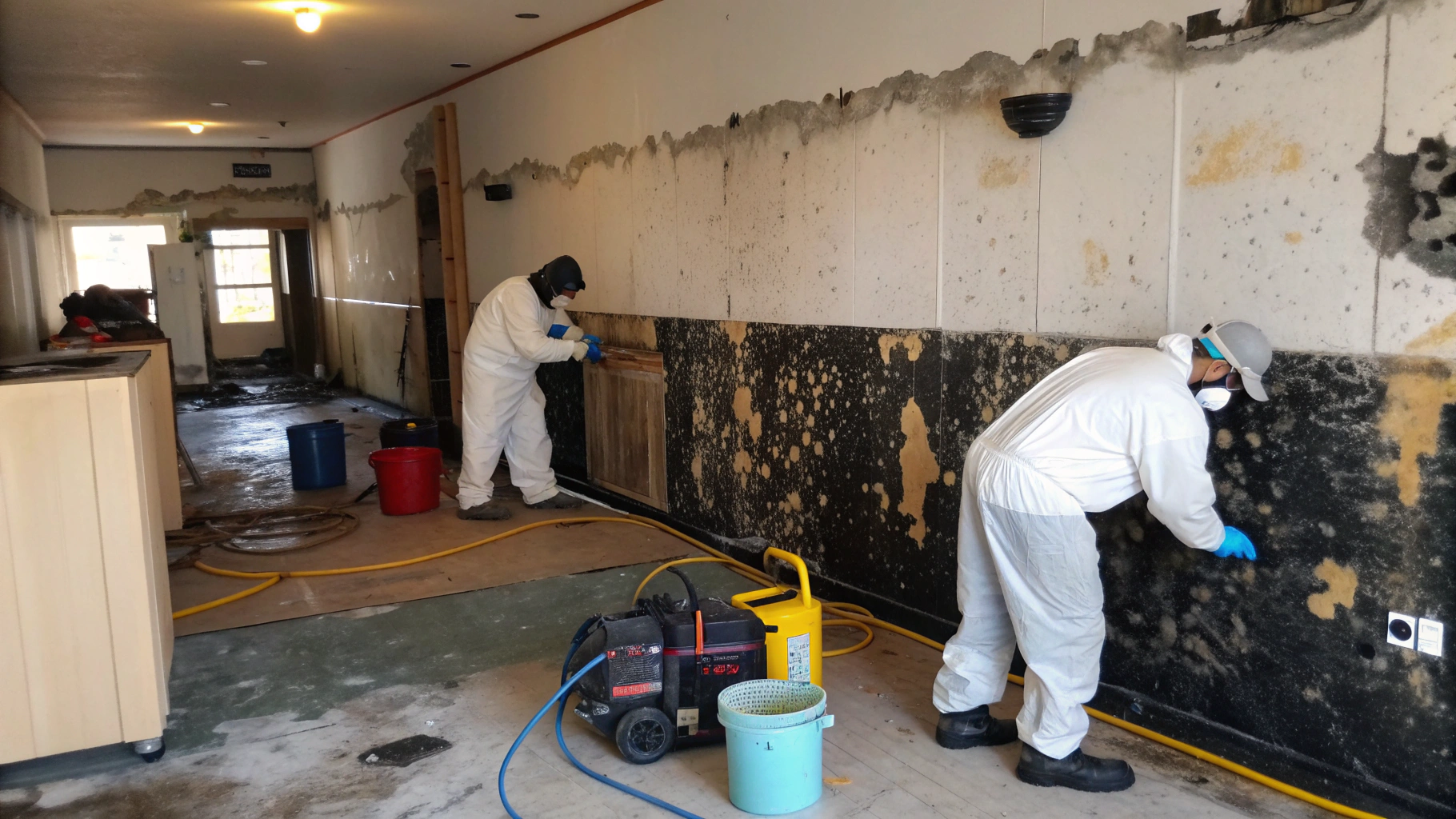
Integrated water, mold, and fire restoration reduces downtime by consolidating all damage mitigation, remediation, and reconstruction under one coordinated team. Unlike isolated services that operate sequentially, integrated restoration enables parallel workflows, faster emergency response, proactive mold prevention, streamlined insurance handling, and unified project management. This holistic approach minimizes delays, prevents secondary damage, reduces rework, and restores properties to normal use significantly faster.
–
Introduction
When a property is damaged by water, mold, or fire, time is the most critical factor. Every hour of delay increases structural deterioration, health risks, and financial loss. Traditionally, many property owners rely on isolated restoration services, hiring different contractors for water damage, mold remediation, and fire restoration. While this approach may seem logical, it often leads to longer downtime, higher costs, and coordination issues.
In contrast, integrated water, mold, and fire restoration services offer a streamlined, unified approach that significantly reduces downtime and accelerates recovery. This article explains how integrated restoration works, why it is more efficient, and how it outperforms isolated restoration models in real-world scenarios.
Understanding Integrated vs. Isolated Restoration Services
What Are Isolated Property Damage Restoration Services?
Isolated restoration services involve separate specialists handling each type of damage independently:
- A water mitigation company addresses flooding or leaks.
- A mold remediation contractor is brought in later if mold develops.
- A fire restoration company handles smoke, soot, and structural fire damage.
Each provider works in sequence rather than simultaneously, often without shared planning or data.
Result: Delays, repeated inspections, duplicated labor, and extended property downtime.
What Is Integrated Water, Mold, and Fire Restoration?
Integrated restoration services provide a single team or company capable of managing water mold fire restoration through every critical phase of recovery. This includes water extraction and structural drying, mold inspection, containment, and remediation, as well as fire, smoke, and soot cleanup. In addition, the same provider handles structural repairs and reconstruction. All services are coordinated under one project management system, one timeline, and one accountability structure, resulting in faster stabilization, fewer delays, and reduced overall downtime.
How Integrated Restoration Reduces Downtime
1. Faster Emergency Response and Damage Containment
In integrated restoration, response teams are trained to assess all damage types at once.
- Water damage is addressed immediately before mold develops.
- Fire damage assessments include moisture and microbial risks.
- Smoke-damaged areas are evaluated for hidden water intrusion.
Because no handoffs are required between companies, critical mitigation begins immediately.
Downtime Impact:
Properties are stabilized faster, preventing secondary damage that would extend restoration timelines.
2. Parallel Workflows Instead of Sequential Delays
With isolated services, restoration often happens in stages:
- Water mitigation
- Waiting period
- Mold inspection
- Remediation approval
- Fire or smoke restoration
Integrated restoration enables parallel workflows, such as:
- Drying structures while mold containment is set up.
- Performing smoke cleanup alongside moisture monitoring.
- Coordinating demolition and remediation simultaneously.
Downtime Impact:
What may take weeks with isolated services can often be reduced to days.
3. Unified Project Management and Scheduling
One of the biggest causes of downtime is poor coordination between multiple vendors.
Integrated restoration provides:
- One project manager.
- One communication channel.
- One restoration schedule.
This eliminates:
- Conflicting timelines.
- Contractor availability gaps.
- Redundant site inspections.
Downtime Impact:
The project moves forward continuously without unnecessary pauses.
4. Early Mold Prevention and Remediation
Water damage and mold growth are closely linked. Mold can begin developing within 24–48 hours of water exposure.
Integrated restoration teams:
- Monitor humidity and moisture levels continuously.
- Apply antimicrobial treatments early.
- Identify hidden mold risks during water mitigation.
In isolated models, mold is often discovered after water restoration is considered complete, restarting the process.
Downtime Impact:
Preventing mold avoids reopening walls, ceilings, and floors saving significant time.
5. Reduced Rework and Redundant Repairs
Isolated restoration often results in:
- Walls opened multiple times.
- Flooring removed more than once.
- Repeated cleaning and reconstruction.
Integrated restoration plans the entire process holistically, ensuring:
- Repairs account for all damage types.
- Reconstruction happens once, not repeatedly.
Downtime Impact:
Fewer tear-outs and rebuilds lead to faster occupancy restoration.
6. Streamlined Insurance Documentation and Approvals
Insurance delays are a major contributor to prolonged downtime.
Integrated restoration companies typically:
- Document all damage types in a single report
- Provide consolidated estimates
- Coordinate directly with insurance adjusters
This avoids multiple claims, conflicting scopes of work, and approval delays.
Downtime Impact:
Faster claim resolution allows restoration to proceed without interruption.
7. Faster Transition from Restoration to Reconstruction
Many isolated service providers stop at cleanup, leaving property owners to find separate reconstruction contractors.
Integrated restoration often includes:
- Structural repairs
- Drywall, flooring, and painting
- Final inspections and clearance testing
This creates a seamless transition from mitigation to full restoration.
Downtime Impact:
The property returns to normal use much sooner.
Final Thought
Integrated water, mold and fire restoration represents a more strategic and efficient approach to property damage restoration by eliminating fragmentation, reducing handoffs, and addressing all forms of damage within a single coordinated framework. By aligning mitigation, remediation, and reconstruction under one accountable team, this model minimizes delays, prevents secondary damage, and keeps projects moving without interruption. Compared to isolated restoration services, the integrated approach delivers faster recovery, greater consistency, and a clear advantage for property owners where downtime directly impacts safety, operations, and financial outcomes.
Discover Modern Comfort: A Guide to Apartment Rent in Beirut
Beirut, the lively capital of Lebanon, is a city that blends deep-rooted history with a mo…



Discover Modern Comfort: A Guide to Apartment Rent in Beirut
Beirut, the lively capital of Lebanon, is a city that blends deep-rooted history with …