

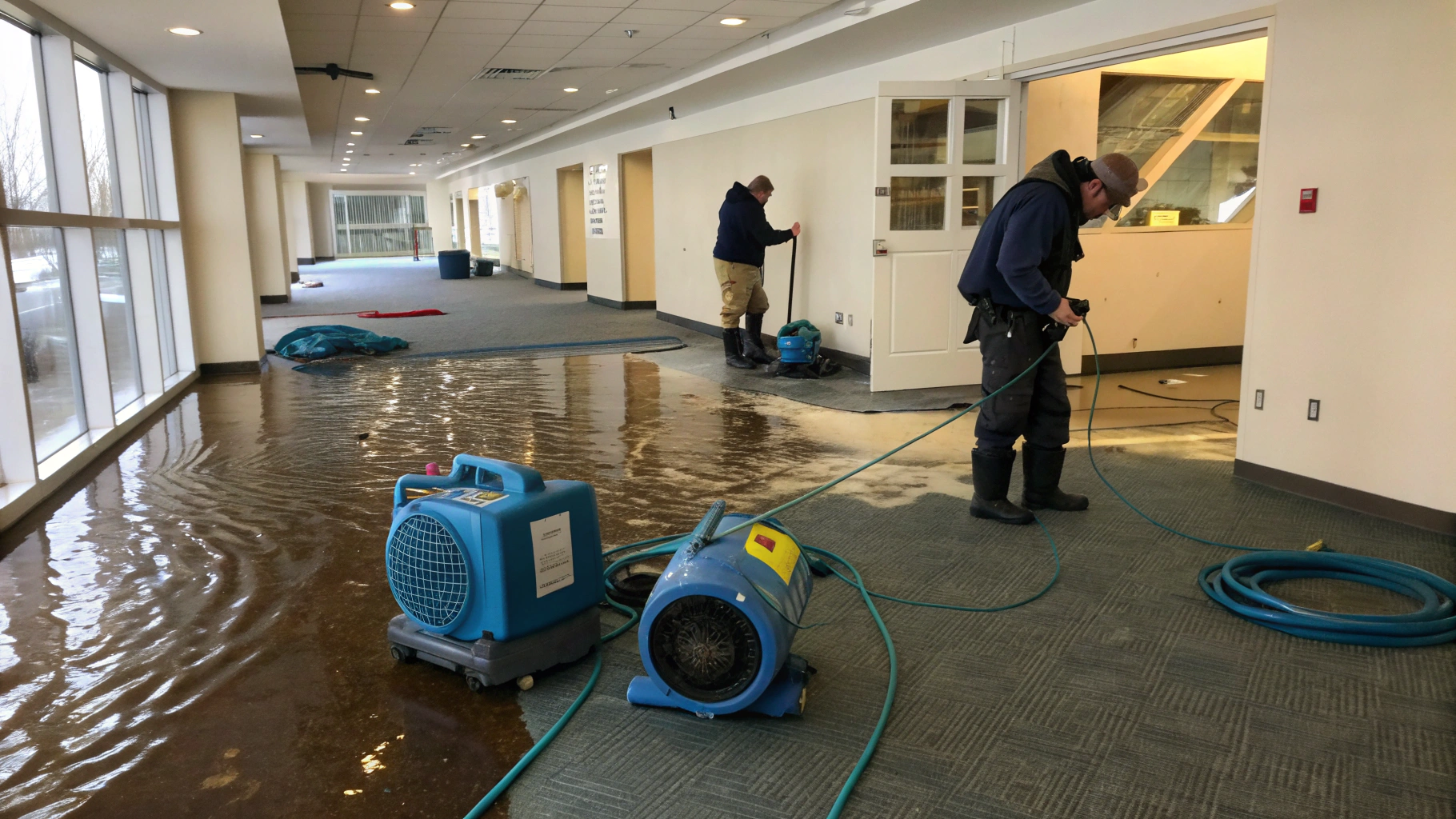
Water damage restoration stabilizes a property after moisture exposure, but it is rarely the final step. Once drying, dehumidification, and cleanup are complete, most homes still require targeted repairs to restore function, safety, and appearance. Understanding what those repairs involve helps homeowners plan timelines, budgets, and expectations more clearly.
–
Introduction
Many homeowners assume that once fans are removed and surfaces feel dry, the job is finished. In reality, restoration focuses on stopping damage from spreading, not rebuilding what was affected along the way. Materials may be removed, weakened, or altered during the process. The real question most homeowners face next is simple: what actually needs to be fixed after the restoration team leaves?
Why Restoration Alone Doesn’t Fully Return a Home to Normal
Restoration work prioritizes moisture control, material stabilization, and safety. To achieve this, professionals often remove materials that cannot dry properly in place. During water damage restoration Holly Springs NC, this may include cutting drywall, lifting flooring, or accessing hidden cavities to confirm moisture levels are safe.
Once drying is complete, the structure is stable but incomplete. Repairs address what was removed or altered during restoration, bridging the gap between a dry property and a fully functional living space.
Structural Repairs Common After Water Damage
Structural repairs focus on restoring the integrity of areas affected by prolonged moisture or material removal. These repairs are foundational and often completed before cosmetic work begins.
Drywall Removal and Replacement
Drywall is highly absorbent and commonly removed during restoration to prevent trapped moisture from lingering behind finished surfaces. Federal cleanup guidance from the U.S. Environmental Protection Agency explains that porous materials exposed to water often cannot be safely dried in place. Repair work includes installing new drywall, finishing seams, and matching textures so repaired areas blend with surrounding walls, restoring both structure and appearance.
Subfloor and Framing Repairs
When water reaches beneath surface materials, subfloors may swell or lose stability. Framing can also be affected if moisture exposure lasts too long. Repairs may involve reinforcing weakened areas or replacing sections to ensure long-term structural reliability.
Interior Finish Repairs Homeowners Should Expect
Once structural repairs are complete, attention turns to interior elements that make the space functional and visually complete again.
Flooring Repair or Replacement
Flooring repairs depend on material type and exposure duration. Carpet padding often needs replacement, hardwood may require refinishing, and tile may need reinstallation if moisture reaches below the surface. The goal is to restore stability and comfort without unnecessary replacement.
Cabinetry, Trim, and Built-Ins
Cabinets and trim frequently absorb moisture from the base upward. Even after drying, materials may remain swollen or misaligned. Repairs can include replacing damaged sections or adjusting components so they function properly again.
Mechanical and System-Level Repairs After Restoration
Beyond visible damage, water can affect critical systems that require careful inspection and repair.
Electrical Component Repairs
Water exposure can compromise outlets, switches, and wiring connections. Even when systems appear operational, replacing affected components helps ensure safety and compliance with electrical standards.
Plumbing Adjustments and Fixture Replacement
If plumbing issues caused the damage, post-restoration repairs often include pipe repairs, fixture replacement, or valve adjustments. These steps help prevent repeat incidents and ensure systems operate correctly.
Final Repairs That Make the Space Livable Again
The final phase focuses on restoring comfort and usability throughout the repaired areas.
Painting and Surface Finishing
Painting follows sealing and surface preparation to prevent stains from returning. This step restores consistency across walls and ceilings, making repairs visually seamless.
Odor Control and Material Sealing
Lingering moisture odors may require sealing subfloors, replacing insulation, or treating affected surfaces. These measures help ensure the space feels clean and comfortable over time.
Conclusion
Post-restoration repairs are a necessary continuation of the recovery process, not an optional extra. Restoration stops damage from spreading, while repairs rebuild what was disrupted. For homeowners navigating water damage restoration Morrisville NC or nearby areas, understanding this sequence makes planning easier and outcomes more predictable. Reviewing repair needs early and asking clear questions about next steps can help reduce delays and set realistic expectations as recovery moves forward.
FAQs
Q1. Are post-restoration repairs always required after water damage?
A: Not always, but they are common. If materials were removed or weakened during drying, repairs are typically needed to restore full use of the space.
Q2. Can repairs begin immediately after restoration is finished?
A: Repairs should only begin once moisture readings confirm all affected areas are fully dry. Starting too early can lead to future issues.
Q3. Do restoration companies handle repairs as well?
A: Some restoration companies manage repairs, while others coordinate with licensed contractors. Clarifying responsibilities early helps avoid delays.

Discover Modern Comfort: A Guide to Apartment Rent in Beirut
Beirut, the lively capital of Lebanon, is a city that blends deep-rooted history with a mo…



Discover Modern Comfort: A Guide to Apartment Rent in Beirut
Beirut, the lively capital of Lebanon, is a city that blends deep-rooted history with …