

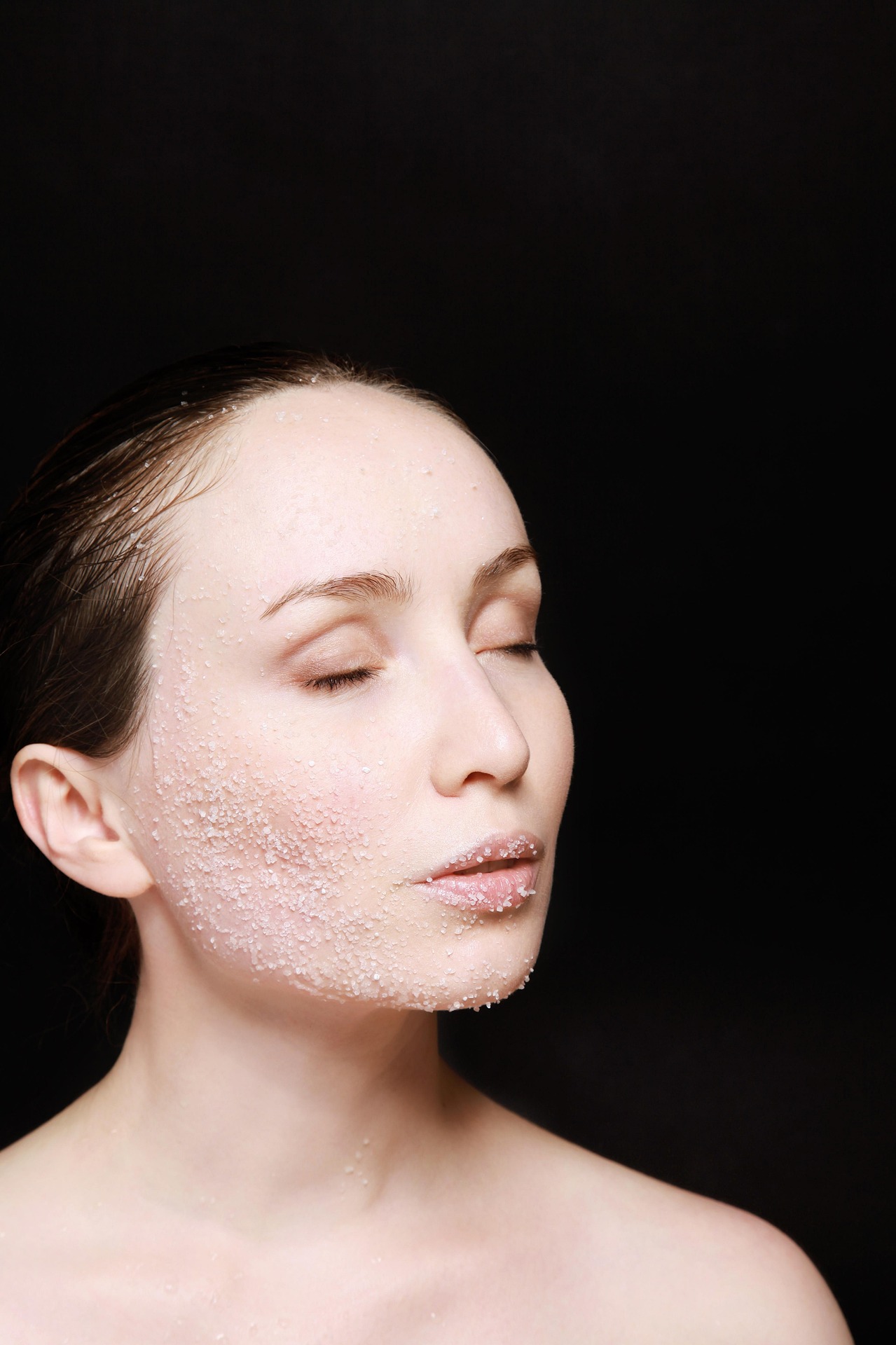
Botox wrinkles are widely used to reduce the appearance of wrinkles caused by muscle movement, such as crow’s feet and forehead lines. It works by temporarily relaxing the muscles responsible for dynamic wrinkles, smoothing the skin and preventing new lines from forming. This injectable treatment targets the root cause rather than just masking wrinkles.
The effects of Botox are not permanent but typically last several months, allowing for repeated treatments to maintain smoother skin. While traditionally sought for existing wrinkles, many people also use Botox early to delay the onset of visible lines. Understanding how Botox works can help readers decide if it’s the right option for their skincare goals.
How Botox Treats Wrinkles
Botox works by targeting the muscles that cause visible facial botox wrinkle. It reduces muscle activity, leading to smoother skin and decreased wrinkle appearance. The treatment is effective for specific wrinkle types and follows a precise injection process.
Mechanism of Action
Botox contains botulinum toxin, which blocks nerve signals in the muscles where it is injected. This prevents muscle contractions responsible for dynamic wrinkles—those caused by facial expressions. By relaxing these muscles, Botox reduces the formation of wrinkles like frown lines and crow’s feet.
It does not affect the skin directly but acts underneath by limiting muscle movement. Results typically start appearing within 3 to 5 days after treatment and reach full effect around two weeks. The effect usually lasts three to six months, after which muscle activity gradually returns.
Types of Wrinkles Treated
Botox primarily treats dynamic wrinkles, which form due to repeated muscle movements. These include:
- Forehead lines
- Glabellar lines (between the eyebrows)
- Crow’s feet (around the eyes)
Static wrinkles caused by aging or skin damage are less responsive to Botox. For these, other treatments may be necessary. Botox can also prevent new dynamic wrinkles by minimizing muscle activity before deep lines form.
Treatment Process
The treatment involves small injections of Botox directly into targeted facial muscles. A trained professional uses fine needles to deliver precise doses based on the wrinkle type and muscle strength. The procedure takes about 10 to 20 minutes and requires no anesthesia.
Patients may feel minor discomfort during injections. There is minimal downtime, allowing normal activities to resume immediately after. Full results develop over one to two weeks, with follow-up treatments recommended every few months to maintain the effect.
Expected Results and Considerations
Botox influences muscle activity to smooth wrinkles, generally producing natural-looking results without freezing facial expressions. Its effects follow a predictable timeline, last for several months, and may include mild side effects that usually resolve quickly.
Timeline for Visible Outcomes
After Botox injections, most patients notice initial changes within 3 to 5 days. Full results typically develop between 10 and 14 days as muscle relaxation completes.
The process begins with reduced muscle activity in targeted areas, leading to wrinkle softening. In some cases, minor swelling or redness at injection sites may appear immediately but fades within hours to a few days.
Regular follow-up appointments help monitor progress and address any concerns. Realistic expectations regarding the time frame contribute to patient satisfaction with outcomes.
Duration of Effects
Botox’s wrinkle-reducing effects generally last between 3 and 6 months. Variability depends on factors like age, metabolism, muscle strength, and treatment area.
Over time, muscle activity gradually returns, causing wrinkles to reappear. Patients often schedule repeat treatments to maintain smooth skin.
Adaptations in dosage and injection technique can extend results. Some individuals may experience longer-lasting benefits after multiple sessions, as muscles become trained to relax more consistently.
Potential Side Effects
Common side effects include mild bruising, swelling, or redness at injection sites. These signs usually resolve within a few days.
Less frequently, patients might experience headaches, temporary drooping of nearby muscles, or mild asymmetry. Professional administration minimizes risks.
Serious complications are rare when performed by a qualified provider. Patients should report any unusual or prolonged symptoms promptly to ensure proper care.
Discover Modern Comfort: A Guide to Apartment Rent in Beirut
Beirut, the lively capital of Lebanon, is a city that blends deep-rooted history with a mo…



Discover Modern Comfort: A Guide to Apartment Rent in Beirut
Beirut, the lively capital of Lebanon, is a city that blends deep-rooted history with …