

Shoreditch is one of London’s most distinctive property markets. Former industrial buildings converted into lofts, mixed-use developments, short-let apartments, and high-turnover rental properties all coexist within a tight urban footprint. This density, combined with older infrastructure and modern retrofits, makes gas safety a far more complex issue than in standard suburban housing.
In this environment, the Gas Safety Certificate in Shoreditch is not just a statutory requirement—it is a core risk-management tool. Landlords operating here face increased scrutiny from local authorities, higher tenant expectations, and greater exposure if safety failures occur. A single unresolved issue in a converted block can impact multiple occupiers and quickly escalate into legal and financial consequences.
Professional providers such as gassafetycertificateuk.co.uk help landlords and property managers navigate these challenges with structured inspections, accurate documentation, and compliance-focused guidance tailored to high-density urban properties.
Understanding What a Gas Safety Certificate Covers
What is Actually Being Inspected
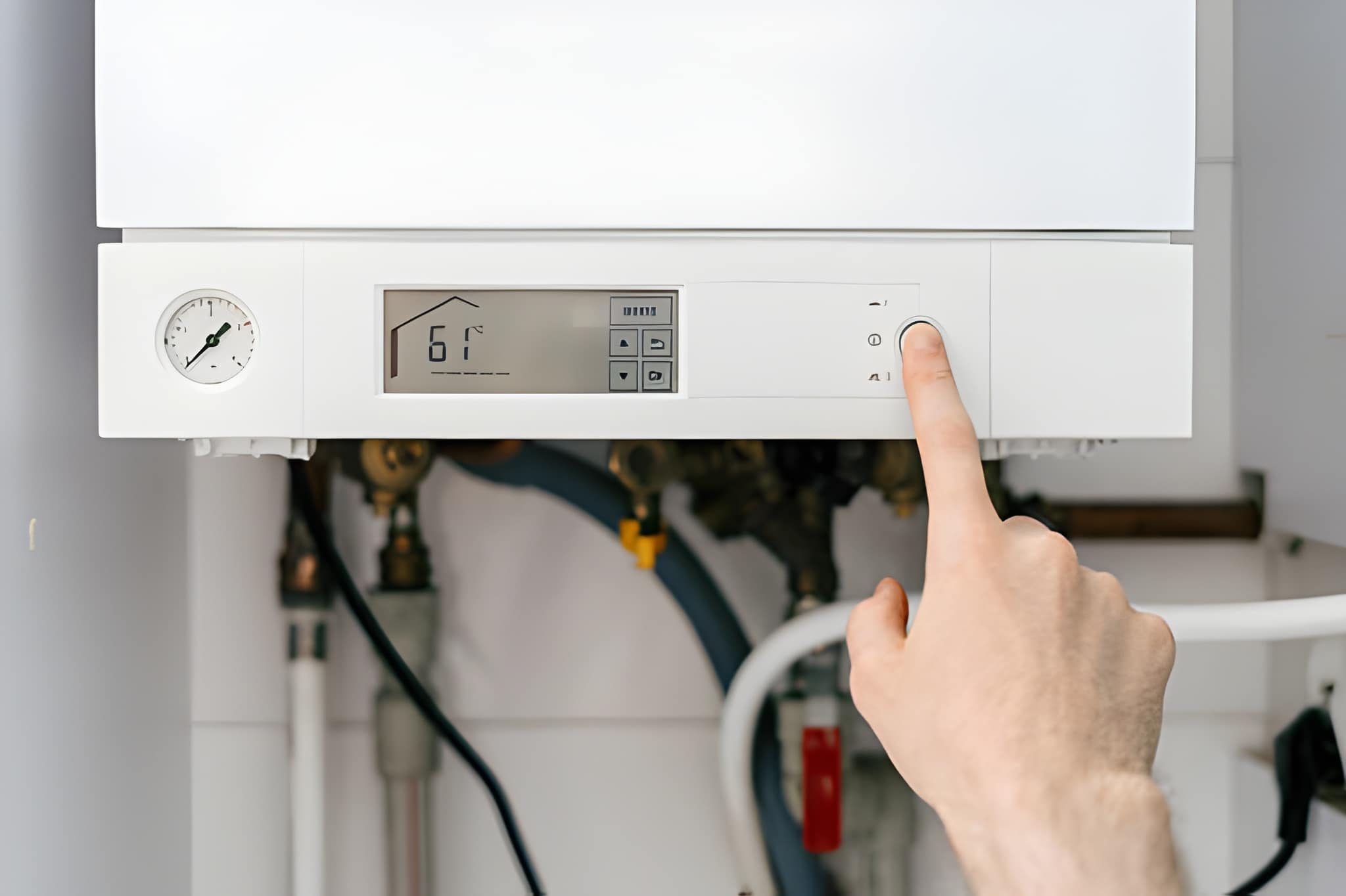
A gas safety certificate is issued after a full inspection by a Gas Safe registered engineer. The inspection covers all fixed gas appliances, associated pipework, and flues within a property, confirming that they are safe to operate at the time of assessment.
The inspection typically includes
- Gas tightness and pressure testing
- Assessment of appliance condition and installation quality
- Verification of adequate ventilation
- Confirmation of safe combustion and flue performance
While the certificate is valid for 12 months, it also forms part of a property’s long-term safety history—an increasingly important factor in Shoreditch’s regulated rental market.
Why Shoreditch Properties Require Advanced Oversight
Many Shoreditch buildings were never designed for residential gas systems. Conversions, shared flues, and compact layouts can all introduce hidden risks. Regular inspections help identify ventilation issues, appliance incompatibilities, or system strains before they become hazardous.
Legal Responsibilities for Landlords and Property Managers
Statutory Duties Under UK Regulations
Landlords are legally required under the Gas Safety (Installation and Use) Regulations to:
- Arrange annual gas safety inspections
- Use only Gas Safe-registered engineers
- Provide tenants with a copy of the certificate within 28 days
- Retain records for at least two years
A valid Gas Safety Certificate in Shoreditch is frequently requested during council licensing reviews, selective licensing schemes, and enforcement investigations. Non-compliance can result in fines, invalidated insurance policies, or criminal prosecution in serious cases.
Responsibility Cannot Be Shifted
Even when managing agents or building managers are involved, legal responsibility remains with the landlord. In mixed-use or short-let properties common in Shoreditch, this accountability is often tested—and strictly enforced.
The Gas Safety Inspection Process Explained
What Happens During a Professional Check
A gas safety inspection follows a methodical, documented process:
- Visual inspection of appliances and accessible pipework
- Leak detection and pressure stability testing
- Assessment of ventilation routes and flue integrity
- Functional testing of appliance safety controls
Each appliance is classified as safe, at risk, or immediately dangerous. Unsafe appliances must be disconnected until remedial work is completed. A current Gas Safety Certificate in Shoreditch confirms that all inspected systems met required safety standards on the day of inspection.
Managing Remedial Work in High-Occupancy Buildings
In Shoreditch, delays in repairs can disrupt multiple tenants or commercial units. Coordinating inspections and follow-up work through experienced services such as gassafetycertificateuk.co.uk helps minimise downtime while maintaining compliance across complex properties.
Tenant Expectations and Market Reality
Why Certification Influences Tenant Behaviour
Tenants in Shoreditch are typically well-informed and safety-conscious. Many expect full compliance documentation as part of the letting process, particularly in premium or short-let properties.
Providing a valid Gas Safety Certificate in Shoreditch reassures tenants that:
- Gas systems are professionally maintained
- Carbon monoxide risks are actively managed
- The landlord operates to professional standards
This transparency supports tenant confidence and reduces disputes in a competitive rental environment.
Communication as a Strategic Advantage
Clear communication regarding inspection schedules, access requirements, and outcomes enhances cooperation and minimizes friction—especially in buildings with shared systems or restricted access.
Financial and Strategic Benefits of Compliance
Cost Versus Exposure
While annual inspections involve modest costs, the consequences of non-compliance can be severe:
- Regulatory penalties
- Voided landlord insurance
- Restrictions on serving possession notices
- Reputational damage in a visible local market
Maintaining a Gas Safety Certificate in Shoreditch is a strategic safeguard that protects rental income and long-term asset value.
Supporting Property Value and Liquidity
In a market driven by investors and professional landlords, documented compliance strengthens valuations and simplifies refinancing, sales, and licensing applications.
Choosing the Right Gas Safety Partner
Why Expertise Matters in Shoreditch
Only Gas Safe-registered engineers are legally permitted to carry out inspections, but experience with complex, converted, or mixed-use buildings is equally important.
Working with established providers like gassafetycertificateuk.co.uk allows landlords to manage inspections proactively while maintaining records that stand up to regulatory scrutiny.
Avoiding Compliance Gaps
Missed renewals are one of the most common enforcement triggers. Advance booking and reminder systems are essential in a fast-moving market like Shoreditch.
Key Takeaways for Shoreditch Property Owners
- Gas safety is a core compliance issue in high-density urban properties
- Converted and mixed-use buildings require enhanced oversight
- Clear documentation protects landlords legally and financiall
- Professional support simplifies inspections and renewal management
FAQs
How long is a Gas Safety Certificate valid?
A gas safety certificate is valid for 12 months from the inspection date and must be renewed annually.
Are homeowners required to obtain a certificate?
Homeowners are not legally required unless they rent out the property, but annual checks are strongly recommended.
Can tenants request the certificate at any time?
Yes. Tenants are entitled to receive a copy and may request it during their tenancy.
What happens if an appliance fails the inspection?
Unsafe appliances must be disconnected and repaired before being used again.
Are digital certificates legally accepted?
Yes. Digital certificates are valid if issued by a Gas Safe-registered engineer and accessible to tenants.
Does using a managing agent remove landlord responsibility?
No. Legal responsibility for gas safety always remains with the landlord.
Discover Modern Comfort: A Guide to Apartment Rent in Beirut
Beirut, the lively capital of Lebanon, is a city that blends deep-rooted history with a mo…



Discover Modern Comfort: A Guide to Apartment Rent in Beirut
Beirut, the lively capital of Lebanon, is a city that blends deep-rooted history with …