

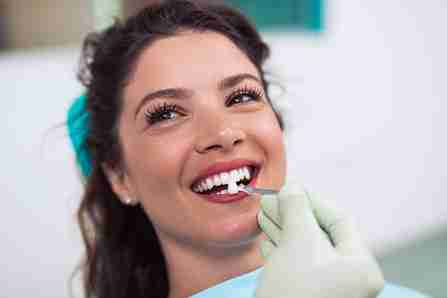
A bright, radiant smile has long been a symbol of confidence and good health. With the rise of social media and beauty standards, the desire for sparkling white teeth has grown significantly. People often turn to whitening products, kits, and home remedies to achieve that Hollywood-style smile. However, the pursuit of excessively white teeth can sometimes backfire. Overuse of bleaching agents, abrasive treatments, or DIY solutions may cause irreversible damage to teeth and gums. Understanding the risks behind aggressive whitening practices is essential to maintain a healthy, functional, and aesthetically pleasing smile.
Why People Desire Whiter Teeth
Whiter teeth are not just about appearance ,they often influence self-esteem, social interactions and even perceptions of professionalism. Several factors contribute to tooth discoloration:
- Aging: Enamel thins over time revealing darker dentin beneath.
- Dietary habits: Coffee, tea, red wine, and strongly coloured foods can stain teeth.
- Smoking: Tobacco products accelerate yellowing.
- Genetics: Some individuals naturally have darker or uneven enamel.
The desire to counter these effects has led many to seek fast, dramatic results. Unfortunately, not all whitening approaches consider the long-term health of teeth, which can lead to damage if misused.

Common Teeth Whitening Methods
There are numerous options available for brightening your smile. Understanding each method’s risks and benefits helps prevent harm:
Professional In-Office Treatments
- Fast results and monitored by dental professionals.
- Can achieve several shades of improvement safely.
- Costs are higher but results are controlled and predictable.
At-Home Kits (Strips, Gels, Trays)
- Convenient and affordable.
- Risk of overuse, which can lead to sensitivity and enamel erosion.
Natural Remedies (Baking Soda, Activated Charcoal, Lemon Juice)
- Inexpensive and easily accessible.
- Can be abrasive or acidic, causing enamel thinning and gum irritation.
| Method | Pros | Risks / Cons |
| Professional whitening | Safe, effective, fast | Higher cost |
| At-home kits | Convenient, affordable | Overuse risks, sensitivity |
| DIY / natural remedies | Cheap, easy | Enamel erosion, gum irritation |
While the allure of quick fixes is tempting, misuse of whitening products can lead to long-term oral health problems.
How Excessive Whitening Can Damage Teeth
Teeth whitening may seem harmless, but excessive or inappropriate use can compromise your enamel and overall oral health. Some of the common consequences include:
- Enamel erosion: Frequent bleaching thins the protective enamel layer, exposing dentin.
- Tooth sensitivity: Exposed dentin can make teeth highly sensitive to temperature changes or acidic foods.
- Gum irritation: Overuse of bleaching agents may cause chemical burns or inflammation.
- Uneven results: Over-whitening can leave teeth looking translucent, patchy, or unnaturally bright.
Key points to remember:
- Acidic substances like lemon juice can accelerate enamel wear.
- Brushing immediately after whitening can worsen sensitivity.
- DIY methods, while cost-effective, often lack regulatory oversight and safety monitoring.
Recognising Safe Whitening Practices
Safe whitening prioritises oral health alongside aesthetics. Here are some strategies to protect teeth while brightening your smile:
- Consult a dental professional before starting any whitening regimen.
- Follow recommended intervals between treatments to avoid overexposure.
- Use approved products with safe concentrations of bleaching agents.
- Avoid DIY remedies that involve acidic or abrasive substances.
Quick Tips:
- Limit whitening sessions according to dentist instructions.
- Focus on overall oral hygiene to maintain a naturally bright smile.
- Use fluoride toothpaste to strengthen enamel during whitening.
- Prioritise products approved by recognised dental authorities.
Patients who incorporate professional guidance often experience better results with minimal risks, ensuring both safety and a visually appealing outcome.
Combining Whitening With Healthy Oral Care
Safe whitening is most effective when combined with consistent oral hygiene:
- Brush twice daily using fluoride toothpaste.
- Floss or use interdental brushes to remove hidden debris.
- Avoid overconsumption of staining foods and drinks.
- Attend regular check-ups for monitoring and professional cleaning.
Professional guidance, especially from clinics offering teeth whitening Bristol services, helps balance cosmetic results with long-term dental health. Dentists can tailor whitening plans to your tooth condition, sensitivity levels, and lifestyle.
Alternative Ways to Improve Tooth Appearance
If whitening alone isn’t enough or poses risks, there are other effective ways to enhance your smile without harming teeth:
- Regular dental cleaning: Professional scaling and polishing remove surface stains safely.
- Dietary adjustments: Reducing coffee, tea, and sugary drinks helps prevent new stains.
Cosmetic dental procedures:
- Veneers: Thin shells that cover teeth for a uniform white appearance.
- Dental crowns: Restore tooth shape, function, and colour.
- Bonding: Correct minor imperfections while improving colour.
| Alternative | Benefits |
| Professional cleaning | Removes stains, safe for enamel |
| Veneers / Crowns | Permanent aesthetic improvement |
| Diet changes | Prevents further staining |
Integrating these methods with strong oral hygiene practices ensures long-lasting, safe results for your smile.
Risks of Over-the-Counter or DIY Whitening
Many individuals underestimate the risks of self-directed whitening. Without professional supervision:
- Bleaching agents can be applied too frequently or unevenly.
- Sensitive teeth may develop pain or enamel erosion.
- Gums may be exposed to chemical irritation.
- Results can appear unnatural or inconsistent.
The temptation to achieve immediate brightness should never outweigh the potential for long-term damage. Professional evaluation is essential before embarking on any whitening procedure.

When to See a Dentist
Persistent tooth sensitivity, gum irritation, or discolouration that does not respond to home care are signs that professional intervention is needed. Seeking expert advice can prevent damage from worsening and ensure optimal results. Services such as dental implant Bristol also rely on healthy teeth and gums for long-term success, making dental monitoring an essential part of any whitening or restorative plan.
Key signs that warrant professional care:
- Prolonged pain or discomfort after whitening.
- Red, swollen, or bleeding gums.
- Uneven or patchy tooth colour despite whitening efforts.
- Desire for cosmetic correction beyond whitening.
Conclusion
Chasing whiter teeth without guidance can lead to enamel erosion, gum irritation, and uneven results. While the desire for a radiant smile is natural, safety must come first. Professional oversight, safe product use, and strong oral hygiene routines protect your teeth while enhancing appearance. Alternative cosmetic solutions, such as veneers or crowns, may offer superior outcomes without compromising tooth health.For patients seeking expert care, personalised treatment, and safe cosmetic results, Smilo Dental Implant Bristol provides professional advice and advanced services to maintain both a healthy and beautiful smile for years to come.
Discover Modern Comfort: A Guide to Apartment Rent in Beirut
Beirut, the lively capital of Lebanon, is a city that blends deep-rooted history with a mo…



Discover Modern Comfort: A Guide to Apartment Rent in Beirut
Beirut, the lively capital of Lebanon, is a city that blends deep-rooted history with …