

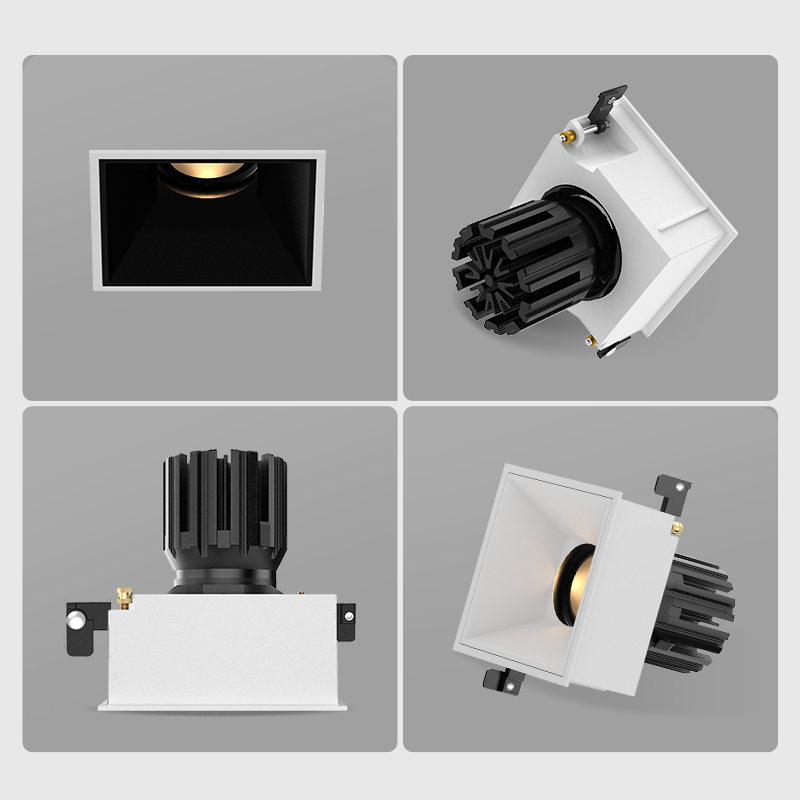
To choose the right recessed adjustable downlight, you need to check the room type, ceiling height, light angle, and light color. The right choice gives clear light, less glare, and better comfort. It also helps save energy and makes the space look clean.
This guide explains recessed adjustable downlights in very simple words, with real examples and expert tips.
What Is a Recessed Adjustable Downlight?
A recessed adjustable downlight is a ceiling light that sits inside the ceiling. The light head can tilt or turn to aim the light where you need it.
Simple Definition
- Recessed means hidden inside the ceiling
- Adjustable means you can move the light direction
- Downlight means the light shines downward
So, a recessed adjustable downlight is a ceiling light you can aim.
Why Recessed Adjustable Downlights Are Used
Not all spaces need straight-down light. Some areas need focused light.
Common Uses
- Highlight artwork
- Light shelves or desks
- Brighten corners
- Reduce shadows
Fixed lights cannot do this well. Adjustable ones can.
Why the Problem Exists: Choosing the Wrong Downlight
Many people choose downlights without planning. This causes problems later.
Common Reasons
- No lighting plan
- Choosing by looks only
- Ignoring ceiling height
- Not checking beam angle
Problems That Follow
- Dark spots
- Too much glare
- Wasted energy
- Poor room balance
Choosing the right recessed adjustable downlight solves these issues.
How Recessed Adjustable Downlights Work
These lights sit inside a cut-out hole in the ceiling. The inner lamp can move.
How Adjustment Works
- Tilt up and down
- Rotate left and right
This helps aim light exactly where needed.
Light Control Example
In a living room, one light points at a wall painting. Another points at a reading chair.
Step-by-Step: How to Choose the Right Recessed Adjustable Downlight
Below are simple steps used by lighting experts.
Step 1: Check the Room Type
Each room needs different light.
Living Rooms
- Soft light
- Adjustable for art or walls
Kitchens
- Brighter light
- Focused on work areas
Bedrooms
- Warm light
- Low glare
Offices
- Clear, neutral light
- Reduce shadows
Always start with the room purpose.
Step 2: Measure the Ceiling Height
Ceiling height matters a lot.
Low Ceilings
- Use small, shallow downlights
- Narrow tilt range
High Ceilings
- Stronger light output
- Wider beam options
Expert Tip
Higher ceilings need stronger focus to avoid dark floors.
Step 3: Choose the Right Beam Angle
Beam angle tells how wide the light spreads.
Narrow Beam (15°–25°)
- Art
- Display items
Medium Beam (30°–45°)
- General room lighting
- Reading areas
Wide Beam (50°+)
- Large open areas
- Soft spread
Common Mistake
Using narrow beams for whole rooms creates dark edges.
Step 4: Pick the Right Light Color
Light color affects mood and comfort.
Warm White (2700K–3000K)
- Homes
- Hotels
- Relaxing areas
Neutral White (3500K–4000K)
- Offices
- Shops
- Kitchens
Cool White (5000K+)
- Rare for homes
- Work or task areas
Simple Rule
Warm for rest. Neutral for work.
Step 5: Check Glare Control
Glare hurts the eyes.
Why Glare Happens
- Light too bright
- Wrong angle
- Poor fixture design
How to Reduce Glare
- Choose deep-set lights
- Use proper tilt angles
- Avoid direct eye view
Real-Life Example
A tilted light aimed at a wall causes less glare than one facing down.
Step 6: Look at Adjustability Range
Not all adjustable lights move the same.
Things to Check
- Tilt angle (20°, 30°, 45°)
- Rotation range
- Locking position
Why It Matters
More movement gives more control, especially for displays.
Step 7: Consider Energy Use
Most modern recessed adjustable downlights use LED.
LED Benefits
- Low power use
- Long life
- Less heat
Expert Insight
LED lights reduce power bills over time.
Who Recessed Adjustable Downlights Are For
This lighting works for many users.
Ideal For
- Homeowners
- Architects
- Interior designers
- Office managers
Best Spaces
- Living rooms
- Offices
- Retail stores
- Galleries
- Hotels
If a space needs flexible light, this is a good choice.
Key Benefits of Recessed Adjustable Downlights
Here are the main benefits in simple words:
- Light goes where you want
- Cleaner ceiling look
- Fewer shadows
- Better focus
- Energy saving
These benefits make them very popular in modern spaces.
Common Mistakes People Make
Even good lights fail if used wrong.
Top Mistakes
- Too many downlights
- Wrong beam angle
- Ignoring glare
- Poor spacing
- Mixing light colors
How to Avoid Them
- Plan layout first
- Test one light before full install
- Keep light color consistent
Safety Tips and Warnings
Lighting is safe when done right.
Important Safety Tips
- Use correct voltage
- Follow local rules
- Ensure good heat control
- Use certified products
Warning
Poor installation can cause flicker or early failure.
Cost and Pricing: What to Expect
Prices depend on quality and features.
Cost Factors
- Brand
- Adjustability range
- Light output
- Finish type
General Cost Insight
- Adjustable downlights cost more than fixed ones
- LEDs save money long term
- Fewer replacements needed
Think of total life cost, not just purchase price.
Best Practices for Long-Term Use
Good lighting lasts longer with care.
Maintenance Tips
- Clean trims every few months
- Check tilt position yearly
- Replace drivers if needed
Design Best Practices
- Use fewer lights with better aim
- Balance light across the room
- Avoid over-lighting
Simple layouts age better.
When to Seek Professional Help
You should seek professional help when:
- The ceiling is very high
- The space is large or complex
- Glare issues keep happening
- Power use is too high
Lighting experts help plan better layouts and avoid mistakes.
Soft Educational Recommendation
Learning from real lighting projects helps make better choices. Many professionals study lighting guides, case examples, and design notes shared by experienced brands like Nuordic Lighting Company to understand how adjustable downlights perform in real spaces.
Conclusion
Choosing the right recessed adjustable downlight is about planning, not guessing. When you match the light to the room, ceiling, and task, the result is clear, calm, and efficient lighting that lasts for years.
FAQs
What is a recessed adjustable downlight?
It is a ceiling light that can tilt or turn to aim light.
Are adjustable downlights better than fixed ones?
They are better when you need focused or flexible light.
What beam angle is best for living rooms?
A medium beam angle works best for most living rooms.
Do recessed adjustable downlights save energy?
Yes, especially when they use LED technology.
Can these lights be used in small rooms?
Yes, if spacing and brightness are planned well.


Discover Modern Comfort: A Guide to Apartment Rent in Beirut
Beirut, the lively capital of Lebanon, is a city that blends deep-rooted history with a mo…



Discover Modern Comfort: A Guide to Apartment Rent in Beirut
Beirut, the lively capital of Lebanon, is a city that blends deep-rooted history with …