

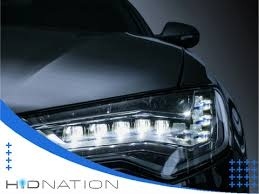
The introduction of High Intensity Discharge lighting technology revolutionized automotive illumination by delivering brightness levels previously unattainable through conventional methods. Throughout 2026, HID headlights maintain their position as an exceptional choice for drivers seeking dramatic visibility improvements combined with proven reliability and accessible pricing. The unique characteristics of xenon arc discharge technology—intense white light, distinctive aesthetics, and practical performance benefits—continue attracting vehicle owners who understand that proper illumination directly impacts driving safety and confidence.
The Xenon Arc Discharge Process
HID headlights operate through a sophisticated plasma generation process fundamentally different from traditional lighting technologies. Inside each bulb, two tungsten-thorium electrodes are precisely positioned 4.5 millimeters apart within a high-purity fused silica envelope. This capsule contains xenon gas pressurized to approximately 12 bar at ambient temperature, along with carefully calibrated metallic halide compounds—specifically mercury bromide, sodium thallium iodide, and scandium iodide in precise stoichiometric ratios.
System ignition begins when the electronic ballast delivers a high-voltage pulse exceeding 28,000 volts across the electrode gap. This extreme voltage ionizes the xenon gas, creating a conductive plasma channel and establishing a luminous electrical arc between the electrodes. The initial xenon glow provides immediate illumination during cold start while maintaining chemical stability. Within 7-10 seconds, as the electrical discharge heats the capsule to approximately 800-1100 degrees Celsius, the metallic halide salts transition from solid crystalline form to gaseous plasma state, their atomic emissions dominating light production and creating the characteristic intense white or cool-white output associated with HID headlights.
The ballast continues serving as the system’s electronic control center throughout operation. Following arc establishment, the ballast transitions to steady-state regulation at approximately 88 volts AC with current around 0.42 amperes, maintaining stable plasma conditions. Advanced digital ballasts incorporate microcontroller-based regulation systems that continuously monitor arc impedance, adjust power delivery compensating for temperature variations and electrode erosion, and provide comprehensive protection against electrical faults including overvoltage, undervoltage, short circuits, and thermal overload conditions.
The engineering precision demanded by HID technology explains significant quality variations across products. Electrode geometry must achieve tolerances within 0.1 millimeters, silica envelope purity must resist high-temperature devitrification, metallic halide mixtures must maintain precise molar ratios, and hermetic sealing must prevent any gas leakage over thousands of operational hours. Premium HID xenon headlights incorporate these critical specifications, ensuring consistent performance throughout their rated service life.
Intense Brightness and Enhanced Visibility
The fundamental motivation for adopting HID headlights centers on exceptional brightness delivering measurable safety improvements during nighttime operation. Quality HID lighting systems generate 3,500-5,800 lumens per bulb—approximately 3.5 to 4.5 times the output of standard halogen bulbs producing 1,300-1,600 lumens. This substantial photometric advantage transforms dark roadways into clearly illuminated environments, dramatically expanding the detection zone where drivers can identify and assess potential hazards.
The photometric characteristics of xenon arc discharge contribute importantly to visibility enhancement beyond raw lumen output. The compact, high-intensity arc source measuring approximately 2-3 millimeters in length enables exceptional optical control through vehicle reflector and projector systems. This concentrated source produces sharply defined beam patterns with excellent horizontal spread, precise vertical cutoff characteristics, and minimal scattered light—maximizing useful road surface illumination while preventing glare affecting oncoming traffic and pedestrians.
The spectral power distribution of HID xenon lighting provides additional perceptual advantages for human vision. Operating between 4,200K and 6,500K correlated color temperature depending on specific metallic halide formulation, HID systems emit predominantly white light with significantly enhanced blue and green spectral content compared to halogen sources. This spectral composition improves mesopic vision—the transitional vision state between photopic (daylight) and scotopic (night) conditions where both rod and cone cells contribute—enhancing contrast sensitivity, peripheral detection capabilities, and overall visual acuity during nighttime driving.
Quantitative research demonstrates measurable improvements: controlled field studies indicate drivers equipped with HID headlights achieve visual recognition of roadway obstacles 60-95 feet earlier compared to halogen-equipped vehicles traveling at 60 mph. This extended detection range translates to approximately 1.4-1.9 additional seconds of available reaction time—potentially critical intervals enabling successful collision avoidance during emergency situations requiring immediate driver response.
Strategic Color Temperature Selection
HID technology’s flexibility in available color temperatures enables drivers to optimize performance for specific conditions, preferences, and priorities. At 4,300K, HID bulbs produce bright white light with optimal luminous efficacy—achieving the highest ratio of perceived brightness to electrical power consumed among all HID color temperatures. This temperature also delivers superior atmospheric penetration through fog, precipitation, and atmospheric haze, making 4,300K the pragmatic choice for drivers prioritizing maximum functional performance across all weather conditions. Automotive manufacturers predominantly specify 4,300K for factory HID installations based on comprehensive real-world performance validation.
The 5,000K specification achieves pure white light output that balances functional performance with contemporary aesthetics. This intermediate option maintains excellent visibility across diverse environmental conditions while providing the crisp, modern appearance many drivers associate with premium vehicles. Market research consistently indicates 5,000K represents the most popular choice among aftermarket installations, successfully satisfying both practical visibility requirements and aesthetic preferences simultaneously.
At 6,000K, HID systems emit cool white light with subtle blue undertones—the distinctive signature appearance associated with luxury European automobiles and high-end vehicle brands. While delivering undeniable visual impact and premium aesthetics, 6,000K systems experience modestly reduced luminous efficacy and slightly diminished atmospheric penetration compared to warmer specifications. This makes 6,000K ideal for drivers in predominantly clear climates who prioritize aesthetic distinction alongside functional performance.
Color temperatures exceeding 6,500K increasingly sacrifice practical visibility for appearance. Bulbs rated 8,000K or higher produce noticeably blue or violet-tinted light that significantly reduces effective visibility, causes excessive glare, and frequently violates legal requirements across numerous jurisdictions. Quality manufacturers avoid these excessive specifications, concentrating product offerings within the 4,300K-6,000K range where aesthetics and practical performance successfully coexist.
Service Life and Performance Degradation
HID headlights provide substantially extended operational life compared to halogen alternatives, delivering years of dependable illumination before requiring replacement. Quality HID systems typically achieve 2,500-4,200 hours of operation—translating to approximately 4-8 years for average drivers depending on individual usage patterns and driving habits. This longevity considerably exceeds halogen bulb expectations while requiring significantly less frequent maintenance interventions.
The degradation mechanisms affecting HID performance follow predictable patterns. Unlike halogen bulbs that typically experience sudden catastrophic failure when filaments break, HID systems undergo gradual performance decline throughout their operational lifetime. The sustained high-temperature electrical arc progressively erodes tungsten-thorium electrode tips through sputtering and evaporation, while repeated thermal cycling and plasma exposure gradually consume the metallic halide compounds. These processes manifest as steady luminous output reduction—typically 28-38% decrease after 3,500 hours—accompanied by color temperature drift toward cooler blue-white spectral distributions as the chemical equilibrium shifts with halide depletion.
Many experienced HID users adopt the practice of replacing both bulbs simultaneously even when only one experiences complete failure. This approach ensures matched luminous output and color temperature between left and right headlights, maintaining the symmetric, professional appearance characterizing quality HID installations while avoiding the aesthetic compromise of mismatched headlights with visibly different brightness and color characteristics.
Ballast longevity generally surpasses bulb service life substantially. Quality digital ballasts provide 7-12 years of dependable operation before electronic component degradation—typically capacitor aging or MOSFET failure—causes system malfunction. When ballasts fail, the affected headlight simply won’t ignite or maintain stable arc operation. Ballast replacement restores complete functionality without necessarily requiring simultaneous bulb replacement if bulbs remain within their useful service range.
Installation Requirements and Procedures
Installing HID headlights involves multiple integrated components requiring moderate mechanical competency and careful attention to proper procedures. A comprehensive system includes xenon discharge bulbs matched to vehicle socket configuration, electronic ballasts providing power regulation, complete wiring harnesses with weatherproof connectors, mounting brackets for ballast installation, and igniters if required by specific bulb designs. The installation process typically requires 75-110 minutes for both headlights using basic automotive hand tools.
Critical installation considerations include proper bulb positioning—the xenon arc between electrodes must align precisely with the headlight housing’s optical focal point to ensure correct beam pattern and prevent scattered light or excessive glare. Ballasts require protected mounting locations with adequate ventilation for heat dissipation, commonly secured to inner fender areas, near battery compartments, or on structural elements adjacent to headlight assemblies using provided hardware. Modern vehicles with sophisticated computer systems may require CANBUS-compatible ballasts or warning cancelers preventing dashboard error indicators.
Cost-Effectiveness and Practical Value
HID headlight packages deliver excellent performance-to-investment ratios for drivers seeking substantial lighting enhancement with moderate financial commitment. Quality systems typically range $85-220, representing accessible investments for most vehicle owners. This initial expenditure includes complete component sets enabling full system installation. With bulbs providing 2,500-4,200 hours service, most drivers replace them once or twice during typical 10-12 year ownership periods. Replacement bulb pairs cost $48-88 from reputable manufacturers, representing manageable recurring expenses occurring far less frequently than halogen alternatives requiring replacement every 15-24 months.
Energy consumption benefits prove modest but measurable. HID xenon systems consuming 38-45 watts per bulb versus 55-65 watts for halogen equivalents reduce electrical load approximately 32-42%, lessening alternator mechanical resistance and contributing marginally to improved fuel economy—approximately $32-52 annually for typical usage patterns—while reducing electrical system thermal stress.
Weather Performance and Practical Benefits
HID headlights demonstrate characteristic excellence across varied environmental conditions. Clear weather showcases their intensity and comprehensive coverage. During precipitation, quality systems in the 4,300K-5,500K range maintain robust performance, effectively penetrating atmospheric moisture. Winter environments reveal unexpected advantages—HID lighting generates substantial operational heat that melts accumulated snow and ice on lens surfaces, creating self-cleaning effects particularly valued by drivers in snow-prone regions. The 7-10 second warm-up period represents the primary operational consideration, though full brightness arrives quickly enough to rarely create practical concerns.
Selecting Quality HID Products
Evaluating HID systems requires assessing multiple quality indicators. Verify bulb configuration compatibility, assess ballast quality—premium systems feature digital microprocessor control with comprehensive protection circuits—and examine bulb specifications for high-purity materials and precise construction. Certification and warranty coverage indicate manufacturer confidence, with reputable brands offering 2-5 year warranties.
The HID Technology Choice
HID headlights represent mature, thoroughly proven technology delivering dramatic brightness improvements, distinctive aesthetics, and practical benefits at accessible price points. They suit drivers who frequently navigate nighttime conditions, appreciate premium white light appearance, operate in snowy climates benefiting from thermal self-cleaning properties, or seek optimal value balancing performance and cost.
Prioritize established manufacturers offering quality components, legitimate certifications, comprehensive warranties, and demonstrated reliability records. Whether selecting 4,300K for all-weather excellence, 5,000K for balanced performance, or 6,000K for premium aesthetics, quality HID headlights transform nighttime driving while delivering years of dependable illumination and measurable safety enhancement at investment levels providing genuine long-term value.
Discover Modern Comfort: A Guide to Apartment Rent in Beirut
Beirut, the lively capital of Lebanon, is a city that blends deep-rooted history with a mo…



Discover Modern Comfort: A Guide to Apartment Rent in Beirut
Beirut, the lively capital of Lebanon, is a city that blends deep-rooted history with …