

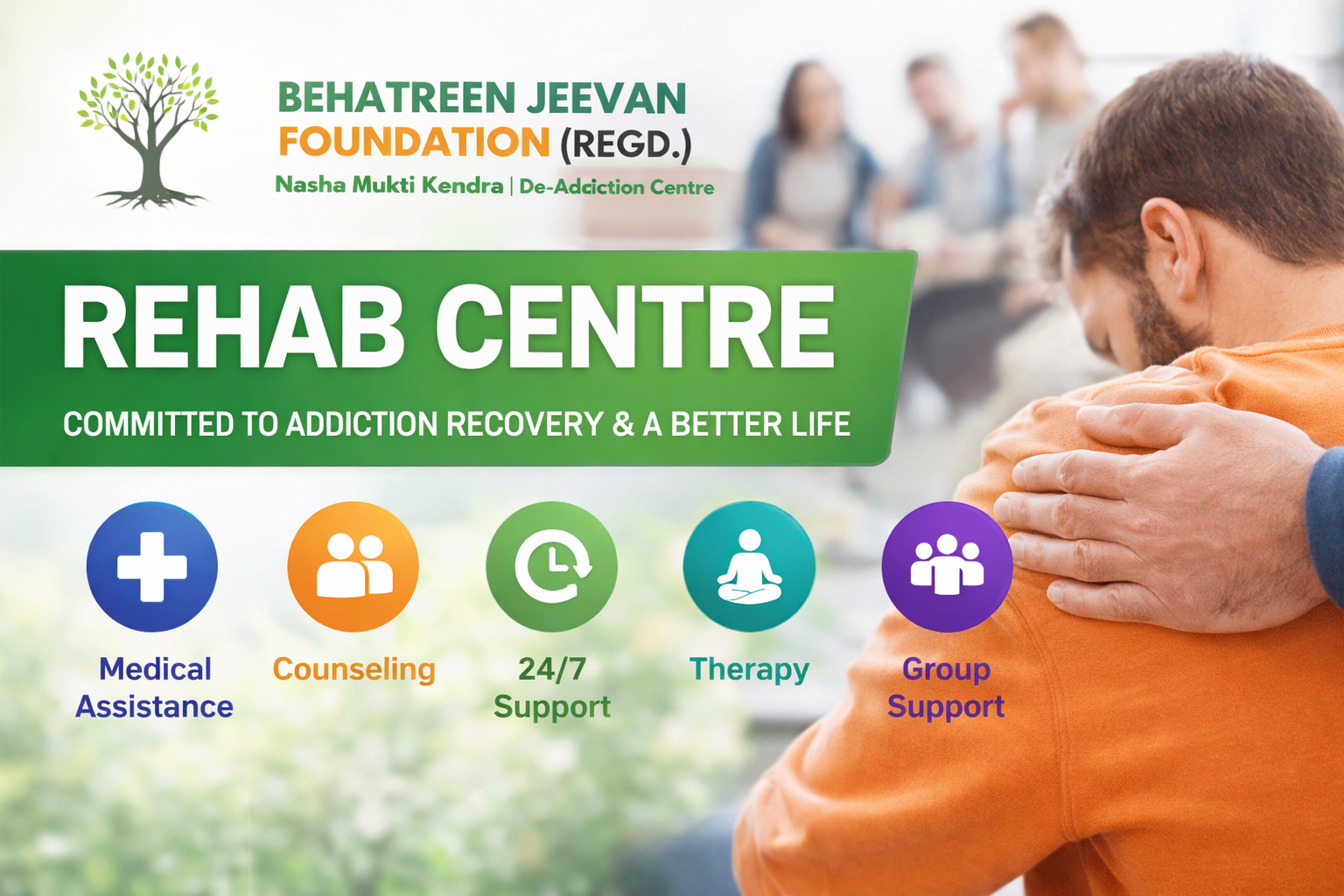
Does Recovery Take at a Nasha Mukti Kendra?
Addiction recovery is a journey, not a single event. Many people wonder how long it takes to fully recover at a Nasha Mukti Kendra, especially when searching for a trusted facility or a Nasha Mukti Kendra near me. The truth is, recovery timelines vary widely depending on the type of addiction, the severity of substance use, and the individual’s physical and mental health. Understanding the factors that influence recovery duration can help families and patients set realistic expectations and commit to a successful rehabilitation process.
Factors That Affect Recovery Duration
Recovery is influenced by multiple factors, and no two patients progress at the same pace. A professional drug rehabilitation center considers these factors when designing treatment plans:
- Type of Substance: Alcohol, opioids, nicotine, and other drugs affect the body differently. For example, alcohol withdrawal can be physically dangerous and may require longer detox, whereas recovery from prescription drugs may involve fewer physical complications but longer psychological rehabilitation.
- Duration of Addiction: Patients with long-term substance abuse often experience deeper physical dependence and emotional conditioning, requiring extended therapy.
- Physical Health: Chronic health conditions or malnutrition can slow recovery, as the body needs time to heal and regain strength.
- Mental Health: Co-occurring mental health conditions, such as depression or anxiety, require integrated care, which may lengthen treatment.
- Family and Social Support: A strong support system facilitates faster recovery by providing encouragement and reducing stress.
Typical Phases of Recovery in Nasha Mukti Kendra
A Nasha Mukti Kendra divides recovery into structured phases, each designed to address specific aspects of addiction.
1. Detoxification Phase
The detox phase is the first and most critical stage. During detox, the body eliminates harmful substances, and withdrawal symptoms are managed under medical supervision.
This phase can last from a few days to two weeks, depending on the substance and severity of addiction. A professional alcohol de-addiction program carefully monitors patients to ensure safety during detoxification.
2. Rehabilitation Phase
After detox, patients enter the rehabilitation phase, which focuses on psychological healing and behavioral change.
- Individual Counseling: Helps patients explore personal triggers and develop coping strategies.
- Group Therapy: Encourages interaction with peers facing similar challenges, fostering empathy and accountability.
- Life Skills Training: Prepares patients for real-life situations by teaching stress management, communication, and problem-solving skills.
The rehabilitation phase often lasts from 30 days to several months. Patients with severe addiction or dual diagnoses may require longer stays to achieve stability.
3. Aftercare and Relapse Prevention
Recovery continues even after leaving the facility. Nasha Mukti Kendras emphasize relapse prevention through follow-up counseling, support groups, and mentorship programs.
Aftercare programs may extend for six months to a year or more, depending on the patient’s needs. These services ensure that individuals remain sober, adapt to their environment, and continue practicing healthy habits.
Average Recovery Timelines
While recovery is highly individualized, most patients follow a general timeline:
- Short-term Programs (1 month): Suitable for mild addiction or initial intervention. Patients complete detox and basic rehabilitation.
- Medium-term Programs (3 months): Ideal for moderate addiction. This timeline allows for structured therapy, skill-building, and emotional healing.
- Long-term Programs (6-12 months): Recommended for severe addiction, co-occurring disorders, or long-term substance abuse. Extended programs provide intensive therapy, life skills training, and comprehensive aftercare planning.
It’s important to note that these timelines are flexible and adapted based on individual progress.
Role of Personalized Treatment in Recovery Duration
The duration of recovery is greatly influenced by the personalization of treatment. A rehabilitation services program that evaluates a patient’s specific needs can accelerate progress.
- Customized Therapy: Addresses personal triggers and emotional challenges effectively.
- Targeted Medical Care: Manages withdrawal symptoms and any co-occurring physical conditions.
- Holistic Approach: Incorporates yoga, meditation, and recreational therapy to support mental and physical well-being.
By tailoring the program to the individual, a Nasha Mukti Kendra ensures that recovery is safe, effective, and sustainable.
Why Professional Nasha Mukti Kendra is Important
Attempting recovery without professional guidance can be risky. Unsupervised detox can lead to severe withdrawal complications, and the absence of structured therapy increases the likelihood of relapse.
A certified addiction treatment facility provides:
- Safe detox under medical supervision
- Structured rehabilitation programs
- Experienced counselors and therapists
- Holistic therapies to support overall well-being
This professional support allows patients to recover more efficiently and reduces the chances of setbacks.
Signs of Progress During Recovery
While recovery timelines vary, there are common signs that patients are making progress:
- Reduced cravings and better control over impulses
- Improved physical health, energy levels, and sleep patterns
- Enhanced emotional stability and resilience
- Rebuilding relationships with family and friends
- Active participation in therapy and life skills sessions
Recognizing these milestones helps patients and families remain motivated and committed to the recovery journey.
Importance of Commitment and Patience
Recovery is not instantaneous, and impatience can lead to frustration or relapse. Consistency, active participation in therapy, and adherence to aftercare programs are crucial for long-term success.
Patients who understand that recovery is a gradual process tend to achieve better outcomes. Searching for Best Nasha Mukti Kendra should be accompanied by realistic expectations about the time and effort required to overcome addiction.
Conclusion
The duration of recovery at a Nasha Mukti Kendra varies depending on the type and severity of addiction, physical and mental health, and individual commitment. From medically supervised detox to personalized rehabilitation, therapy, and aftercare, each phase is designed to support safe and effective recovery.
While short-term programs may last a month, medium-term recovery can take three months, and severe cases may require six months or more. By choosing a professional and compassionate Nasha Mukti Kendra near me, patients receive structured care, expert guidance, and continuous support, ensuring they can achieve lasting sobriety and rebuild their lives.
Discover Modern Comfort: A Guide to Apartment Rent in Beirut
Beirut, the lively capital of Lebanon, is a city that blends deep-rooted history with a mo…



Discover Modern Comfort: A Guide to Apartment Rent in Beirut
Beirut, the lively capital of Lebanon, is a city that blends deep-rooted history with …