

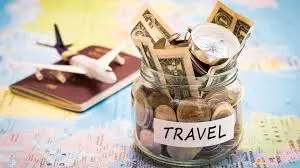
Frequent travel can be exhilarating, offering new experiences, cultures, and memories. However, it often comes with hidden financial pitfalls that can turn dream trips into budget nightmares. Financial planning is crucial for frequent travelers because unplanned expenses—like fluctuating exchange rates, unexpected fees, or medical emergencies—can quickly erode savings. Without smart strategies, you might overspend or face stress that detracts from your adventures. In 2026, with rising travel costs and economic uncertainties, proactive money management ensures you travel more often and sustainably. This guide outlines essential tips to help you navigate finances wisely.
Set a Dedicated Travel Budget
The foundation of savvy travel finances starts with a dedicated travel budget. Treat travel like any major expense by allocating a specific portion of your income monthly. For instance, aim to save 10-20% of your disposable income into a high-yield savings account earmarked solely for trips.
Factor in all costs: flights, accommodations, meals, transportation, activities, and incidentals. Tools like spreadsheets or budgeting apps can help categorize and track projected versus actual spending. Frequent travelers benefit from annual budgets that account for multiple trips, including off-peak seasons for savings. Underestimating daily expenses is common—add a 20% buffer for surprises. A clear budget prevents debt and allows guilt-free enjoyment.
Use Travel-Friendly Credit Cards
Credit cards are indispensable for frequent travelers, offering convenience, security, and rewards. Opt for travel-friendly credit cards that align with your habits. In 2026, top options include the Chase Sapphire Preferred Card, which earns valuable Ultimate Rewards points transferable to airlines and hotels, with no foreign transaction fees. The Capital One Venture Rewards Credit Card provides simple 2x miles on all purchases and flexible redemptions.
These credit cards often include perks like lounge access, travel credits, and purchase protections. Always pay off balances monthly to avoid interest. Screened options ensure reliability—research cards with strong customer reviews and issuer stability for peace of mind.
Avoid Foreign Transaction Fees
One of the quickest ways to waste money abroad is through foreign transaction fees, typically 3% per purchase. Choose credit cards with no foreign fees, like those mentioned earlier. Debit cards from banks like Charles Schwab reimburse ATM fees worldwide.
When paying, always select the local currency to avoid dynamic currency conversion markup. These small fees add up—on a $5,000 trip, 3% equates to $150 lost. Prioritizing no-fee cards saves hundreds annually for frequent flyers.
Track Expenses While Traveling
Real-time tracking prevents overspending. Use apps like TravelSpend or Trabee Pocket, which work offline, handle multiple currencies, and categorize expenses. Log daily costs for meals, transport, and souvenirs.
Set alerts for budget thresholds and review weekly. This habit reveals patterns, like excessive dining out, allowing adjustments. Frequent travelers can compare trips to refine future budgets.
Save on Currency Exchange Costs
Bad exchanges drain funds fast. Avoid airport kiosks and hotel desks with poor rates. Use ATMs with no-fee debit cards for near-market rates.
Apps like Wise or Revolut offer low-fee transfers and cards with excellent rates. Pre-load currencies if rates are favorable. Withdraw larger amounts to minimize fees, but stay safe. These strategies can save 5-10% compared to traditional exchanges.
Leverage Travel Rewards and Points
Maximize credit card rewards by choosing cards with bonus categories for travel, dining, and groceries. Transfer points to partners for higher value redemptions, like flights or hotels.
Sign up for airline and hotel loyalty programs. In 2026, points from cards like Chase or Capital One can cover entire trips. Track expirations and use strategically for peak savings.
Get the Right Travel Insurance
Travel insurance protects against cancellations, medical issues, and lost baggage. For frequent travelers, annual policies from providers like Seven Corners or Allianz are cost-effective, offering multi-trip coverage.
Look for high medical limits and evacuation benefits. In 2026, top plans include Travelex for comprehensive options. Skip if your credit card provides adequate coverage, but verify limits.
Plan for Emergency Expenses
Build an emergency fund covering 3-6 months of expenses, plus a travel-specific buffer. Use credit cards with emergency assistance.
Carry backup payment methods and some cash. Insurance helps, but liquidity is key for unexpected flights or medical bills.
Use Apps to Manage Travel Finances
Apps streamline everything. TravelSpend for budgeting, Wise for exchanges, and Expensify for receipts.
Flight trackers like App in the Air integrate expenses. These tools provide insights, automate conversions, and ensure you stay on track.
Avoid Common Money Mistakes While Traveling
Common pitfalls include exchanging at airports, not tracking spending, skipping insurance, and accepting dynamic conversion.
Overspending on luxuries or ignoring off-peak deals also hurts. Not using rewards or paying bag fees late adds up. Learn from these to travel smarter.
Final Thoughts: Travel Smarter with Better Financial Habits
Adopting these tips— from dedicated budgets to smart credit card use—empowers frequent travelers to explore without financial regret. In 2026, with tools and options abundant, proactive planning means more trips and less worry. Start small, track progress, and watch your adventures multiply sustainably.


Discover Modern Comfort: A Guide to Apartment Rent in Beirut
Beirut, the lively capital of Lebanon, is a city that blends deep-rooted history with a mo…



Discover Modern Comfort: A Guide to Apartment Rent in Beirut
Beirut, the lively capital of Lebanon, is a city that blends deep-rooted history with …