

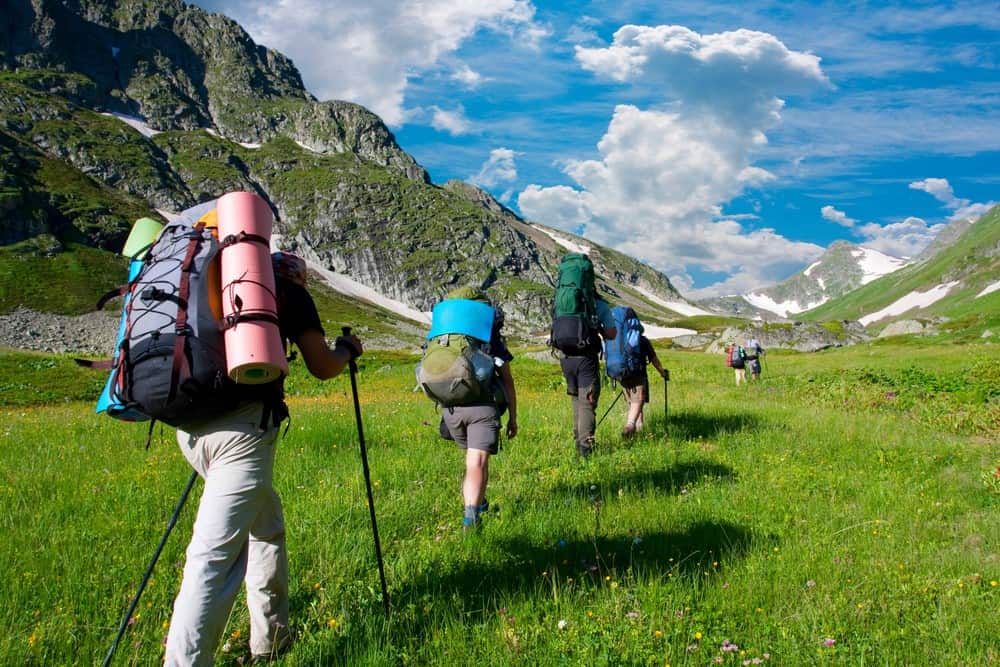
India, with its diverse geography and rich cultural heritage, is a paradise for adventure seekers. Trekking in India is not just about physical endurance—it is a journey into nature, spirituality, and self-discovery. Whether you’re a beginner looking for short hikes or an experienced mountaineer seeking challenging expeditions, India has something for everyone. From the snow-clad Himalayas in the north to the lush Western Ghats in the south, the country offers countless trails for trekkers of all levels.
This article provides a comprehensive guide to trekking in India, covering popular trails, regions, cultural experiences, travel tips, and the best time to embark on your adventure.
Why Choose Trekking in India?
- Diverse Landscapes: Snow peaks, deserts, forests, and coastal trails.
- Cultural Immersion: Trekking routes often pass through villages rich in tradition.
- Spiritual Journeys: Many treks lead to sacred temples, monasteries, and pilgrimage sites.
- Adventure Options: From easy weekend hikes to high-altitude expeditions.
- Affordable: Compared to global trekking destinations, India offers budget-friendly options.
Popular Trekking Regions in India
1. The Himalayas
The Himalayas are the crown jewel of trekking in India, offering trails that range from easy to extremely challenging.
- Uttarakhand: Valley of Flowers, Roopkund Trek, Kedarkantha Trek.
- Himachal Pradesh: Hampta Pass, Triund Trek, Pin Parvati Pass.
- Jammu & Kashmir: Great Lakes Trek, Chadar Trek (on frozen Zanskar River).
- Sikkim: Goecha La Trek, Dzongri Trek.
- Arunachal Pradesh: Tawang Trek, Bailey Trail.
2. The Western Ghats
Stretching across Maharashtra, Goa, Karnataka, and Kerala, the Western Ghats offer lush greenery, waterfalls, and biodiversity.
- Maharashtra: Rajmachi Trek, Harishchandragad, Lohagad Fort.
- Karnataka: Kudremukh Trek, Mullayanagiri Trek.
- Kerala: Chembra Peak, Agasthyakoodam Trek.
3. The Eastern Ghats
Less explored but equally captivating, the Eastern Ghats offer offbeat trekking experiences.
- Odisha: Mahendragiri Trek.
- Andhra Pradesh: Araku Valley Trek.
- Tamil Nadu: Yelagiri Hills, Kolli Hills.
4. Desert and Coastal Treks
- Rajasthan: Camel treks in Thar Desert.
- Goa: Dudhsagar Waterfall Trek.
- Andaman & Nicobar Islands: Coastal treks through tropical forests.
Famous Treks in India
1. Valley of Flowers, Uttarakhand
- Difficulty: Easy to moderate.
- Highlights: UNESCO World Heritage Site, blooming meadows, rare flora.
- Best Time: July–September.
2. Roopkund Trek, Uttarakhand
- Difficulty: Moderate to challenging.
- Highlights: Mysterious “Skeleton Lake,” snow trails.
- Best Time: May–June, September–October.
3. Hampta Pass, Himachal Pradesh
- Difficulty: Moderate.
- Highlights: Contrast between lush Kullu Valley and barren Spiti Valley.
- Best Time: June–September.
4. Chadar Trek, Ladakh
- Difficulty: Challenging.
- Highlights: Trekking on frozen Zanskar River.
- Best Time: January–February.
5. Goecha La Trek, Sikkim
- Difficulty: Moderate to challenging.
- Highlights: Stunning views of Kanchenjunga.
- Best Time: April–June, September–November.
6. Kudremukh Trek, Karnataka
- Difficulty: Moderate.
- Highlights: Rolling hills resembling a horse’s face, lush forests.
- Best Time: October–February.
7. Rajmachi Trek, Maharashtra
- Difficulty: Easy.
- Highlights: Fort ruins, monsoon greenery.
- Best Time: June–September.
Cultural Experiences During Trekking in India
- Village Homestays: Experience local hospitality and cuisine.
- Festivals: Many treks coincide with regional festivals like Losar in Ladakh or Baisakhi in Himachal.
- Spiritual Sites: Temples, monasteries, and shrines along trekking routes.
- Local Cuisine: Momos in Sikkim, thukpa in Ladakh, millet-based dishes in the Western Ghats.
Best Time for Trekking in India
- Summer (April–June): Ideal for Himalayan treks like Roopkund and Goecha La.
- Monsoon (July–September): Perfect for Western Ghats treks like Rajmachi and Kudremukh.
- Autumn (September–November): Clear skies, great for high-altitude treks.
- Winter (December–February): Snow treks like Kedarkantha and Chadar.
Travel Tips for Trekking in India
- Permits: Required for certain treks (e.g., Sikkim, Ladakh).
- Fitness: Prepare with cardio and strength training.
- Gear: Invest in good trekking shoes, backpacks, and jackets.
- Safety: Acclimatize properly at high altitudes to avoid AMS.
- Guides: Hire local guides for authentic experiences and safety.
Benefits of Trekking in India
- Adventure: Thrilling trails across diverse terrains.
- Nature: Close encounters with flora and fauna.
- Culture: Interaction with local communities.
- Spirituality: Many treks lead to sacred sites.
- Self-Discovery: Trekking challenges both body and mind.
Conclusion
India is not just a trekking destination—it is a journey into diverse landscapes, cultures, and spiritual experiences. Exploring the top trails for trekking in India such as Valley of Flowers, Hampta Pass, Chadar Trek, and Kudremukh ensures a blend of adventure and cultural immersion. Whether you are a beginner or an experienced trekker, India offers trails that promise unforgettable memories.
From the grandeur of the Himalayas to the lush greenery of the Western Ghats, from the deserts of Rajasthan to the coastal beauty of Goa, trekking in India is a transformative experience.
Discover Modern Comfort: A Guide to Apartment Rent in Beirut
Beirut, the lively capital of Lebanon, is a city that blends deep-rooted history with a mo…



Discover Modern Comfort: A Guide to Apartment Rent in Beirut
Beirut, the lively capital of Lebanon, is a city that blends deep-rooted history with …