

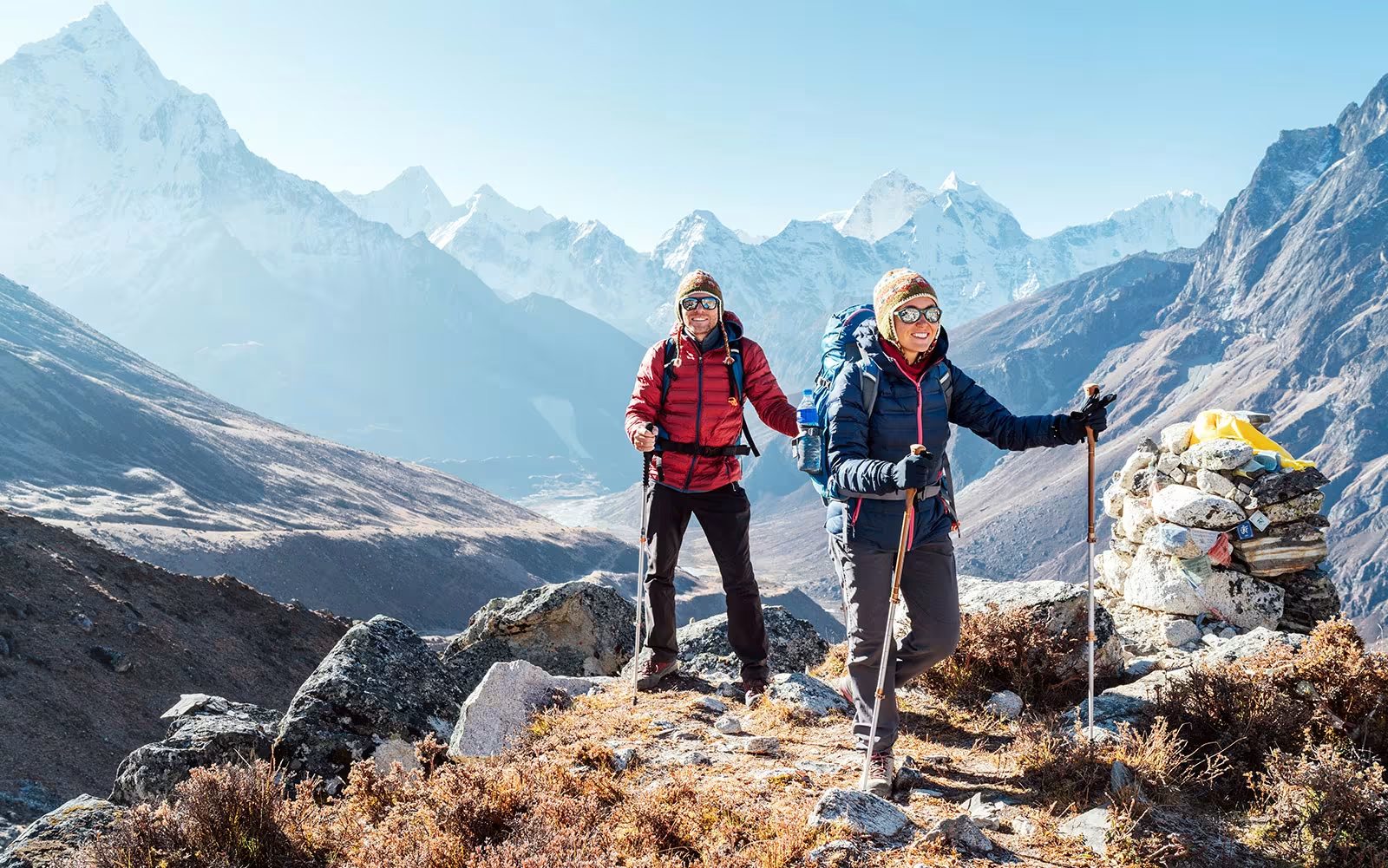
Uttarakhand, nestled in the lap of the Himalayas, is a paradise for trekkers. Trekking in Uttarakhand is not just about adventure—it is also a spiritual journey, as many trails lead to revered temples like Kedarnath, Badrinath, Gangotri, and Yamunotri.
With nearly 86% of its terrain mountainous and 65% forested, the state is blessed with snow-clad peaks, alpine meadows, glacial rivers, and sacred shrines. This guide explores the best treks in Uttarakhand, itineraries, cultural experiences, travel tips, and the ideal time to visit.
Why Choose Trekking in Uttarakhand?
- Variety of Trails: Easy, moderate, and challenging treks.
- Spiritual Significance: Many routes are linked to Hindu mythology.
- Adventure & Nature: Snow peaks, alpine lakes, and rhododendron forests.
- Accessibility: Well-connected by road and rail from Delhi and other cities.
- Affordable Options: Budget-friendly compared to international trekking destinations.
Famous Treks in Uttarakhand
1. Kedarkantha Trek
- Difficulty: Easy to moderate.
- Highlights: Snow-covered peaks, pine forests, starry night camps.
- Best Time: December–April.
- Why Visit: Perfect for beginners and winter trekking enthusiasts.
2. Valley of Flowers Trek
- Difficulty: Easy to moderate.
- Highlights: UNESCO World Heritage Site, blooming meadows, rare flora.
- Best Time: July–September.
- Why Visit: A paradise for botanists and nature lovers.
3. Roopkund Trek (Skeleton Lake)
- Difficulty: Moderate to challenging.
- Highlights: Mysterious lake with human skeletons, snow trails.
- Best Time: May–June, September–October.
- Why Visit: Adventure mixed with history and mystery.
4. Bali Pass Trek
- Difficulty: Challenging.
- Highlights: Connects Yamunotri and Har Ki Dun valleys, panoramic views.
- Best Time: May–June, September–October.
- Why Visit: For experienced trekkers seeking thrill and altitude.
5. Har Ki Dun Trek
- Difficulty: Moderate.
- Highlights: Valley of Gods, alpine meadows, traditional villages.
- Best Time: April–June, September–November.
- Why Visit: A cultural trek with mythological significance.
6. Kuari Pass Trek
- Difficulty: Moderate.
- Highlights: Views of Nanda Devi, Dronagiri, and Kamet peaks.
- Best Time: April–June, September–November.
- Why Visit: Known as the “Curzon Trail,” ideal for panoramic Himalayan views.
7. Pindari Glacier Trek
- Difficulty: Easy to moderate.
- Highlights: Glacier views, Kumaon Himalayas.
- Best Time: April–June, September–October.
- Why Visit: Family-friendly trek with scenic landscapes.
8. Dodital Trek
- Difficulty: Easy to moderate.
- Highlights: Crystal-clear lake, trout fishing, mythological links to Lord Ganesha.
- Best Time: April–June, September–October.
- Why Visit: A peaceful trek for beginners.
9. Satopanth Lake Trek
- Difficulty: Moderate to challenging.
- Highlights: Sacred triangular lake near Badrinath.
- Best Time: June–September.
- Why Visit: Spiritual trek with mythological importance.
10. Nag Tibba Trek
- Difficulty: Easy.
- Highlights: Short weekend trek near Mussoorie.
- Best Time: Year-round.
- Why Visit: Perfect for beginners and families.
Suggested Itineraries
7-Day Uttarakhand Trekking Itinerary
- Day 1: Arrival in Dehradun, drive to Sankri.
- Day 2–3: Kedarkantha Trek.
- Day 4–5: Har Ki Dun Valley exploration.
- Day 6: Return to Dehradun.
- Day 7: Departure.
10-Day Extended Trekking Itinerary
- Dehradun → Sankri → Kedarkantha → Har Ki Dun → Bali Pass → Yamunotri → Return.
Cultural Experiences During Trekking in Uttarakhand
- Village Homestays: Experience Garhwali and Kumaoni hospitality.
- Festivals: Nanda Devi Raj Jat Yatra, local fairs.
- Cuisine: Mandua roti, bhatt ki churkani, chainsoo.
- Spiritual Sites: Temples and shrines along trekking routes.
Best Time for Trekking in Uttarakhand
- Summer (April–June): Ideal for high-altitude treks like Roopkund and Kuari Pass.
- Monsoon (July–September): Perfect for Valley of Flowers.
- Autumn (September–November): Clear skies, great for panoramic views.
- Winter (December–February): Snow treks like Kedarkantha and Nag Tibba.
Travel Tips
- Permits: Required for certain treks (e.g., Roopkund, Valley of Flowers).
- Fitness: Prepare with cardio and strength training.
- Gear: Trekking shoes, jackets, backpacks, sleeping bags.
- Safety: Acclimatize properly to avoid altitude sickness.
- Guides: Hire certified guides for safety and local insights.
Benefits of Trekking in Uttarakhand
- Adventure: Thrilling trails across diverse terrains.
- Nature: Close encounters with flora and fauna.
- Culture: Interaction with local communities.
- Spirituality: Many treks lead to sacred sites.
- Self-Discovery: Trekking challenges both body and mind.
Conclusion
Uttarakhand is not just a trekking destination—it is a journey into diverse landscapes, cultures, and spirituality. Exploring the top trails for trekking in Uttarakhand such as Kedarkantha, Valley of Flowers, Roopkund, and Bali Pass ensures a blend of adventure and cultural immersion. Whether you are a beginner or an experienced trekker, Uttarakhand offers trails that promise unforgettable memories.
From the grandeur of Nanda Devi to the mystery of Roopkund, from the blooms of Valley of Flowers to the snow of Kedarkantha, trekking in Uttarakhand is a transformative experience.
Discover Modern Comfort: A Guide to Apartment Rent in Beirut
Beirut, the lively capital of Lebanon, is a city that blends deep-rooted history with a mo…



Discover Modern Comfort: A Guide to Apartment Rent in Beirut
Beirut, the lively capital of Lebanon, is a city that blends deep-rooted history with …