

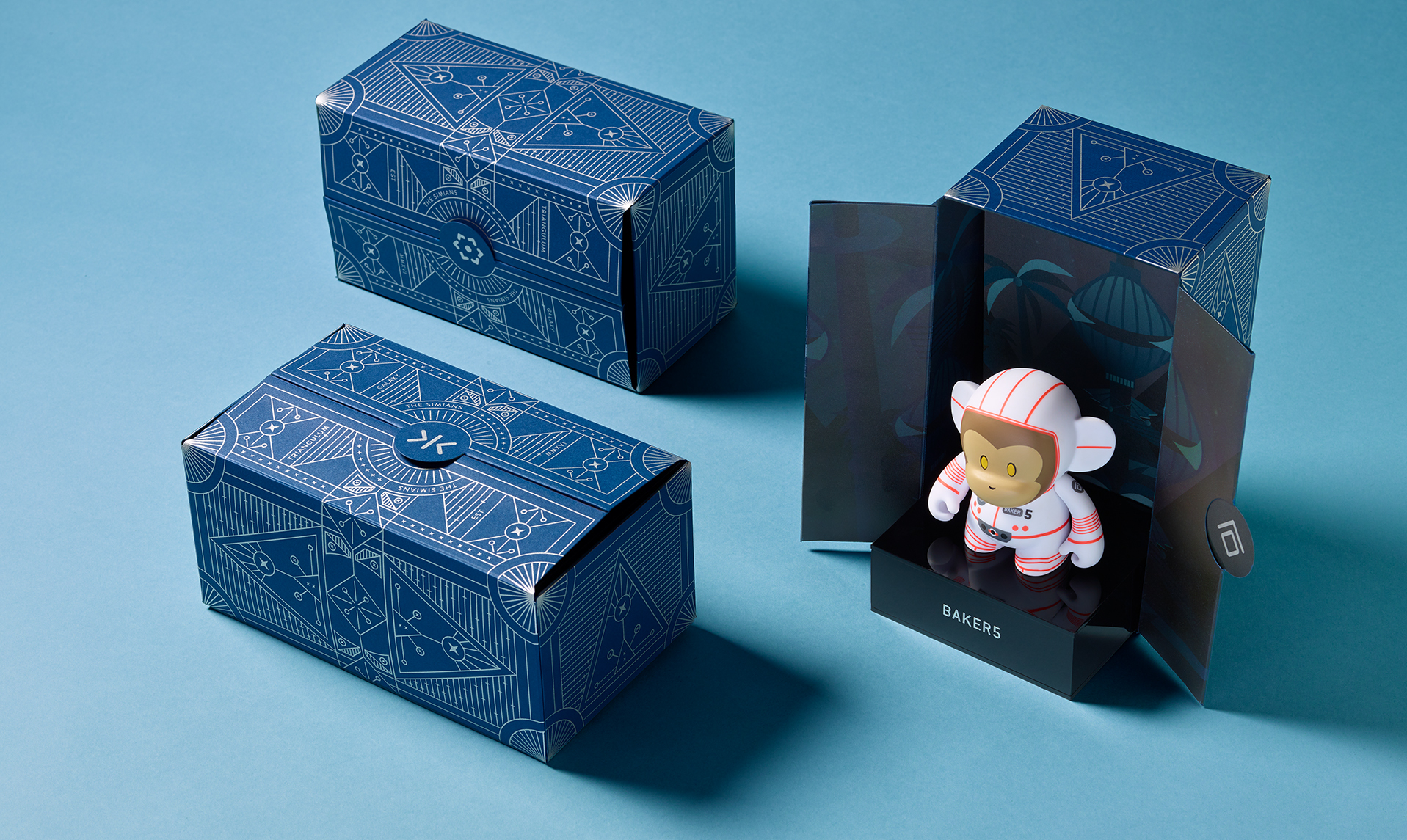
Children see colorful boxes on store shelves. Their eyes lock onto bright designs instantly. Parents often struggle with shopping trips because kids want everything they see. Package design plays a huge role in what children pick. Brands know this fact very well. They create boxes that speak directly to young minds. Understanding how packaging works helps parents make better shopping decisions. It also shows why certain products fly off shelves while others sit there.
Why Do Bright Colors Grab Kids Attention So Quickly?
Young shoppers notice vivid shades before anything else in stores. Red and yellow packages stand out most on any shelf. Blue and green create feelings of fun and adventure too. Children connect these colors with toys and happiness naturally. Brands use this knowledge when designing their product boxes. A dull brown box gets ignored while neon packaging draws kids over immediately. Colors trigger emotional responses that adults often miss completely. This explains why candy aisles look like rainbow explosions. Parents should know that color psychology drives many purchasing requests from children.
What Makes Cartoon Characters So Powerful On Product Boxes?
Kids recognize favorite characters from shows and movies everywhere they go. Seeing a beloved hero on packaging creates instant trust and desire. Children believe products with these faces will make them happy too. Companies pay millions to license popular characters for their boxes. A simple cereal becomes a must-have breakfast when it features superheroes. Children often care more about packaging than actual product quality inside. This marketing strategy works because kids form strong bonds with characters. Parents face constant requests because beloved faces appear on countless items.
How Do Interactive Package Designs Change Shopping Behavior?
Boxes that offer games or puzzles keep children engaged longer. Kids love packages they can touch and explore while walking through stores. Windows showing products inside let children see what they might get. Some boxes promise collectible items or series to build over time. This strategy makes children want to return and buy more versions. Interactive elements turn simple shopping into exciting treasure hunts for young buyers. Upacked understands that engagement drives sales in children’s markets effectively. Parents notice their kids spending more time examining these clever designs.
Why Do Size And Shape Matter To Young Shoppers?
Unusual box shapes catch eyes faster than standard rectangular boxes do. Children perceive bigger packages as better value even without checking contents. A tall slim box seems more exciting than a short wide one. Unique shapes suggest something special waits inside for buyers to discover. Kids often judge products by how impressive packaging looks on shelves. Small hands prefer boxes they can hold and carry around easily. Manufacturers design custom toy boxes with child ergonomics in mind always. Shape psychology influences purchasing decisions more than most parents realize today.
What Role Do Words And Fonts Play In Attracting Children?
Simple language on packages helps kids understand what they might buy. Big bold letters are easier for young readers to process quickly. Words like new or fun or yummy trigger excitement immediately. Fonts that look playful or bouncy appeal more than serious business styles. Children connect rounded friendly letters with positive experiences and happiness. Technical terms or small print mean nothing to most young shoppers. Brands keep text minimal and exciting to maintain interest levels high. Reading ability varies widely so visual communication often matters most here.
How Does Package Texture Influence Touch-Based Decisions?
Smooth glossy boxes feel premium and special to small exploring fingers. Rough or bumpy surfaces create curiosity about what makes them different. Textured packaging stands out when children run hands across multiple products. Soft-touch coatings make boxes feel more valuable and worth buying. Kids remember tactile experiences longer than just visual ones alone. Brands use custom retail boxes with varied finishes to trigger sensory responses. Parents watch children gravitate toward packages they can physically interact with. Touch creates memory connections that influence future shopping trips repeatedly.
Why Do Promises On Packaging Drive Kids Purchasing Requests?
Boxes that show fun activities or games inside make children imagine playing. Phrases like collect them all create urgency and ongoing desire. Pictures of happy kids using products suggest buyers will feel that way too. Prizes or surprises mentioned on boxes become irresistible to young minds. Children believe packaging claims more readily than adults do naturally. Free gifts or bonus items turn ordinary products into exciting opportunities. Marketing teams in the USA craft messages specifically targeting developmental psychology. Parents hear constant pleas because packages make powerful promises to impressionable minds.
How Can Parents Navigate Package-Driven Shopping Challenges?
Understanding design tricks helps adults make smarter choices with children present. Discussing why packages look certain ways teaches critical thinking skills early. Setting clear rules before entering stores reduces impulse buying significantly. Shopping without kids occasionally lets parents choose based on actual value. Explaining that boxes sometimes mislead helps children develop consumer awareness gradually. Comparing similar products together shows packaging differences versus real quality. Teaching kids to look beyond boxes creates lifelong smart shopping habits. Parents who understand marketing tactics can guide children through commercial environments successfully.
Conclusion
Children respond to packaging in predictable ways that brands exploit constantly. Colors and characters trigger emotional responses before logical thinking begins. Interactive designs and unusual shapes make products seem more desirable quickly. Words and textures add layers of appeal beyond just visual attraction. Promises on boxes create expectations that drive purchasing requests repeatedly. Parents who recognize these strategies can better manage shopping experiences. Teaching children about marketing helps them become smarter consumers over time. Awareness changes how families approach stores and product selections together.
Discover Modern Comfort: A Guide to Apartment Rent in Beirut
Beirut, the lively capital of Lebanon, is a city that blends deep-rooted history with a mo…



Discover Modern Comfort: A Guide to Apartment Rent in Beirut
Beirut, the lively capital of Lebanon, is a city that blends deep-rooted history with …