

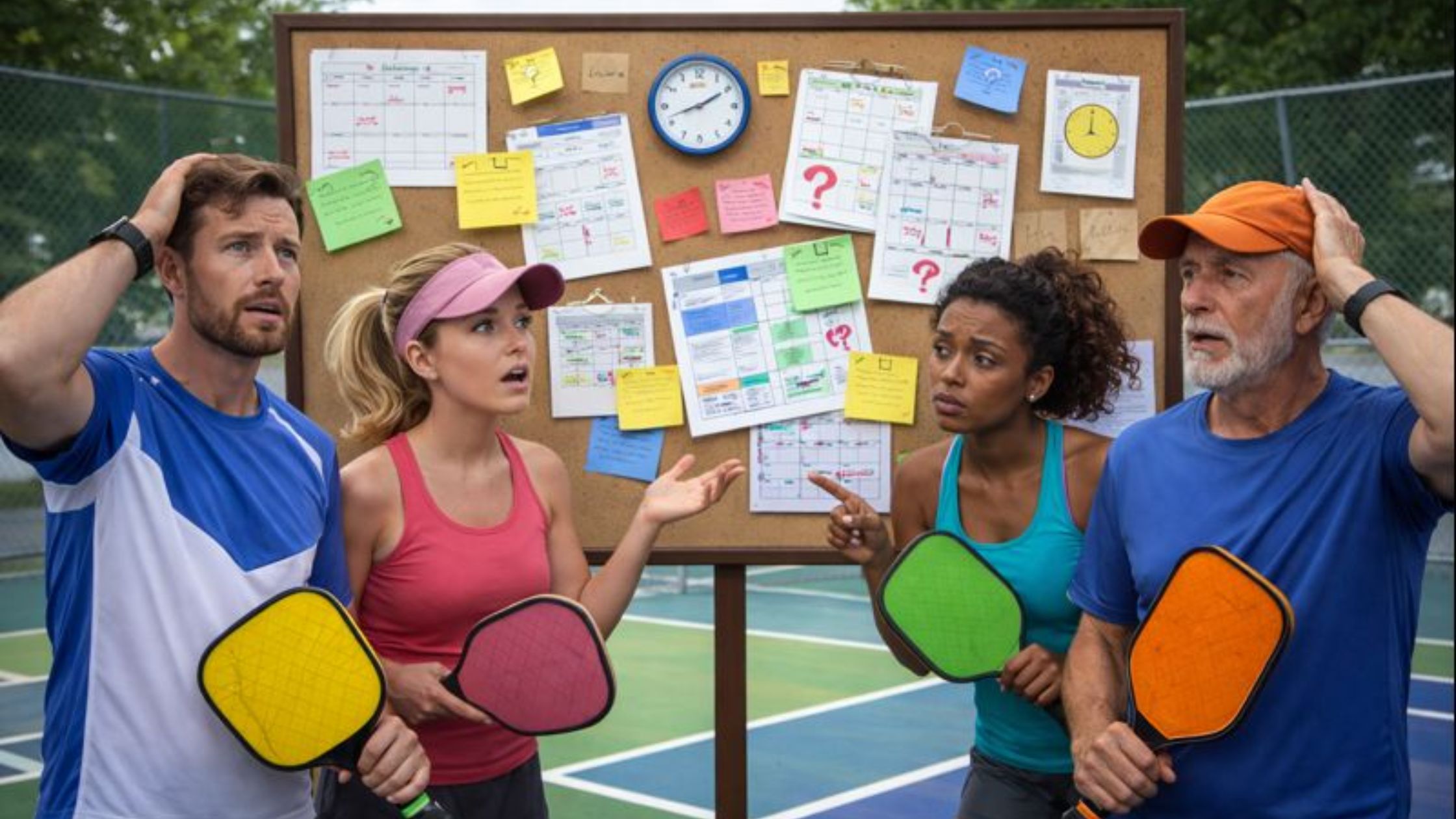
“This article explains common pickleball scheduling challenges and practical ways to avoid them. It covers court conflicts skill level mismatches indoor and outdoor scheduling issues and simple solutions that help players and facilities create smoother fair and more enjoyable play experiences.”
Pickleball has moved far beyond a casual pastime and has become part of daily life for many players. As interest grows, so do the challenges tied to pickleball scheduling. Courts that once felt easy to access are now busy throughout the day. When scheduling breaks down, even enthusiastic players can feel discouraged. From crowded courts to unclear play times, poor organization affects everyone involved. Understanding where scheduling problems begin and how to address them helps players and facilities create smoother, more enjoyable experiences, especially in high demand regions such as pickleball Los Angeles.
What Makes Pickleball Scheduling Difficult Today
Pickleball has developed more quickly than most communities imagined. New players join frequently, while veterans play many times a week. Unfortunately, courts have not grown as fast. This imbalance constantly limits playing time.
Many pickleball courts also serve more than one purpose. Fitness, tennis, and recreation often coexist. When priorities are unclear, scheduling various activities can be tough.
Another issue comes from the mix of casual and organised play. Some players arrive expecting open courts, while others assume a structured session is underway. Without clear scheduling systems, misunderstandings become common and tensions can rise quickly.
Court Conflicts and Overlapping Play Times
Court conflicts are among the most frustrating scheduling issues players face. These problems usually occur when open play overlaps with reserved sessions and boundaries are unclear. Players may wait courtside only to learn that a session is already booked.
In many locations, schedules are posted inconsistently or changed without notice. Handwritten signs or verbal updates leave too much room for error. Players who arrive early may still lose time trying to confirm court availability.
When play times overlap, courts are often underused. Time is spent discussing rules rather than playing. Clear scheduling removes uncertainty and helps everyone understand when and how courts can be used.
Skill Level Imbalance Caused by Poor Scheduling
Scheduling issues cause skill disparities on the court. Beginners may play with experts without warning. Although thoughtful, these scenarios can limit enjoyment for everyone.
While expert players struggle to maintain game rhythm, new players may feel pushed or unsafe. Mismatches can frustrate and reduce engagement over time. Skilled scheduling fixes this. Games feel more balanced with level-specific times. Players can improve their abilities and enjoy fair competition.
Indoor and Outdoor Scheduling Challenges

Indoor Scheduling Constraints
Indoor pickleball Los Angeles locations attract steady demand throughout the year. Controlled temperatures and consistent conditions make indoor courts highly desirable. As a result, available time slots fill quickly.
Indoor facilities often rely on fixed schedules with little flexibility. Busy players have few options during peak hours. Sessions that start late or last long cause daylong delays.
Because indoor spaces are limited, efficient scheduling becomes essential. Clear time limits and reliable rotation systems help maximise access and reduce wait times.
Outdoor Court Scheduling Issues
Outdoor play is mostly affected by the weather. Extreme heat or rain might cancel sessions without warning. Lighting restricts outdoor court use. Evening play may be limited in residential areas. Sharing courts with other activities complicates scheduling.
Outdoor courts are popular despite these issues. Clear communication and flexible planning reduce interruptions and inform players.
Cancellations and No Shows
Cancellations and no shows create significant scheduling problems. When players fail to cancel early, courts may sit unused while others wait to play. This issue becomes especially frustrating in busy locations.
Unreliable scheduling and missed sessions impair organized play. When courts are vacant owing to no-shows, responsible players may feel discouraged.
Clear cancellation policies boost accountability. Understanding expectations and repercussions helps players express changes early and respect shared court access.
Practical Solutions to Improve Pickleball Scheduling
For organized events and competitive play, scheduling requires even more planning. Tournament formats must balance match flow, rest periods, and fair court rotation. A clear timeline helps prevent player fatigue and keeps events running on schedule. Facilities that host competitions benefit from structured tournament scheduling guidelines that support both performance and player experience.
Structured Scheduling Systems
Structure plays a critical role in effective pickleball scheduling. Clearly defined time blocks help players understand when sessions begin and end. Consistent rotation rules ensure fair access for everyone.
Visible schedules posted on site and online reduce confusion. When rules are applied consistently, players are more likely to respect and cooperate with them.
Digital Booking and Visibility
Digital tools offer practical solutions for managing busy courts. Online booking systems allow players to check availability and reserve time in advance. Automated reminders help reduce missed sessions.
Digital scheduling also benefits facilities. Real time updates make it easier to manage demand and communicate changes quickly. Transparency improves trust between players and organizers.
Conclusion
Schedule issues are very widespread in pickleball. Cancellations, court disputes, uneven skill levels, and communication gaps all limit enjoyment. Pickleball scheduling may be more effective and equitable with organization, clear communication, and accountability. When players and facilities cooperate, courts function efficiently and players enjoy the game.

Discover Modern Comfort: A Guide to Apartment Rent in Beirut
Beirut, the lively capital of Lebanon, is a city that blends deep-rooted history with a mo…



Discover Modern Comfort: A Guide to Apartment Rent in Beirut
Beirut, the lively capital of Lebanon, is a city that blends deep-rooted history with …