

Rising energy bills, unreliable heating systems, and growing concern about carbon emissions are real problems for homeowners today. Many families feel stuck with outdated systems that cost more each year while delivering less comfort. However, there is a proven solution that offers long-term savings and steady warmth. Domestic ground source heat pump installation provides an efficient, low-carbon heating option designed for modern homes. By using stable heat from the ground, this system delivers consistent indoor comfort while lowering running costs. Furthermore, it reduces reliance on fossil fuels, which helps future-proof your property. If you want reliable heating, predictable energy use, and a system built to last, understanding how this technology works is the first step.
Understanding Domestic Ground Source Heat Pump Installation
Domestic ground source heat pump installation involves fitting a system that extracts natural heat stored underground and transfers it into your home. The ground maintains a steady temperature throughout the year, which makes it a reliable heat source.
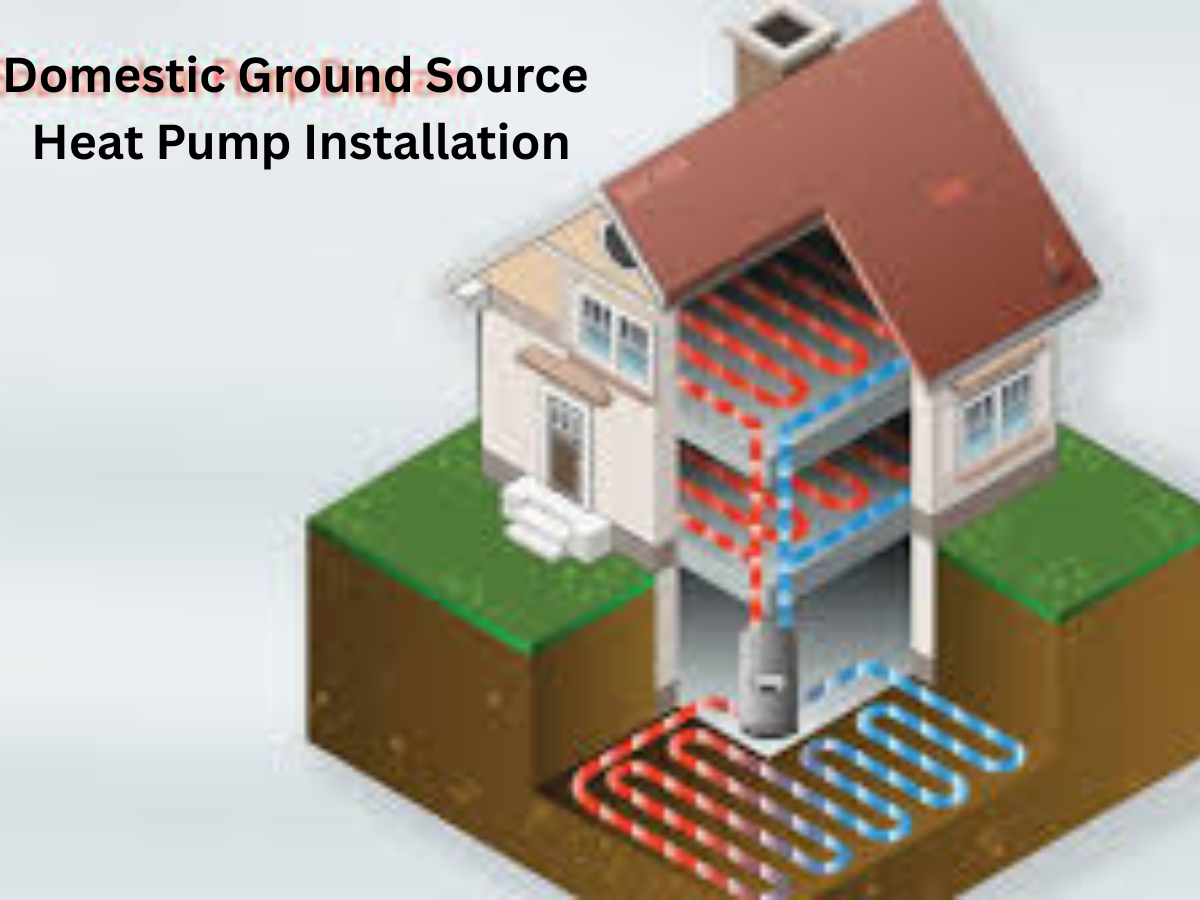
A network of pipes, known as ground loops, is installed in the garden or nearby land. These pipes circulate a fluid that absorbs heat from the ground. The heat pump then increases the temperature and distributes it through radiators or underfloor heating.
Because the system relies on renewable ground energy, it uses far less electricity than traditional heating systems. As a result, homeowners benefit from lower energy bills and reduced carbon output.
How Ground Source Heat Pumps Work in Domestic Properties
Ground source heat pumps operate on a simple but effective principle. They move heat rather than create it. This makes them highly efficient for domestic use.
Ground Loop Systems Explained
The ground loop is buried either horizontally or vertically, depending on available space. Horizontal loops suit larger gardens, while vertical boreholes work well for smaller plots.
The fluid inside the pipes absorbs low-level heat from the ground. Even in cold weather, the ground temperature remains stable, ensuring reliable heat collection.
Heat Transfer Inside the Home
Once collected, the heat passes through a compressor. The temperature increases before being transferred into your home’s heating system. This process allows domestic ground source heat pump installation to deliver steady warmth throughout the year.
Why Homeowners Are Choosing Ground Source Heating
Many homeowners are moving away from gas and oil heating. There are clear reasons for this shift. Ground source heat pumps provide predictable performance and long service life. Furthermore, they offer protection against fluctuating fuel prices. Because the system uses renewable energy, it also supports environmental goals. This makes it a sensible option for homeowners planning long-term upgrades rather than short-term fixes.
Key Benefits of Domestic Ground Source Heat Pump Installation
Domestic ground source heat pump installation offers practical advantages that go beyond energy savings.
Lower Running Costs Over Time
Although installation costs are higher than traditional systems, running costs are significantly lower. Over time, these savings help offset the initial investment.
Reliable Year-Round Heating
Unlike air-based systems, ground temperatures remain consistent. Therefore, your heating system performs reliably in winter and summer.
Reduced Carbon Emissions
Ground source heat pumps produce far fewer emissions compared to gas boilers. This helps reduce your household’s environmental impact while meeting future regulations.
Is Your Home Suitable for a Ground Source Heat Pump?
Not every property is the same, so suitability matters. Homes with access to garden space are ideal. However, vertical boreholes allow domestic ground source heat pump installation even where space is limited. Well-insulated properties perform best. Insulation reduces heat loss, allowing the system to operate efficiently at lower temperatures. If your home already uses underfloor heating or large radiators, compatibility is usually straightforward.
Installation Process Explained Step by Step
Understanding the installation process helps homeowners plan with confidence.
Initial Site Survey and Assessment
A professional survey checks soil type, space availability, and heating demand. This ensures the system is correctly sized for your home.
Ground Loop Installation
The ground loop is installed using excavation or drilling. While this step requires groundwork, disruption is temporary and carefully managed.
System Setup and Testing
Once installed, the heat pump is connected to your heating system. Engineers test performance to ensure safe and efficient operation. Domestic ground source heat pump installation is a structured process designed to minimise inconvenience while delivering long-term results.
Planning Permission and Regulations in the UK
In most cases, ground source heat pumps fall under permitted development rights. However, some properties may need approval. Listed buildings and conservation areas often require additional checks. Therefore, professional guidance is important before installation begins. Certified installers also ensure compliance with UK building regulations. This protects homeowners and ensures system safety.
Maintenance and Lifespan Expectations
Ground source heat pumps are known for durability. With regular servicing, the heat pump unit can last over 20 years. Ground loops often exceed 50 years in lifespan. Annual checks help maintain efficiency and identify minor issues early. Compared to traditional boilers, maintenance requirements are minimal. This reliability makes domestic ground source heat pump installation a strong long-term investment.
Costs and Financial Considerations
Upfront costs depend on property size, ground conditions, and system design. While initial installation is higher than conventional heating, reduced energy bills provide long-term savings. Furthermore, government incentives may be available to support renewable heating systems.
A clear cost breakdown from a trusted installer helps homeowners make informed decisions without unexpected expenses.
Why Professional Installation Matters
Correct design and installation directly affect performance. Experienced installers ensure the system matches your home’s heating needs. They also handle ground works, system setup, and compliance requirements.
Choosing professionals with proven expertise reduces risk and ensures reliable performance for years to come. Domestic ground source heat pump installation is not a DIY project and benefits from skilled handling.
Supporting Sustainable Living at Home
Switching to renewable heating supports wider environmental goals. Ground source systems reduce reliance on fossil fuels while maintaining comfort. Over time, this helps lower national energy demand and household emissions. For homeowners planning sustainable upgrades, this system aligns with modern living standards and future energy policies.
Conclusion: Is a Ground Source Heat Pump Right for You?
Domestic ground source heat pump installation offers dependable heating, long-term savings, and reduced environmental impact. It suits homeowners seeking stability, efficiency, and future-ready solutions. With professional assessment and correct installation, it delivers consistent comfort throughout the year.
Choose domestic ground source heat pump installation with Lewington Heating for efficient, reliable home heating. Our expert team delivers trusted solutions designed to reduce energy costs and support long-term comfort.
Discover Modern Comfort: A Guide to Apartment Rent in Beirut
Beirut, the lively capital of Lebanon, is a city that blends deep-rooted history with a mo…



Discover Modern Comfort: A Guide to Apartment Rent in Beirut
Beirut, the lively capital of Lebanon, is a city that blends deep-rooted history with …