

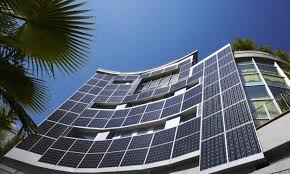
You can turn parts of your building—roofs, façades, windows—into power-generating surfaces without sacrificing design. BIPV solar modules replace conventional building materials with photovoltaic components, so they produce electricity while serving as roof or façade elements, lowering material and mounting costs and blending solar into the architecture.This post will show how BIPV works, where it fits best, and the practical benefits you can expect—energy generation, space efficiency, and improved aesthetics—so you can judge whether it suits your project. Expect clear comparisons with traditional rooftop panels, real-world application examples, and factors to consider when specifying BIPV for performance and safety.
What Are BIPV Solar Modules?
BIPV modules serve as building materials that also generate electricity, replacing conventional elements like roof tiles, curtain walls, or glazing. They combine structural or aesthetic functions with photovoltaic power production and integrate directly into your building envelope.
Definition and Core Principles
BIPV (Building-Integrated Photovoltaics) refers to photovoltaic products designed to take the place of common building components while producing electricity. You install them as part of the roof, façade, canopy, or glazed surfaces rather than mounting panels on top of an existing structure.Core principles include dual functionality and seamless integration. BIPV must meet both electrical performance and building-code requirements for weatherproofing, thermal insulation, fire safety, and load-bearing capacity. You evaluate solar access, orientation, and tilt alongside architectural constraints because the module form factor often dictates installation angle and placement.You also balance energy yield against architectural needs. Efficiency, durability, and appearance influence decisions more than with traditional rack-mounted systems. Designers typically specify BIPV when aesthetics, space constraints, or replacement of building materials make combined functions attractive.
Key Features of BIPV Technology
BIPV modules come in diverse form factors and materials to match building finishes and performance targets. Expect variations in cell type (monocrystalline, polycrystalline, thin-film), encapsulation methods, and glass or composite backings to meet specific fire, acoustic, and thermal requirements.Important technical features include integrated mounting or attachment systems, weather seals, and electrical junctions rated for building use. Thermal behavior and wind or snow load capacity often require structural engineering review. You should confirm acoustic insulation and daylighting properties when modules replace glazing.Aesthetic options matter: color, translucency, and patterning affect appearance and daylighting. You also consider lifecycle costs—higher upfront cost can be offset by avoided roofing or façade materials, and potential incentives for on-site renewable generation.
Types of BIPV Solar Modules
You encounter several common BIPV types: solar roof tiles/shingles, photovoltaic façades (cladding panels), and photovoltaic glazing (solar glass). Roof tiles mimic conventional shingles and replace roofing materials; they work well on sloped roofs where visual integration matters.Façade panels come as rigid modules or composite cladding with integrated PV cells. These suit vertical surfaces and curtain wall replacements, offering robust weather resistance and variety in finishes. They often require specialized attachments for wind loads and thermal expansion.Photovoltaic glazing ranges from semi-transparent thin-film to laminated glass with embedded cells, letting you maintain daylighting while generating power. Use them in windows, skylights, and atria where balancing visible light transmittance and energy production is key.
Applications and Benefits of BIPV Solar Modules
BIPV modules replace or integrate with building elements to generate on-site electricity, reduce thermal loads, and contribute to design goals. You will find practical uses in roofs, façades, glazing, and canopies, and key benefits include energy savings, material consolidation, and possible incentives.
Residential and Commercial Integration
You can install BIPV as roof shingles, curtain walls, window glazing, or canopy systems to serve both structural and electrical functions.
On homes, thin-film or framed BIPV shingles provide weatherproofing while producing electricity; they fit steep-slope roofs and reduce the need for separate racking systems.For commercial buildings, large-area façade panels and ventilated double-skin façades allow significant on-site generation and can be sized to match daytime load profiles such as HVAC and lighting.Operationally, BIPV cuts rooftop clutter and can lower installation labor because modules act as part of the envelope.You should assess service access, wiring runs, and fire code separation during design to avoid maintenance issues.
Energy Efficiency and Sustainability
BIPV reduces building energy demand by offsetting grid consumption and, in some assemblies, improving thermal performance through shading or insulation.Facade-integrated panels can lower solar heat gain in summer; ventilated BIPV façades also create an air cavity that reduces conduction losses.Measure energy benefits by comparing modeled annual generation (kWh/m²) against building consumption profiles.Life-cycle benefits include lower embodied energy when BIPV replaces conventional cladding plus PV, and fewer material layers can reduce construction waste.
Aesthetic and Architectural Value
You can maintain or enhance a building’s appearance using customized colors, textures, and module formats that match architectural intent.
Glass-glass PV glazing and semi-transparent modules allow daylighting while producing power; this works well for atria, façades, and sunshades.Designers gain flexibility: full-height PV curtain walls, patterned arrays, and backlit photovoltaic panels produce distinct visual effects.Specify module aspect ratio, translucency, and framing early to coordinate structural support, sightlines, and interior lighting quality.
Regulatory Standards and Incentives
You must comply with local building codes, fire safety rules, and electrical standards when integrating BIPV into the envelope.
Key standards include structural load checks, wind uplift resistance, glazing performance, and electrical interconnection rules under your jurisdiction’s NEC, Eurocodes, or equivalent.Financial incentives can significantly affect project economics.Look for feed-in tariffs, net metering, tax credits, and building-integrated grants at municipal, state/provincial, or national levels; commercial projects often qualify for accelerated depreciation or green building credits.
Discover Modern Comfort: A Guide to Apartment Rent in Beirut
Beirut, the lively capital of Lebanon, is a city that blends deep-rooted history with a mo…



Discover Modern Comfort: A Guide to Apartment Rent in Beirut
Beirut, the lively capital of Lebanon, is a city that blends deep-rooted history with …