

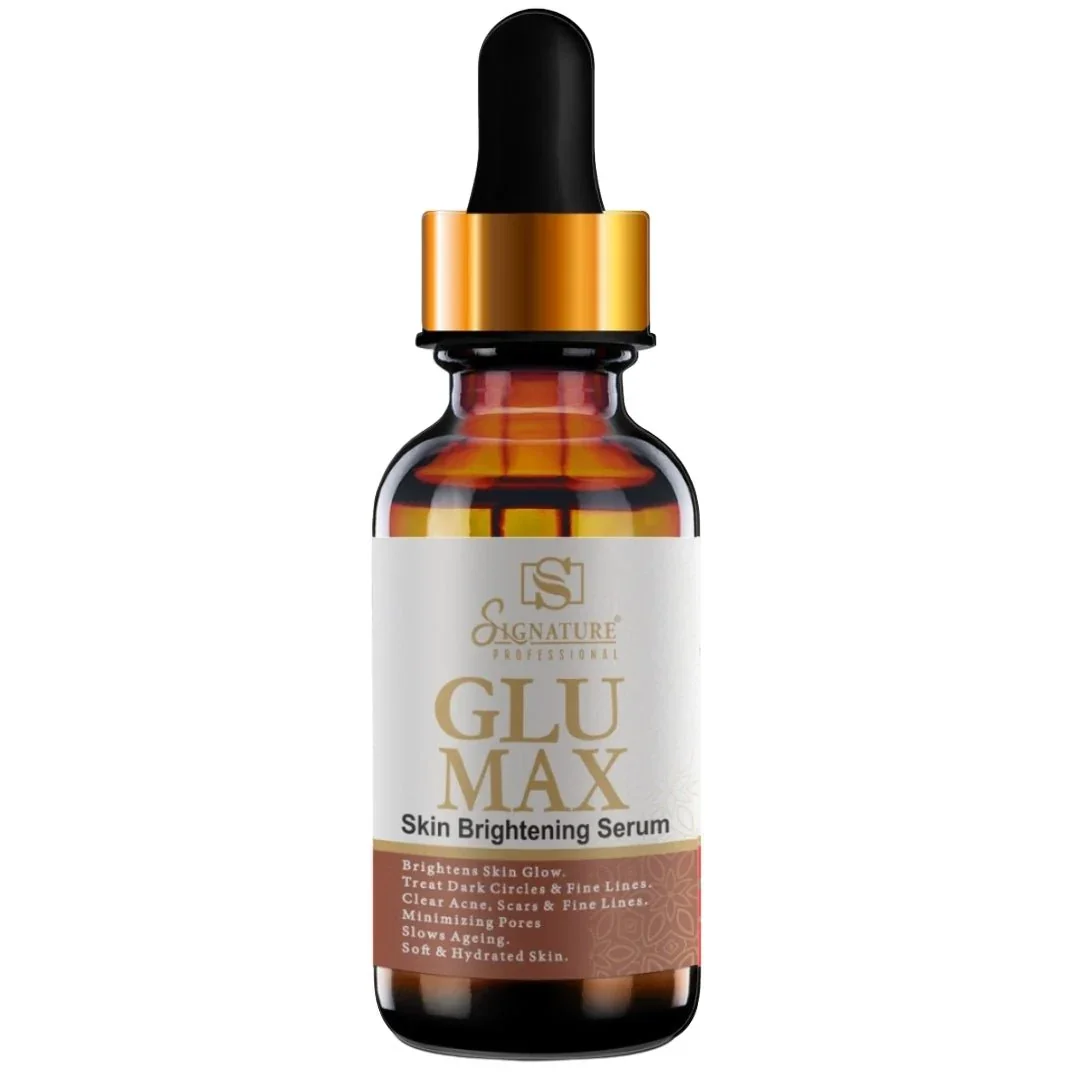
Face serums and creams are both essential components of modern skincare routines, yet many people wonder whether serums truly penetrate deeper into the skin than creams. This question is especially important for those seeking targeted treatment for concerns such as fine lines, pigmentation, acne, or dehydration. Understanding how skincare products interact with the skin can help consumers make informed decisions and use products more effectively.
Understanding Skin Structure
To understand penetration, it is important to know the basic structure of the skin. The outermost layer, known as the stratum corneum, acts as a protective barrier that prevents moisture loss and blocks harmful substances. Beneath it lie deeper layers where collagen production, cell renewal, and hydration balance take place.
For a product to be effective beyond surface hydration, its active ingredients must be able to move past the stratum corneum. The ability to do this depends on several factors, including molecular size, formulation, and ingredient concentration.
What Makes Face Serums Different?
Face serums are formulated with lighter textures and smaller molecular structures compared to creams. They typically contain fewer occlusive ingredients like heavy oils or waxes. Instead, they rely on water-based or lightweight oil formulations that allow active ingredients to absorb quickly into the skin.
Because of this design, serums can carry ingredients such as vitamin C, hyaluronic acid, niacinamide, and peptides deeper into the skin layers. This deeper penetration allows serums to address underlying skin concerns rather than just surface dryness.
How Creams Work on the Skin
Creams and moisturizers are generally thicker in consistency and are designed to work primarily on the skin’s surface. Their main function is to lock in moisture and strengthen the skin barrier. Creams often contain occlusive and emollient ingredients that form a protective layer over the skin, preventing water loss.
While creams can contain beneficial active ingredients, their heavier formulation may limit how deeply those ingredients penetrate. This does not make creams ineffective; rather, it highlights their different role in skincare.
Do Serums Actually Penetrate Deeper?
In most cases, yes face serums do penetrate deeper than creams. Their lightweight formulation and smaller molecules allow them to pass through the stratum corneum more easily. This makes serums particularly effective for delivering targeted treatments, such as brightening, anti-aging, or acne control.
However, penetration also depends on the specific ingredients used. Not all serum ingredients penetrate deeply, and not all cream ingredients stay on the surface. The formulation process and ingredient compatibility play a crucial role in how deeply a product works.
Role of Ingredient Concentration
Another reason serums are often more effective is their higher concentration of active ingredients. While creams focus on hydration and barrier protection, serums are designed to treat specific concerns. This concentrated approach allows serums to produce visible results more efficiently when used consistently.
For example, a vitamin C serum delivers a more potent dose of antioxidants compared to a vitamin C cream, making it more effective for improving skin tone and brightness.
Why Product Layering Matters
The order in which skincare products are applied also affects penetration. Applying a face serum before a cream allows the serum to absorb fully into the skin. Once absorbed, a cream can then be applied to seal in moisture and enhance the serum’s benefits.
This is why dermatologists often recommend using serums first and moisturizers afterward. Brands like Signature Professional design their skincare products to work synergistically when layered correctly.
Are There Exceptions?
While serums generally penetrate deeper, there are exceptions. Some advanced creams are formulated with penetration-enhancing technologies that allow certain ingredients to reach deeper layers. Additionally, factors such as skin type, age, and barrier health can influence how well products absorb.
Damaged or dehydrated skin may absorb products differently, emphasizing the importance of maintaining a healthy skin barrier alongside targeted treatments.
Choosing Between a Serum and a Cream
Rather than choosing one over the other, it is best to understand that serums and creams serve complementary roles. Serums treat, while creams protect. For optimal results, both should be part of a balanced skincare routine.
Using a serum without a cream may lead to moisture loss, while using only a cream may limit the effectiveness of active ingredients. Combining both ensures hydration, protection, and targeted treatment.
Conclusion
Face serums do penetrate deeper than creams in most cases due to their lightweight formulations, smaller molecular structures, and higher concentration of active ingredients. While creams play an essential role in hydration and barrier protection, serums are designed to deliver targeted benefits beneath the skin’s surface. For effective skincare results, using both products together is ideal. Trusted brands like Signature Professional focus on developing formulations that maximize absorption and performance. For individuals seeking advanced skincare solutions, choosing the Best Face Serum in Pakistan can be a valuable step toward achieving healthier, more radiant, and well-nourished skin through consistent care.



Discover Modern Comfort: A Guide to Apartment Rent in Beirut
Beirut, the lively capital of Lebanon, is a city that blends deep-rooted history with a mo…



Discover Modern Comfort: A Guide to Apartment Rent in Beirut
Beirut, the lively capital of Lebanon, is a city that blends deep-rooted history with …