

Oil spills are one of those problems no one plans for, but almost every industrial or commercial workspace eventually faces. Whether it is a leaking machine, a dripping valve, or a small hydraulic line failure, oil on the floor is more than just messy. It is a safety risk, a compliance issue, and a potential cause of downtime. This is where oil absorbent socks quietly do their job.
Oil absorbent socks are simple, flexible tools designed to contain and absorb oil spills before they spread. They are widely used in factories, workshops, warehouses, power plants, marine environments, and even in automotive service centers. Despite their simplicity, they play a critical role in spill management and workplace safety.
This guide breaks down what oil absorbent socks are, how they work, where they are used, and how to choose the right type for your needs. If you are responsible for safety, maintenance, or environmental compliance, this is one product you should fully understand.
What Are Oil Absorbent Socks?
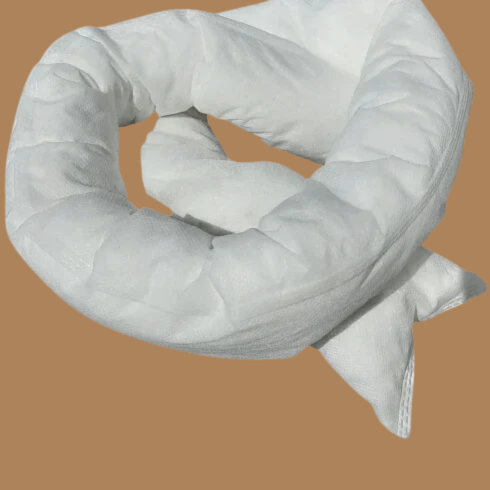
Oil absorbent socks are elongated, tube-shaped absorbents filled with oil-attracting material. Their main purpose is to surround, block, or absorb oil-based spills. Unlike general-purpose absorbents, these socks are specifically engineered to absorb petroleum-based liquids while repelling water.
They are flexible enough to wrap around machinery, line walkways, or form barriers around drains and spill-prone areas. Once placed, they act both as a containment tool and an absorbent solution.
Most oil absorbent socks are made from meltblown polypropylene, a material that selectively absorbs hydrocarbons such as oil, diesel, fuel, and lubricants.
Why Oil Absorbent Socks Are Different From Other Absorbents
Not all absorbents behave the same way. Understanding this difference is important.
General-purpose absorbents soak up almost any liquid, including water, chemicals, and oil. Chemical absorbents are designed for aggressive or hazardous substances. Oil absorbent socks, on the other hand, are selective. They absorb oil but repel water.
This makes them ideal for environments where oil spills may occur in wet conditions, such as outdoor facilities, docks, or areas exposed to rain or washdowns.
Another key difference is their shape. The sock form allows them to act as both a barrier and an absorber, something flat pads or rolls cannot do as effectively.
How Oil Absorbent Socks Work
The working principle is straightforward but effective.
When oil comes into contact with the sock, the absorbent core pulls the oil inside through capillary action. The outer fabric allows oil to pass through while keeping the absorbent material contained. Since the core is hydrophobic, water is rejected and does not reduce absorption capacity.
Because they are flexible, oil absorbent socks can be positioned exactly where oil is leaking or flowing. This prevents the spill from spreading across floors or entering drains.
Common Uses of Oil Absorbent Socks
Oil absorbent socks are used across many industries. Some of the most common applications include:
Industrial Machinery and Equipment
Leaking pumps, compressors, and hydraulic systems are common in industrial environments. Placing oil absorbent socks around the base of equipment helps catch leaks before they spread.
Warehouses and Manufacturing Floors
Oil dripping from forklifts or stored equipment can create slip hazards. Socks can be placed along aisles or under problem areas to control the mess.
Drain and Spill Protection
Oil entering drains can cause environmental damage and regulatory violations. Oil absorbent socks are often used to encircle drains as a preventive measure.
Marine and Offshore Facilities
Because they repel water, oil absorbent socks are effective on docks, ships, and offshore platforms where oil spills occur in wet conditions.
Automotive Workshops and Garages
Engine oil, transmission fluid, and fuel leaks are common. Socks help control spills under vehicles or around service bays.
Key Benefits of Using Oil Absorbent Socks
Oil absorbent socks are popular for a reason. They solve multiple problems at once.
Effective Spill Containment
Their shape allows them to act as a physical barrier, stopping oil from spreading.
Oil-Only Absorption
They absorb hydrocarbons without soaking up water, which means better efficiency and less waste.
Flexible and Easy to Use
They can be bent, curved, or wrapped around obstacles without tools or training.
Improved Workplace Safety
By reducing slippery surfaces, they help lower the risk of slips and falls.
Supports Environmental Compliance
Preventing oil from entering drains or soil helps meet environmental regulations.
Different Types of Oil Absorbent Socks
Not all oil absorbent socks are the same. Choosing the right type depends on your application.
Standard Oil Absorbent Socks
These are used for everyday spill control and light to moderate leaks. They are ideal for general industrial use.
High-Capacity Oil Absorbent Socks
Designed with a larger absorbent core, these socks handle heavier leaks or continuous drips.
UV-Resistant Oil Absorbent Socks
Used outdoors, these socks resist degradation from sunlight and weather exposure.
Mesh-Covered Oil Absorbent Socks
Often used in marine environments, the mesh provides added durability while maintaining absorption.
Sizes and Absorption Capacity
Oil absorbent socks come in various lengths and diameters. Common lengths range from 1 meter to 3 meters, though longer options are available.
Diameter affects absorption capacity. Thicker socks absorb more oil but may take up more space. Thin socks are useful in tight areas or around smaller equipment.
Always check the absorption rating provided by the manufacturer. This tells you how much oil a sock can hold before it needs replacement.
How to Use Oil Absorbent Socks Correctly
Proper use ensures maximum effectiveness.
Start by identifying the source of the leak or the area where oil is likely to spread. Place the oil absorbent socks around this area, forming a closed loop if possible. If oil is flowing in one direction, place the socks perpendicular to the flow to block movement.
Avoid compressing the socks too tightly, as this can reduce absorption efficiency. Once the sock becomes saturated, replace it promptly to prevent leakage.
Used socks should be disposed of according to local regulations, especially if they are saturated with hazardous oils.
Oil Absorbent Socks vs Pads and Rolls
Pads and rolls are useful for wiping or covering flat surfaces, but they do not offer the same containment capability.
Oil absorbent socks excel at perimeter control. They stop oil from spreading and guide it into a contained area. Pads are better for final cleanup after the spill is contained.
In many workplaces, both products are used together as part of a complete spill response kit.
Storage and Shelf Life
Oil absorbent socks should be stored in a clean, dry area away from direct sunlight unless they are UV-resistant. Keeping them sealed until use prevents contamination with dust or moisture.
Most oil absorbent socks have a long shelf life when stored properly. This makes them suitable for emergency spill kits and long-term preparedness.
Environmental Considerations
While oil absorbent socks help protect the environment by preventing contamination, they themselves become waste after use.
Some manufacturers offer recyclable or reusable options, depending on local disposal rules. In certain cases, saturated socks can be incinerated in approved facilities.
Always follow environmental and safety guidelines when disposing of oil-soaked materials.
Choosing the Right Oil Absorbent Socks for Your Facility
When selecting oil absorbent socks, consider the following factors:
Type of oil or fuel present
Frequency and size of leaks
Indoor or outdoor use
Exposure to water or weather
Space constraints around equipment
Facilities with heavy machinery and frequent leaks may benefit from high-capacity socks, while workshops may only need standard options.
Why Oil Absorbent Socks Are a Smart Investment
Oil spills may seem minor at first, but they add up. Cleanup time, safety risks, environmental penalties, and damaged equipment all cost money. Oil absorbent socks offer a low-cost, high-impact solution that reduces these risks.
They are easy to deploy, require no training, and work immediately. For many businesses, they are one of the simplest ways to improve safety and compliance without major changes to operations.
Final Thoughts
Oil absorbent socks are not flashy products, but they are incredibly effective. Their ability to contain and absorb oil while repelling water makes them indispensable in many industries. From small workshops to large industrial plants, they provide a reliable first line of defense against oil spills.
If you deal with oil, fuel, or lubricants in any capacity, having oil absorbent socks on hand is not optional. It is a practical step toward a safer, cleaner, and more compliant workplace.
Used correctly, oil absorbent socks save time, reduce hazards, and protect the environment, all with a simple roll-and-place solution.

Discover Modern Comfort: A Guide to Apartment Rent in Beirut
Beirut, the lively capital of Lebanon, is a city that blends deep-rooted history with a mo…



Discover Modern Comfort: A Guide to Apartment Rent in Beirut
Beirut, the lively capital of Lebanon, is a city that blends deep-rooted history with …