

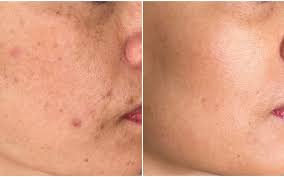
Best Acne Scar Treatment based on scar type and your skin tone, and choosing the right option—like lasers, microneedling, chemical peels, or fillers—usually delivers the fastest, most noticeable improvement. Start by matching treatment to whether your scars are depressed, raised, or pigmented; that choice determines whether resurfacing, collagen-stimulating procedures, or lightening agents will help most.You’ll find clear comparisons of in-office procedures and at-home options so you can weigh downtime, cost, and expected results. Use this guide to narrow choices, prepare questions for a dermatologist, and create a plan that fits your goals and skin safely.
Best Acne Scar Treatment Options
Different scar types respond to different approaches. You’ll often need a mix of daily topical care, targeted in-office procedures, and evidence-backed at-home practices to see meaningful improvement.
Topical Treatments for Acne Scars
Topicals work best for pigment and mild surface texture changes. Use products with proven actives: retinoids (tretinoin, adapalene) to speed cell turnover and stimulate collagen, azelaic acid for post-inflammatory hyperpigmentation, and vitamin C (L‑ascorbic acid) to brighten dark spots.Incorporate chemical exfoliants—low- to mid‑strength glycolic or salicylic acid—to smooth texture and help serums penetrate. Apply sunscreen daily; UV exposure darkens scars and undermines treatment.Consider silicone gel or sheets for raised hypertrophic scars; they reduce height and redness over weeks to months. Start with a single active at a time and allow 6–12 weeks to judge effect. If irritation develops, reduce frequency or switch formulations.
Professional Procedures for Scar Reduction
Match the procedure to your scar type: you’ll need fillers or subcision for deep rolling scars, fractional lasers or microneedling with radiofrequency for boxcar and icepick scars, and ablative lasers (CO2) for severe texture irregularities.Dermatologists often combine treatments—microneedling plus PRP, or fractional laser with topical retinoid—to boost collagen remodeling and speed visible improvement. Expect multiple sessions spaced 4–12 weeks apart.Discuss risks: downtime, pigment changes (higher in darker skin), and infection. Ask your provider about test spots and post-procedure care (sunscreen, gentle cleansers, and topical anti-inflammatories) to reduce complications and optimize results.
At-Home Remedies with Proven Results
Use evidence-backed tools and routines rather than unproven remedies. Over-the-counter retinol serums, azelaic acid gels, and 2%–10% glycolic/salicylic acid products can gradually improve tone and shallow texture.Occasional 20%–30% chemical peels done by a professional or well-guided light peels at home can fade pigmentation safely if you follow instructions and prioritize sun protection.Consider microneedling devices only after researching needle length and sterility; low‑energy home rollers help superficial product absorption but won’t replace in-office treatments. Track progress with photos every 4–8 weeks and consult a dermatologist if scars don’t improve or if you develop new active acne.
Choosing the Most Effective Approach
Match treatment to your scar type, skin tone, medical history, and downtime tolerance. Expect a combination of in-clinic procedures and targeted home care for the best visible improvement.
Factors That Influence Treatment Success
Identify the scar type first: icepick, boxcar, rolling, or hypertrophic/keloid scars respond differently to treatments. For example, deep icepick scars often need punch excision or deep chemical peels, while rolling scars improve with subcision or fractional microneedling.Consider your skin tone and risk of pigmentation. Darker skin has higher risk of post-inflammatory hyperpigmentation after lasers and aggressive peels, so ask for lower-fluence lasers or test spots first. Factor in scar age—newer scars often respond faster to treatments that stimulate collagen.Review your medical history and medications. Blood thinners, isotretinoin use within the past 6–12 months, or active acne can change which procedures are safe. Finally, set realistic expectations: many people need 2–4 sessions and combination therapies for meaningful improvement.
Safety Considerations and Side Effects
Assess procedure-specific risks before you commit. Common side effects include temporary redness, swelling, crusting, and increased pigmentation; more serious risks—scarring, infection, or prolonged pigment changes—occur with deeper lasers, chemical peels, or surgical excisions.Use a board-certified dermatologist or experienced aesthetic specialist for invasive options. Verify sterile technique and ask about pre- and post-procedure care to reduce infection and pigmentation risks. Request photos of similar skin tones and scar types from the provider.Prepare for downtime and cost. Ablative lasers and deep peels require longer healing (1–4 weeks) and stricter sun avoidance. Nonablative options and microneedling have shorter recovery but may need more sessions. Always follow aftercare instructions—sunscreen, gentle cleansers, and avoiding exfoliants help prevent complications.
Discover Modern Comfort: A Guide to Apartment Rent in Beirut
Beirut, the lively capital of Lebanon, is a city that blends deep-rooted history with a mo…



Discover Modern Comfort: A Guide to Apartment Rent in Beirut
Beirut, the lively capital of Lebanon, is a city that blends deep-rooted history with …