
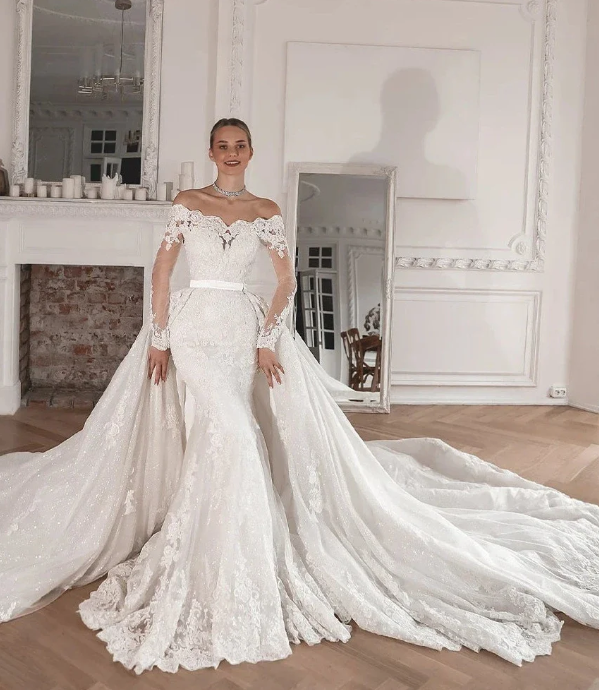



An Arabic bridal dress is not just an outfit—it is a beautiful expression of culture, history, faith, and feminine grace. Across the Arab world, bridal fashion reflects centuries-old traditions mixed with modern design influences. From the luxurious fabrics to the intricate embroidery and symbolic colors, every detail of an
Arabic Bridal Dress tells a story of love, identity, and celebration.
The Cultural Significance of Arabic Bridal Dress
In Arab culture, weddings are grand celebrations that often last several days. The bride is the center of attention, and her dress represents honor, beauty, and family pride. Traditionally, Arabic bridal dresses vary from region to region, but they all share one goal: to make the bride look royal.
In countries like Saudi Arabia, UAE, Morocco, Egypt, and Lebanon, bridal dresses may differ in style, but they all reflect deep cultural roots. Some dresses are heavily influenced by Islamic values, emphasizing modesty, while others blend modesty with modern fashion trends. The Arabic bridal dress is often designed to reflect both tradition and the bride’s personal style.
Traditional Styles of Arabic Bridal Dress
Arabic Bridal Dress come in many traditional forms. One of the most famous is the Moroccan Kaftan. This dress is usually worn in multiple layers and decorated with gold thread, crystals, and gemstones. The kaftan is known for its wide sleeves, rich colors, and luxurious look.
Another popular style is the Saudi bridal dress, which often features heavy embroidery, long flowing sleeves, and rich fabrics like velvet and silk. These dresses may be paired with a traditional head covering or crown.
In Egypt, brides often wear gowns inspired by Western designs but enhanced with Arabic embroidery and beadwork. Lebanese bridal dresses are known for their glamorous cuts, deep details, and elegant shapes that highlight the bride’s beauty while maintaining modesty.
Fabrics and Materials Used
The beauty of an Arabic bridal dress starts with its fabric. Designers usually choose luxurious materials such as:
-
Silk
-
Satin
-
Chiffon
-
Velvet
-
Tulle
-
Organza
These fabrics are soft, flowing, and rich in appearance. They help create a royal and graceful look. Heavy fabrics like velvet are often used for winter weddings, while light fabrics like chiffon are perfect for summer ceremonies.
Most Arabic bridal dresses are heavily decorated with:
-
Hand embroidery
-
Beadwork
-
Sequins
-
Pearls
-
Gold and silver thread
This detailed work can take weeks or even months to complete.
Colors and Their Meanings
Although white has become popular due to Western influence, traditional Arabic bridal dresses come in many colors. Each color has its own meaning:
-
White: purity, peace, and new beginnings
-
Red: love, passion, and good fortune
-
Gold: wealth, royalty, and happiness
-
Green: prosperity and blessings
-
Blue: protection and calm
Some brides wear multiple dresses during the wedding events, choosing different colors for each celebration.
Modern Arabic Bridal Dress Trends
Today’s Arabic bridal dress is a mix of tradition and modern fashion. Designers now combine classic embroidery with modern cuts. Popular modern trends include:
-
Long trains for a royal look
-
Off-shoulder or cape-style designs
-
High necklines with sheer fabric
-
Simple silhouettes with heavy detailing
-
Lightweight gowns with minimal embroidery
Brides now choose dresses that suit their body type, personality, and comfort while still respecting cultural values.
Modesty in Arabic Bridal Dress
Modesty is a key feature of Arabic Bridal Dress. Many dresses include long sleeves, high necklines, and full-length skirts. However, modest does not mean boring. Designers use lace, transparent layers, and elegant patterns to create beauty without showing too much skin.
Hijab bridal styles are also very popular. Brides wear matching veils or headscarves decorated with lace, pearls, or crystals. Some brides wear crowns, tiaras, or traditional headpieces over their hijab.
Jewelry and Accessories
An Arabic bridal dress is never complete without beautiful accessories. Jewelry plays an important role in completing the look. Brides often wear:
-
Gold necklaces and earrings
-
Bracelets and bangles
-
Rings with gemstones
-
Headpieces or crowns
In some cultures, the groom gifts gold jewelry to the bride as part of the wedding tradition. This jewelry becomes a lifelong memory and symbol of love.
Shoes are usually elegant heels or decorated sandals that match the dress. Handbags are rarely used, as the bride is usually surrounded by family who carry her essentials.
Bridal Makeup and Hairstyle
Makeup for Arabic brides is usually bold and glamorous. Common makeup features include:
-
Smokey eyes
-
Long eyelashes
-
Defined eyebrows
-
Soft lips in nude or rose shades
-
Glowing skin
Hair is often styled in soft waves, elegant buns, or braided designs. If the bride wears a hijab, the hijab style is carefully designed to match the dress and jewelry.
Choosing the Perfect Arabic Bridal Dress
Choosing the right Arabic bridal dress takes time and planning. Brides should consider:
-
Wedding location and season
-
Personal comfort
-
Body shape
-
Cultural traditions
-
Budget
Many brides choose custom-made dresses to ensure perfect fit and design. Designers work closely with brides to create dresses that reflect their dreams.
Arabic Bridal Dress for Different Wedding Events
Arabic weddings usually include many events like:
-
Engagement party
-
Henna night
-
Wedding ceremony
-
Reception
Brides often wear different dresses for each event. The henna night dress is usually colorful and traditional, while the main wedding dress is more elegant and formal.
Global Influence of Arabic Bridal Dress
Arabic bridal fashion is now famous all over the world. Designers from the Middle East are admired internationally for their creativity and luxury. Many non-Arab brides also choose Arabic-style dresses because of their beauty, elegance, and royal feel.
Fashion shows, social media, and celebrity weddings have helped spread the popularity of Arabic bridal dress across different cultures.
Care and Preservation of Bridal Dress
After the wedding, brides often keep their dresses as family treasures. To preserve an Arabic Bridal Dress:
-
Clean it professionally
-
Store it in a dry, dark place
-
Use special fabric covers
-
Avoid plastic bags
-
Keep away from moisture and sunlight
Some families pass bridal dresses from generation to generation as a symbol of love and tradition.
Conclusion
An Arabic bridal dress is more than fashion—it is a symbol of history, culture, and beauty. From luxurious fabrics and rich embroidery to meaningful colors and modest designs, every detail reflects the pride and elegance of Arab traditions. Whether traditional or modern, each Arabic bridal dress tells a story of love, celebration, and new beginnings. For any bride who dreams of looking royal, graceful, and unforgettable, an Arabic bridal dress is the perfect choice.