

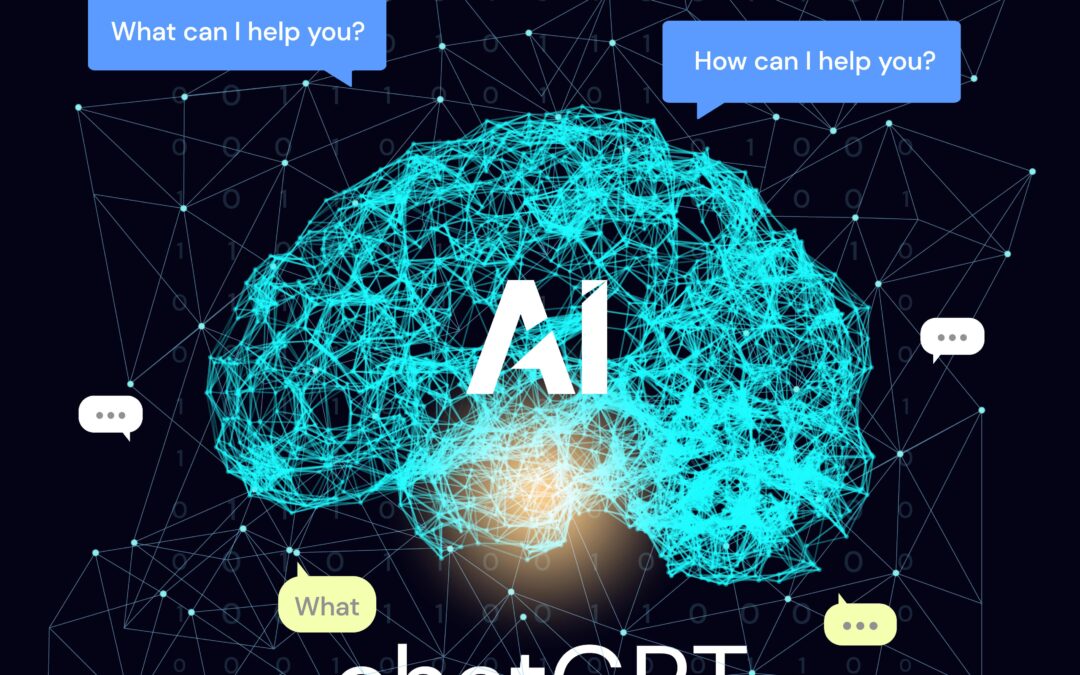
Artificial intelligence (AI) has become a cornerstone of modern technology, transforming everything from smartphones and online services to autonomous vehicles and smart devices. For beginners, understanding how AI works can feel overwhelming. However, AI can be broken down into four main types, each with distinct capabilities and applications.
By understanding these types, beginners can better grasp the potential of AI and how it impacts businesses, industries, and everyday life.
Why Understanding AI Matters
Businesses and individuals are increasingly using AI to automate tasks, analyze data, and improve decision-making. Knowing the different types of AI helps identify which systems are suitable for specific tasks and how they can be effectively implemented.
A comprehensive AI Beginner Guide explains the four main types of AI, making it easier for newcomers to understand the distinctions between basic, adaptive, and advanced systems.
The Four Types of Artificial Intelligence
Artificial intelligence can be categorized based on its level of learning, memory, and decision-making capability. Here are the four primary types:
1. Reactive Machines
Reactive machines are the simplest type of AI. They can respond to specific inputs with programmed actions but do not store memories or learn from experience.
A well-known example is IBM’s Deep Blue, a chess-playing system that could analyze moves and choose the best option. While effective in controlled environments, reactive machines cannot adapt beyond their predefined programming.
2. Limited Memory AI
Limited memory AI systems can retain temporary data and learn from recent experiences to make better decisions.
Examples include self-driving cars, recommendation engines, and virtual assistants. These systems continuously adapt to new data and refine their performance based on past outcomes, making them highly useful for real-world applications.
3. Theory of Mind AI
Theory of mind AI is designed to understand human emotions, intentions, and social behaviors. While fully developed systems in this category are still under research, the goal is to create AI that can interpret human feelings and interact more naturally.
Applications may include customer support systems, educational technology, and healthcare tools that respond to human emotions.
4. Self-Aware AI
Self-aware AI represents the most advanced type of artificial intelligence, where machines would possess consciousness and self-awareness.
Currently, self-aware AI remains theoretical, primarily explored in research and philosophical discussions about the future of AI. If realized, it could revolutionize the way humans and machines interact.
Why Beginners Should Learn AI Types
Understanding the four types of AI gives beginners a solid foundation to appreciate current technology and anticipate future innovations. Most practical applications today use limited memory AI, while reactive machines still handle predictable, rule-based tasks. Knowledge of theory of mind and self-aware AI helps learners grasp long-term AI possibilities.
Final Thoughts
Artificial intelligence is a vast and evolving field, but breaking it down into four types makes it approachable for beginners. A solid AI Beginner Guide provides clarity on current capabilities, practical applications, and future potential. By learning these distinctions, beginners can make informed decisions, adopt AI tools effectively, and prepare for a technology-driven world.
Discover Modern Comfort: A Guide to Apartment Rent in Beirut
Beirut, the lively capital of Lebanon, is a city that blends deep-rooted history with a mo…



Discover Modern Comfort: A Guide to Apartment Rent in Beirut
Beirut, the lively capital of Lebanon, is a city that blends deep-rooted history with …