

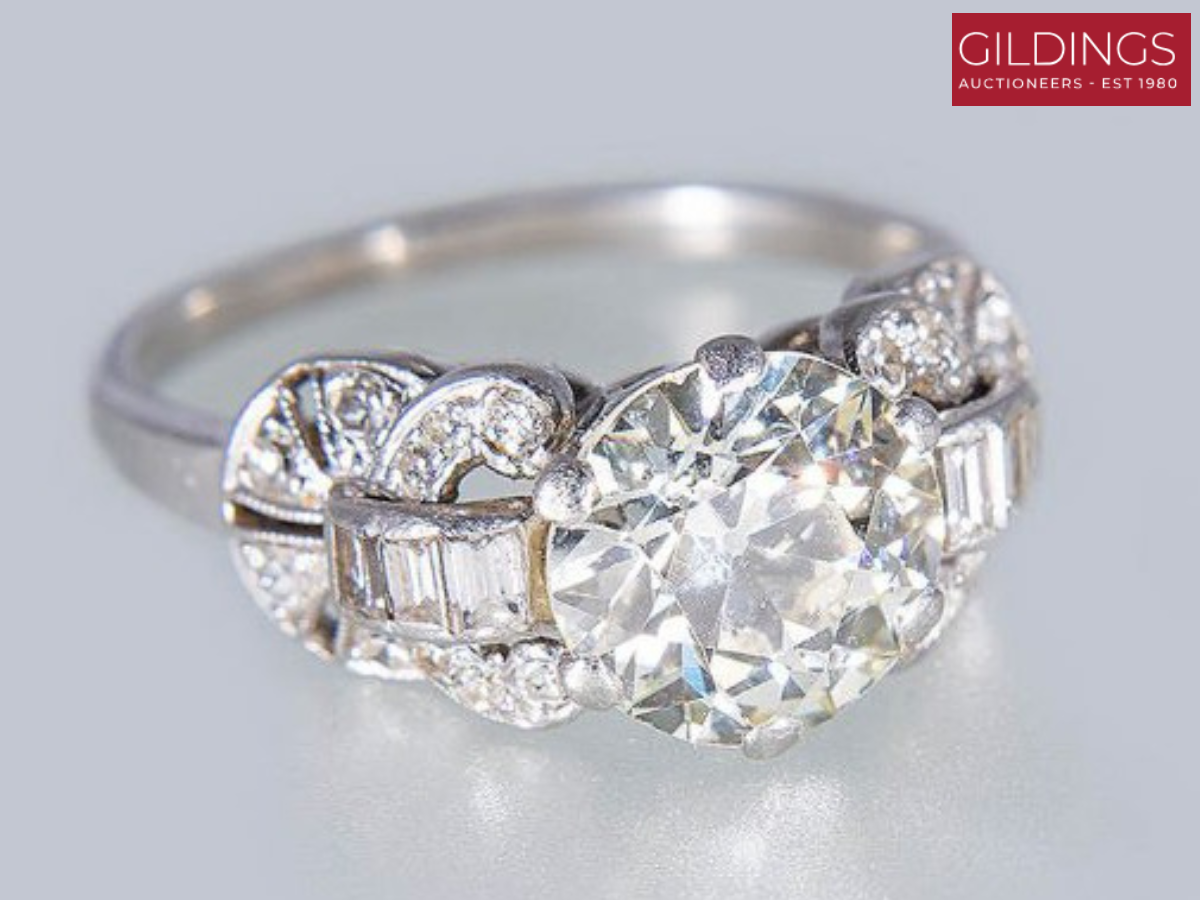
Many people own antique jewellery yet feel uncertain about its true worth. Family heirlooms often carry emotional value, however market value is rarely clear without expert guidance. This lack of clarity can lead to poor decisions, especially when selling, insuring, or planning estates.
Antique jewellery valuation solves this problem by offering a clear, professional assessment based on age, craftsmanship, materials, and current demand. With expert insight, owners gain confidence and avoid costly mistakes. Furthermore, a proper valuation protects both financial and historical value. Whether you wish to sell or simply understand what you own, accurate valuation provides certainty and peace of mind while ensuring informed decisions at every stage.
What Is Antique Jewellery Valuation?
Antique jewellery valuation is the professional process of assessing the financial worth of jewellery that is typically over 100 years old. This assessment is based on several important factors rather than appearance alone.
Firstly, specialists examine age and period characteristics. Jewellery from Georgian, Victorian, Edwardian, or Art Deco eras follows specific design patterns. Secondly, materials such as gold purity, gemstones, and enamel work are reviewed carefully.
However, value does not rely only on materials. Market trends, rarity, and condition also influence results. Therefore, antique jewellery valuation combines historical knowledge with real-time auction insight to provide a fair and realistic figure.
Why Accurate Valuation Matters More Than Ever
Understanding the true worth of antique jewellery is essential in today’s market. Without accurate valuation, owners may undervalue rare items or overestimate common pieces.
Moreover, insurance companies rely on professional valuations to provide suitable cover. An outdated or incorrect figure may leave valuable items underinsured. Likewise, when selling, realistic pricing attracts serious buyers and prevents long delays.
Antique jewellery valuation also plays a vital role in probate and estate planning. Clear documentation reduces disputes and ensures transparency. For these reasons, professional valuation remains a vital step for any antique jewellery owner.
Key Factors Considered During Antique Jewellery Valuation
Age and Historical Period
Each jewellery period carries distinct features. Georgian jewellery often includes closed-back settings, while Victorian designs favour sentiment and symbolism. Edwardian and Art Deco pieces reflect refinement and geometry.
Understanding these periods allows valuers to identify authenticity. As a result, antique jewellery valuation becomes more precise and credible.
Materials and Gemstones
Precious metals and gemstones form the foundation of value. Gold purity, silver quality, and platinum use are assessed carefully.
In addition, gemstones are examined for cut, clarity, colour, and size. Natural, untreated stones often command higher prices. Therefore, expert inspection is essential for reliable valuation outcomes.
Craftsmanship and Design Quality
Handcrafted jewellery often holds greater value than mass-produced items. Fine detailing, engraving, and stone setting methods indicate skilled workmanship.
Furthermore, signed pieces from known makers attract higher interest. Antique jewellery valuation takes these craftsmanship details into account to reflect true market appeal.
Condition and Wear
Condition significantly affects value. Chips, repairs, or missing stones can reduce worth.
However, sympathetic restoration may preserve value when done correctly. Therefore, condition assessment remains a balanced part of professional valuation.
How Market Demand Influences Antique Jewellery Valuation
Market trends play a crucial role in determining value. While rarity matters, buyer demand often drives final pricing.
For example, Art Deco jewellery remains highly sought after due to its bold design and versatility. Conversely, certain Victorian styles fluctuate depending on fashion preferences. Antique jewellery valuation reflects these shifts by analysing recent auction results and buyer behaviour. As a result, valuations remain relevant and aligned with real-world selling conditions.
Common Reasons People Seek Antique Jewellery Valuation
Selling at Auction
When preparing to sell, accurate valuation sets realistic expectations. It also guides reserve pricing and marketing strategies.
Professional antique jewellery valuation ensures items are positioned correctly, attracting serious bidders while avoiding undervaluation.
Insurance Purposes
Insurance valuations differ from selling estimates. They focus on replacement cost rather than market price.
However, both require expert assessment to avoid gaps in cover. Antique jewellery valuation provides documented assurance for insurers and owners alike.
Probate and Estate Planning
During probate, transparency is essential. Accurate valuations prevent disputes among beneficiaries.
Moreover, professional reports ensure compliance with legal and tax requirements, making antique jewellery valuation a practical necessity.
The Valuation Process Explained Step by Step
Antique jewellery valuation follows a structured approach. Initially, experts conduct a physical inspection. Measurements, weights, and condition are recorded carefully. Next, historical research confirms period authenticity and maker details. Comparable auction data is then reviewed to reflect current market conditions.
Finally, a formal valuation report is prepared. This document outlines findings clearly, ensuring clients understand how the value was reached. As a result, the process remains transparent and trustworthy.
Differences Between Valuation and Appraisal
Although often confused, valuation and appraisal serve different purposes. Appraisals may provide a broad estimate, often informal in nature.
In contrast, antique jewellery valuation delivers a documented, professional assessment supported by market data. This distinction is important when dealing with legal, insurance, or auction-related matters.
How Often Should Antique Jewellery Be Valued?
Jewellery values change over time due to metal prices and demand trends. Therefore, valuations should be updated regularly. Most experts recommend reassessing every three to five years. Additionally, significant market changes may justify earlier reviews. Regular antique jewellery valuation ensures figures remain accurate and reliable, protecting both owners and assets.
Choosing the Right Valuers for Antique Jewellery
Selecting experienced valuers is essential. Specialists with auction expertise understand buyer behaviour and pricing realities.
Moreover, independent valuers provide impartial assessments without inflated figures. This approach builds trust and ensures realistic expectations. Antique jewellery valuation should always be conducted by professionals with proven market knowledge and historical understanding.
Conclusion: Secure Confidence Through Expert Valuation
Antique jewellery carries both financial and emotional value. Without expert insight, owners risk uncertainty and costly mistakes. Accurate valuation provides clarity, protects assets, and supports informed decisions. From insurance to selling, professional assessment remains essential.
For accurate antique jewellery valuation, trust Gildings Auctioneers to assess, advise, and guide you with confidence, expertise, and market knowledge, ensuring your jewellery receives the recognition and value it deserves.
Discover Modern Comfort: A Guide to Apartment Rent in Beirut
Beirut, the lively capital of Lebanon, is a city that blends deep-rooted history with a mo…



Discover Modern Comfort: A Guide to Apartment Rent in Beirut
Beirut, the lively capital of Lebanon, is a city that blends deep-rooted history with …