

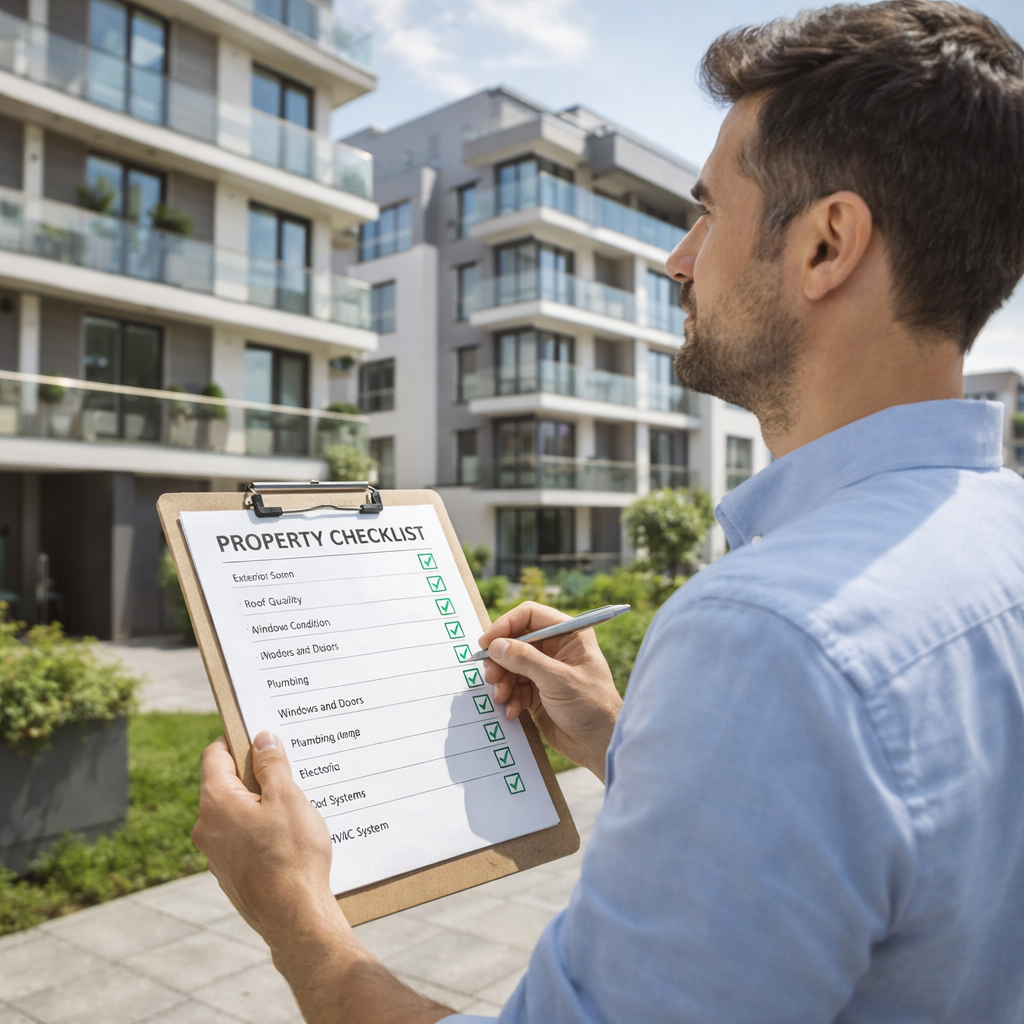
Buying an apartment is one of the biggest financial commitments you’ll make, and the long-term value of your investment depends heavily on building quality. A project may look impressive in brochures or show homes, but real quality lies in the structure, materials, workmanship, and reliability of the builder. A thorough building quality assessment ensures your future home is safe, durable, and comfortable for decades. It also protects you from unexpected repair costs, leakage issues, and depreciation.
This guide gives you a complete framework to assess the construction quality of an apartment building before you finalize your purchase.
1. Evaluate the Builder’s Reputation and Track Record
A builder’s credibility is one of the biggest predictors of construction quality.
Check for:
-
Years of experience in the real estate industry
-
Number of completed projects
-
Customer reviews and complaint history
-
On-time delivery record
-
Adherence to RERA guidelines
-
Quality consistency across past projects
Visit older projects built by the same developer—they reveal how well the construction has aged.
2. Inspect the Structural Strength of the Building
The structure is the backbone of any apartment building. Good structural design guarantees durability, safety, and resistance to natural forces.
Look for:
-
RCC (Reinforced Cement Concrete) quality
-
Pillar and beam thickness
-
No visible cracks or damp patches
-
Earthquake-resistant design standards
-
Load-bearing capacity
If possible, speak with the project engineer or check the structural drawings for better clarity.
3. Assess Wall Construction and Plastering Quality
Walls determine insulation, soundproofing, stability, and aesthetics.
Check for:
-
Brick or block material used
-
Uniform plastering with no hollow sounds
-
No cracks, gaps, or uneven surfaces
-
Proper curing to prevent future cracks
-
Quality of interior and exterior paint
Tap on the wall—hollow sounds indicate poor plaster quality.
4. Review Floor Quality and Tile Installation
Flooring impacts the overall elegance and functionality of your home.
Inspect for:
-
Premium tile or wooden flooring brands
-
Uniform tile spacing
-
No loose or uneven tiles
-
No hollow sounds when stepped on
-
Smooth finishing without sharp edges
Tiles should neither wobble nor produce cracking noises.
5. Check Plumbing, Water Lines, and Bathroom Fittings
Poor plumbing results in leakage, seepage, and expensive repairs.
What to check:
-
Pressure levels in taps and showers
-
Drainage speed in bathrooms and kitchens
-
No waterlogging around floor traps
-
Quality brands used (Grohe, Kohler, Jaquar, etc.)
-
Proper sealing around faucets
-
No visible rust or pipe corrosion
Plumbing quality directly affects long-term comfort.
6. Inspect Electrical Wiring and Fixtures
A safe and efficient electrical system prevents accidents and increases appliance lifespan.
Check that:
-
Wiring is concealed and branded
-
Switchboards are sturdy and well-fitted
-
Sufficient electrical points exist in each room
-
MCBs and ELCBs are installed for safety
-
Inverter/backup provisions are available
-
Earthing is properly done
Test random switches to confirm power flow and stability.
7. Look at Doors, Windows, and Hardware Quality
Doors and windows influence security, ventilation, sound insulation, and energy efficiency.
Inspect for:
-
Solid wooden or laminated main door
-
Smooth opening and closing
-
High-quality hinges and locks
-
Aluminum or UPVC window frames
-
Double-glazed glass (in premium projects)
-
No gaps that allow dust or insects
Good-quality fittings enhance long-term durability.
8. Evaluate Lift Quality and Common Area Fixtures
Lifts are crucial in multi-storey buildings, especially high-rises.
Check:
-
Lift brand (Otis, Kone, Schindler, Thyssenkrupp)
-
Speed and smoothness
-
Emergency safety features
-
Generator backup
-
Clean and well-maintained lift interiors
Also inspect:
-
Lobby flooring and lighting
-
Staircase finishing
-
Fire safety systems
-
Ventilation in common areas
These reflect the builder’s attention to detail.
9. Review Amenities and Their Build Quality
Modern apartment projects offer amenities, but their actual execution matters more than brochures.
Check the physical quality of:
-
Swimming pool tiles and filtration systems
-
Gym flooring and equipment quality
-
Landscape and garden irrigation systems
-
Children’s play area safety standards
-
Clubhouse interiors and finishing
-
Sports courts and flooring
Poor-quality amenities increase maintenance costs later.
10. Understand Water Supply, Waste Management & STP Quality
Infrastructure quality directly impacts daily life.
Evaluate:
-
Borewell depth and water yield
-
Municipal water connection availability
-
Water treatment plant quality
-
Sewage treatment plant (STP) functioning
-
Rainwater harvesting implementation
-
Garbage disposal systems
A reliable water system improves long-term sustainability.
11. Check for Proper Ventilation and Natural Light
Well-designed apartments ensure airflow and daylight, enhancing comfort and reducing electricity consumption.
Assess:
-
Window placement in each room
-
Cross-ventilation in living spaces
-
Adequate sunlight during the day
-
No blocked views due to other structures
Ventilation is especially important in kitchens and bathrooms.
12. Analyze Parking Facilities and Basement Construction
Parking areas often reveal the quality of structural planning.
Look for:
-
Sufficient parking slots
-
Proper markings
-
Adequate turning radius
-
Good ventilation and lighting
-
Waterproofing in basements
-
Drainage systems
Cracks or seepage in basement walls are red flags.
13. Compare Multiple Projects for Benchmarking
Don’t rely on a single project—compare 3 to 5 buildings to understand quality differences.
During comparison, many buyers review market-wide examples such as Flats for Sale in Bangalore to benchmark prices, amenities, and building standards across various developers. This helps identify which builders consistently deliver high-quality construction versus those who focus only on marketing and design.
Final Thoughts: Building Quality Determines Long-Term Value
Apartment building quality assessment is not just about aesthetics—it’s about structural strength, safety, comfort, and long-term returns. A well-built home minimizes repair costs, maintains resale value, and provides a healthy living environment.
Before finalizing any apartment, take the time to inspect materials, evaluate structural integrity, verify builder reputation, and assess the quality of every visible and invisible component. A little caution today can save you years of inconvenience and unexpected expenses.
Discover Modern Comfort: A Guide to Apartment Rent in Beirut
Beirut, the lively capital of Lebanon, is a city that blends deep-rooted history with a mo…



Discover Modern Comfort: A Guide to Apartment Rent in Beirut
Beirut, the lively capital of Lebanon, is a city that blends deep-rooted history with …