

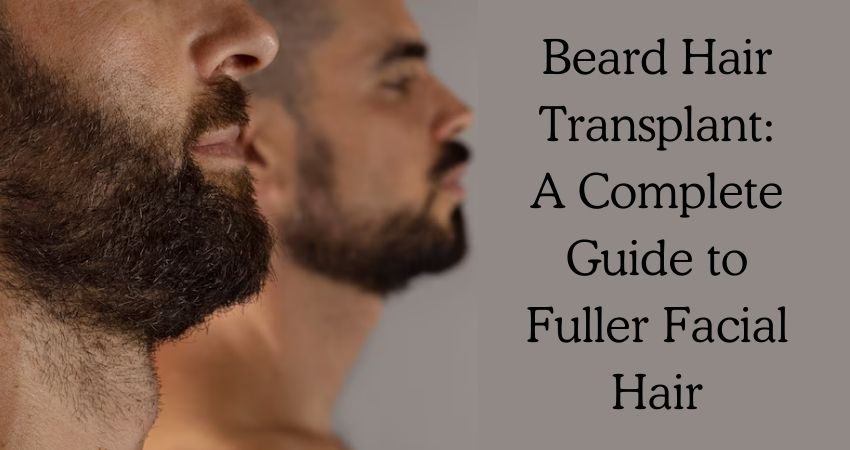
A well-shaped, dense beard has become a strong symbol of confidence and personal style. However, not everyone is naturally blessed with even facial hair growth. Genetics, hormonal factors, scars, burns, or medical conditions can all contribute to patchy or thin beards. While oils, serums, and grooming techniques may temporarily improve appearance, they cannot create new hair follicles. This is why medical restoration has gained attention as a long-term solution. With advancements in technology, facial hair restoration is now more precise and natural-looking than ever. Understanding the beard hair transplant techniques, process, and outcomes can help individuals decide if this option aligns with their goals. This guide explains everything you need to know about a beard hair transplant in a simple, informative, and practical way.
What Is a Beard Hair Transplant?
A beard hair transplant is a cosmetic procedure that restores or enhances facial hair by transplanting healthy hair follicles from a donor area—usually the back or sides of the scalp—to the beard area. These follicles are carefully implanted to follow the natural angle, direction, and density of beard growth.
Once transplanted, the hair behaves like natural facial hair. It grows continuously, can be shaved or trimmed, and blends seamlessly with existing beard hair. The purpose is not just to add hair, but to create a balanced and realistic beard pattern that complements the face.
Why Do Men Opt for Beard Restoration?
The reasons for choosing facial hair restoration vary widely. Some men experience uneven growth due to genetics, while others lose beard hair because of acne scars, injuries, or surgical marks. Hormonal imbalances and certain treatments can also limit facial hair development.
Beyond physical reasons, emotional and psychological factors often play a role. A fuller beard can improve self-confidence and help individuals feel more aligned with their desired appearance. For many, the decision is about addressing a long-standing concern rather than chasing trends.
Techniques Used in Beard Hair Transplant Procedures
Modern facial hair restoration primarily relies on two established techniques: FUE and FUT. Each method has its own advantages, and the choice depends on individual needs and donor hair availability.
Follicular Unit Extraction (FUE)
FUE is the most commonly used technique today. In this method, individual hair follicles are dragged one by one from the donor area using a technical tool. These follicles are then precisely implanted into the beard region.
FUE is favored because it leaves minimal scarring and offers a relatively quick recovery. It allows surgeons to select the healthiest follicles and place them strategically for a natural finish, making it a popular option for a beard hair transplant.
Follicular Unit Transplantation (FUT)
FUT, also known as the strip strategy, involves withdrawing a thin strip of skin with hair follicles from the donor area. The strip is then divided into individual grafts, which are implanted into the beard.
While FUT goes a linear scar at the contributor site, it can be beneficial for individuals who require more grafts or have limited donor density. In skilled hands, FUT can also yield natural, lasting results when used for beard restoration.
The Procedure: What to Expect
A beard hair transplant is typically performed under local anesthesia, ensuring comfort throughout the session. The duration depends on the number of grafts required and the technique used. During implantation, careful attention is paid to hair angle and spacing, as beard hair grows differently from scalp hair.
After the procedure, mild redness, swelling, or sensitivity is common but usually subsides within a few days. Tiny scabs form around the transplanted follicles and fall off naturally within a week. Most individuals resume normal routines shortly after, with minimal downtime.
Healing and Hair Growth Timeline
Initial shedding of transplanted hair is a normal part of the process and should not be a cause for concern. New growth typically begins within three to four months. Over time, the hair becomes thicker and more consistent.
Final results from a beard hair transplant are usually visible between eight and twelve months. The transplanted follicles are permanent and continue to grow like natural facial hair, offering long-lasting improvement.
Who Is a Good Candidate?
Ideal candidates generally have sufficient donor hair, good overall health, and realistic expectations. Skin type, beard design goals, and lifestyle habits also influence outcomes. An experienced consultation helps determine the most suitable technique—FUE or FUT—and the achievable density.
Experienced clinics such as Beverly Hills Hair Restoration focus on individualized planning to ensure the beard shape and density align with facial features and personal preferences.
Conclusion
A beard hair transplant is a practical, long-term solution for men with patchy or uneven facial hair. By using advanced techniques like FUE and FUT, surgeons can create natural-looking beards that enhance facial balance and personal confidence. Although the process requires patience and proper planning, the results are permanent and adaptable to everyday grooming. As technology and expertise continue to advance, facial hair restoration has become a refined and reliable option. For those seeking fuller facial hair, learning about the procedure is the first step toward making an informed and confident decision.
Discover Modern Comfort: A Guide to Apartment Rent in Beirut
Beirut, the lively capital of Lebanon, is a city that blends deep-rooted history with a mo…



Discover Modern Comfort: A Guide to Apartment Rent in Beirut
Beirut, the lively capital of Lebanon, is a city that blends deep-rooted history with …