

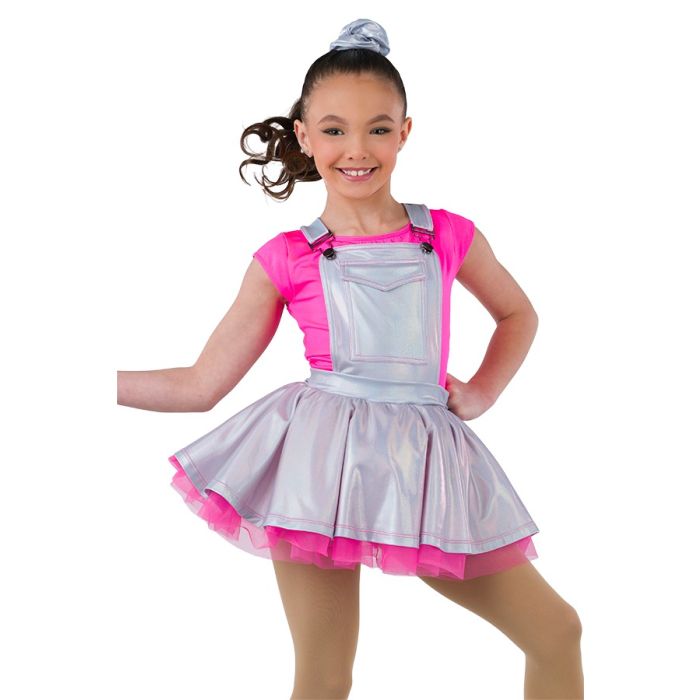
Dance is a language that speaks through movement, rhythm, and emotion. While technique and expression are vital, dance costumes play an equally powerful role in shaping how a performance is seen and felt. A well-designed costume does more than decorate a dancer—it enhances movement, supports storytelling, and connects the performer with the audience. From classical traditions to modern stage productions, dance costumes are an essential part of the dance world.
This blog explores the importance of dance costumes, their evolution, types, materials, design principles, and how the right costume can elevate any performance.
The Importance of Dance Costumes in Performance
Dance costumes are not just clothing; they are visual tools that amplify a dancer’s presence on stage. When lights hit the fabric and movements flow with the music, costumes help translate emotion into a visual experience.
Key roles of dance costumes include:
-
Enhancing expression: Colors, cuts, and textures reflect mood and theme.
-
Supporting movement: Properly designed costumes allow flexibility and freedom.
-
Defining character: Costumes help dancers step fully into their roles.
-
Creating visual impact: Coordinated costumes make group performances powerful and memorable.
Without the right costume, even the most technically perfect dance can feel incomplete.
Evolution of Dance Costumes Over Time
Dance costumes have evolved alongside dance forms and cultural influences. In early traditions, costumes were deeply rooted in rituals, religious practices, and social customs. Over time, as dance moved from temples and courts to theaters and global stages, costume design adapted to new needs.
-
Classical era: Costumes were elaborate, symbolic, and handcrafted.
-
Folk traditions: Outfits reflected regional identity and local materials.
-
Modern and contemporary dance: Costumes became minimalist, focusing on movement rather than ornamentation.
-
Commercial and stage performances: Today’s costumes blend tradition with innovation, using modern fabrics and creative designs.
This evolution shows how dance costumes balance heritage and modern expression.
Types of Dance Costumes Across Dance Forms
Different dance styles demand different costume designs. Each form has unique requirements based on movement, rhythm, and cultural background.
Classical Dance Costumes
Classical dance costumes are rich in tradition and symbolism. They often feature:
-
Structured silhouettes
-
Traditional fabrics and motifs
-
Jewelry and accessories that enhance facial and hand movements
These costumes help preserve the authenticity of the dance form while highlighting precise movements.
Folk Dance Costumes
Folk dance costumes reflect local culture and community identity. They are usually:
-
Bright and colorful
-
Made with regional textiles
-
Designed for energetic group movements
They bring life, celebration, and cultural pride to the stage.
Contemporary Dance Costumes
Contemporary dance costumes focus on simplicity and freedom. Common characteristics include:
-
Neutral or solid colors
-
Stretchable fabrics
-
Minimal embellishments
The goal is to let the dancer’s body and emotions take center stage.
Hip-Hop and Street Dance Costumes
These Hip Hop dance costumes are bold, expressive, and trend-driven. They often include:
-
Loose or layered clothing
-
Urban-inspired designs
-
Strong color contrasts
Such costumes reflect individuality and attitude.
Stage and Theatrical Dance Costumes
For theatrical performances, dance costumes are designed to support storytelling. They may involve:
-
Dramatic silhouettes
-
Custom-made designs
-
Creative use of props and accessories
These costumes help bring characters and narratives to life.
Fabrics and Materials Used in Dance Costumes
The choice of fabric is critical in dance costume design. It affects comfort, durability, and visual appeal.
Commonly used materials include:
-
Stretch fabrics: Such as lycra and spandex for flexibility
-
Flowing fabrics: Like chiffon and georgette for graceful movements
-
Structured fabrics: For costumes that need defined shapes
-
Breathable materials: To keep dancers comfortable during long performances
The right fabric ensures that the costume moves with the dancer, not against them.
Design Elements That Make Dance Costumes Stand Out
Successful dance costumes are created with careful attention to design details. Some key elements include:
-
Color selection: Colors influence mood and visibility under stage lighting
-
Fit and comfort: A perfect fit boosts confidence and performance quality
-
Movement enhancement: Tassels, layers, and flares add visual rhythm
-
Durability: Costumes must withstand rehearsals and repeated performances
Designers must balance creativity with practicality to achieve the best results.
The Role of Dance Costumes in Group Performances
In group dances, costumes play a unifying role. Matching or coordinated dance costumes create harmony and visual balance on stage. They help audiences focus on formations, timing, and synchronization rather than individual differences.
Uniform costumes also:
-
Strengthen team identity
-
Improve stage symmetry
-
Enhance overall presentation
Even subtle variations, when planned well, can add depth to group choreography.
Custom-Made vs Ready-Made Dance Costumes
Choosing between custom-made and ready-made dance costumes depends on budget, timeline, and performance needs.
Custom-made costumes offer:
-
Perfect fit
-
Unique designs
-
Alignment with choreography and theme
Ready-made costumes provide:
-
Quick availability
-
Cost-effectiveness
-
Convenience for practice or small events
Both options have value, and the right choice depends on the dancer’s goals.
Caring for Dance Costumes
Proper care extends the life of dance costumes and keeps them stage-ready. Some essential care tips include:
-
Hand-washing delicate fabrics
-
Storing costumes in breathable covers
-
Avoiding direct sunlight for long periods
-
Repairing minor damage promptly
Well-maintained costumes retain their beauty and functionality over time.
How Dance Costumes Boost a Dancer’s Confidence
When dancers feel comfortable and confident in their costumes, it shows in their performance. A well-fitted, thoughtfully designed costume helps dancers:
-
Move freely
-
Stay focused
-
Express emotions more naturally
Confidence gained from the right dance costume can transform a good performance into a memorable one.
Conclusion
Dance costumes are an inseparable part of the performing arts. They combine creativity, culture, and craftsmanship to enhance every movement on stage. Whether rooted in tradition or inspired by modern trends, dance costumes play a vital role in storytelling, expression, and performance quality.
From fabric selection to final design, every detail matters. When chosen thoughtfully, dance costumes do more than dress a dancer—they bring the dance to life.
Discover Modern Comfort: A Guide to Apartment Rent in Beirut
Beirut, the lively capital of Lebanon, is a city that blends deep-rooted history with a mo…



Discover Modern Comfort: A Guide to Apartment Rent in Beirut
Beirut, the lively capital of Lebanon, is a city that blends deep-rooted history with …