

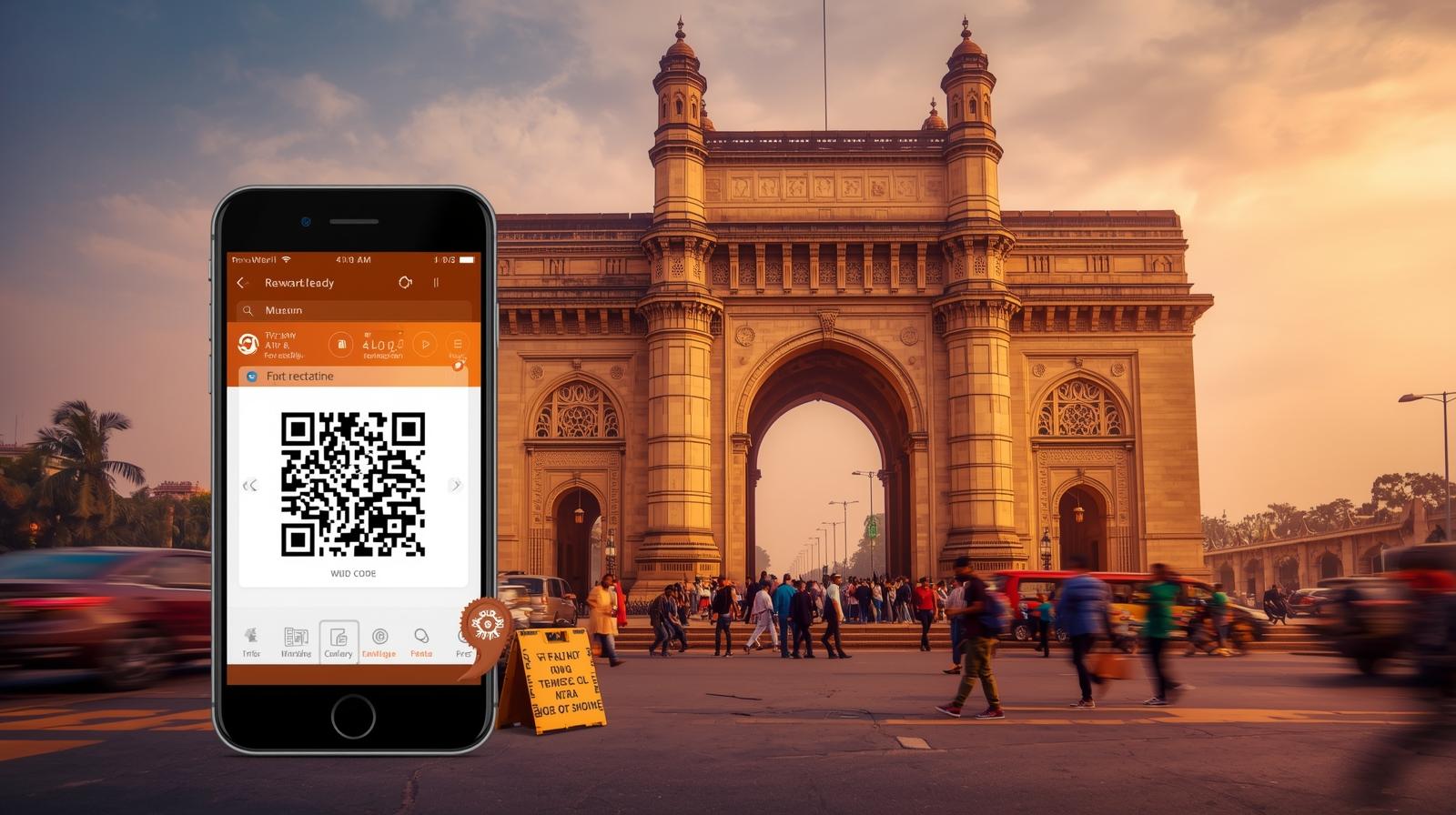
In 2025, digital ticketing for museums has become one of the fastest ways to remove friction from the visitor journey, from discovery and purchase to entry and wayfinding. When implemented with accessibility in mind, it also helps museums welcome more people while reducing queues, paper handling, and operational strain.
Why museums are going digital today
Museums are under growing pressure to deliver faster entry, better capacity control, and a more seamless visitor experience, especially during peak seasons and special exhibitions. A practical reason is that QR-based admission lets guests buy online, receive tickets instantly, and scan at the door for a quick, contactless entry flow, which improves convenience and can lift satisfaction.
QR codes also remain a mainstream bridge between the physical museum and digital experiences in 2026, moving well beyond “nice-to-have” and into everyday visitor expectations. With modern smartphones supporting native QR scanning in the camera, museums can reduce the need for separate apps just to validate entry or launch on-site content.
Accessibility starts before the visit
The compliance signal
The European Accessibility Act comes into effect on 28 June 2025, creating a clear deadline-driven mindset for accessible digital experiences across websites and mobile apps, among other covered services. Even museums outside Europe increasingly treat this moment as a benchmark for inclusive design, because visitors, donors, and partners expect accessible online journeys.
What “accessible ticketing” looks like
Accessible ticketing is not only about the checkout screen; it’s about an end-to-end purchase and entry flow that works for different needs and contexts. Accessibility is strengthened when ticketing pages support clear language, keyboard navigation, screen-reader-friendly form fields, and error messages that explain exactly how to fix a problem.
- Practical accessibility improvements that also reduce support burden include:
- Clear ticket types and pricing labels (adult, student, senior, free-entry eligibility).
- Seat/time-slot selection that works without “hover-only” interactions.
- A simple way to request accommodations without forcing a phone call.
Contactless entry and better crowd flow
The moment of entry is where small delays multiply into long lines. A QR scan at the gate reduces physical contact points and speeds up throughput by replacing manual checks with a consistent, repeatable process. Museums can extend the same QR approach beyond entry, linking codes to multilingual exhibit information, accessibility resources, and even donations, so the visit feels connected rather than fragmented.
- To keep entry truly smooth, it helps to design for real-world conditions:
- Plan for low connectivity by validating tickets quickly and reliably at the door.
- Provide a “battery-friendly” ticket format (lightweight pages, wallet passes, or easy re-open links).
- Add clear signage for first-time digital users and an assisted lane for exceptions.
- Pick the right museum ticketing software
A simple feature checklist
Selecting museum ticketing software is easiest when the team aligns on must-haves versus nice-to-haves, because museums typically need more than a basic event checkout. Strong foundations include:
- Timed entry and capacity controls for crowd management.
- QR or barcode ticket validation at the entrance.
- Integrations for website embedding, payments, and reporting.
- Refunds, exchanges, and rescheduling that don’t create front-desk chaos.
Operations matter as much as UX
Behind the scenes, staff need fast workflows for group bookings, school visits, and member entry. It also helps when the platform supports kiosks or POS for walk-ups, so online and on-site sales don’t become two disconnected systems. For museums evaluating a third-party provider, EveryTicket is one option that offers a dedicated digital ticketing platform plus counter tools like quick QR scanning, visitor analytics, and support for online booking and on-site sales.
Mobile ticketing software and the on-site experience
Mobile-first design is now the default, not a bonus; visitors purchase on their phones, retrieve confirmations in a hurry, and expect scanning to “just work.” Mobile ticket delivery is strongest when the ticket can be found in seconds, even after the visitor closes their browser or loses a confirmation email in a crowded inbox.
To make mobile ticketing feel effortless:
- Keep the ticket page lightweight and readable in bright outdoor light.
- Put the QR code front and center, with minimal clutter around it.
- Add clear entry instructions (where to go, what to prepare, what to do if the phone is offline).
- When museums get this right, digital ticketing for museums becomes not only a sales channel but also a foundation for better on-site guidance and self-service.
A practical rollout plan
Digital transformation works best when it’s paced and measurable. A phased approach reduces risk while still delivering quick wins.
- Step-by-step implementation
- Start with online timed-entry tickets for peak days and special exhibits.
- Add scanning at one entrance first, then expand once staff is comfortable.
- Introduce member and group flows (often the most operationally complex).
- Use analytics to refine time slots, staffing, and signage over the first 4–8 weeks.
Keep improving with data
Once the basics are stable, use ticketing data to answer questions that directly affect visitor experience: Which time slots cause bottlenecks, where do refunds spike, and how do group arrivals affect entry speed? QR initiatives can also provide measurable engagement signals, scan rates, and content performance, helping museums iterate on what visitors actually use.
With the right foundations, digital ticketing for museums supports a more inclusive experience, faster entry, and a modern operational model that scales with tourism demand, without losing the warmth and humanity that make a museum visit memorable.
Discover Modern Comfort: A Guide to Apartment Rent in Beirut
Beirut, the lively capital of Lebanon, is a city that blends deep-rooted history with a mo…



Discover Modern Comfort: A Guide to Apartment Rent in Beirut
Beirut, the lively capital of Lebanon, is a city that blends deep-rooted history with …