

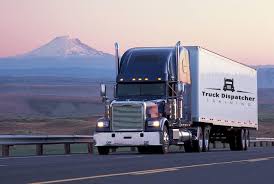
In today’s fast-paced logistics and transportation industry, managing freight operations efficiently is more critical than ever. A professional dispatching service plays a vital role in keeping trucks on schedule, minimizing downtime, and maximizing profitability. By coordinating loads, managing communication between stakeholders, and ensuring timely deliveries, dispatchers act as the central hub of trucking operations.
Whether for owner-operators, small trucking companies, or large fleets, partnering with an experienced dispatching service can significantly improve operational performance while allowing drivers to focus solely on the road.
What Does a Dispatching Service Do?
A dispatching service manages the operational backbone of trucking businesses. The responsibilities of a dispatcher include:
1. Load Sourcing and Assignment
Dispatchers identify available loads that match the capabilities and preferences of each truck. This includes analyzing weight limits, cargo type, route preferences, and delivery deadlines. By efficiently assigning loads, dispatchers reduce deadhead miles (empty return trips) and increase revenue per mile for drivers and fleet operators.
2. Route Planning and Scheduling
Optimized routing is essential in reducing fuel consumption, avoiding traffic congestion, and meeting delivery deadlines. Dispatchers plan routes based on distance, road conditions, delivery windows, and driver hours-of-service regulations. Proper route planning also minimizes operational risks and improves on-time performance.
3. Rate Negotiation
Dispatchers often negotiate rates with shippers and brokers to ensure fair compensation for carriers. Experienced dispatching services help trucking companies maximize earnings while maintaining competitive relationships with freight brokers.
4. Driver and Broker Communication
A dispatcher acts as the primary communication link between drivers, brokers, and shippers. They provide updates, resolve issues in real time, and address unexpected delays or challenges. This constant communication ensures that freight moves smoothly and customers remain satisfied.
By handling these critical tasks, dispatching services allow trucking companies to focus on core operations rather than administrative burdens.
Benefits of Outsourcing Dispatching
Outsourcing dispatching offers multiple advantages for trucking companies of all sizes:
Increased Efficiency
Professional dispatchers streamline operations by ensuring that trucks are consistently loaded, on-time, and operating at maximum capacity.
Reduced Downtime
Idle trucks represent lost revenue. Dispatchers coordinate schedules and loads to minimize downtime between trips, improving overall fleet productivity.
Compliance and Safety
Dispatchers help drivers and fleets comply with Hours of Service (HOS) regulations and other federal and state safety requirements, reducing the risk of fines or operational disruptions.
Better Profitability
Through optimized routing, efficient load assignment, and effective rate negotiation, outsourcing dispatching can improve a trucking company’s bottom line. Reliable freight dispatch services ensure consistent cash flow and operational growth.
Scalability for Growing Fleets
As fleets expand, dispatching services can scale to accommodate more trucks and drivers without the need for hiring additional administrative staff. This flexibility allows trucking companies to grow without operational bottlenecks.
Why Dispatching Matters in Today’s Logistics Industry
The trucking and freight industry faces several challenges, including rising fuel costs, increased competition, and stricter regulatory requirements. In this environment, an efficient dispatching system is not optional—it’s essential. A skilled dispatch partner helps trucking businesses:
-
Optimize routes to save on fuel and maintenance costs
-
Ensure timely deliveries to maintain customer satisfaction
-
Minimize administrative overhead for fleet managers
-
Reduce driver stress and improve operational efficiency
By leveraging a professional dispatching service, trucking companies gain a competitive advantage in an industry where time and efficiency directly impact profitability.
Choosing the Right Dispatching Service
When selecting a dispatching service, consider the following:
-
Experience: Choose a team familiar with your market and regulatory requirements.
-
Technology Integration: Ensure they use modern dispatch software for tracking, routing, and communication.
-
Flexibility: The service should adapt to fluctuating freight volumes and schedules.
-
Reliability: Quick communication and problem-solving are essential for smooth operations.
-
Cost Efficiency: Evaluate the pricing model to ensure it provides measurable ROI.
Final Thought
A professional dispatching service is the backbone of any successful freight operation. By managing load assignments, route planning, rate negotiations, and driver communication, dispatchers free trucking companies to focus on growth and operational efficiency. Whether you are an owner-operator or manage a large fleet, outsourcing dispatching can dramatically improve productivity, reduce costs, and increase profitability.
Discover Modern Comfort: A Guide to Apartment Rent in Beirut
Beirut, the lively capital of Lebanon, is a city that blends deep-rooted history with a mo…



Discover Modern Comfort: A Guide to Apartment Rent in Beirut
Beirut, the lively capital of Lebanon, is a city that blends deep-rooted history with …