

Introduction
We have all been there at some point. You are staring at a report card and obsessing over a single number or a letter grade. It is easy to fall into the trap of thinking that academic grades are the be all and end all of schooling. But if you take a step back and look at the bigger picture you realise that life is rarely multiple choice. The challenges our children will face in the real world require grit and empathy and the ability to think on their feet. This is exactly where Manchester Global School steps in with a refreshing perspective.
We believe that building a resilient and well rounded human being is just as important as acing a maths test. This is precisely Why Education in Life Skills Matters More Than Just Marks and why it should be the heartbeat of every classroom.
Why Life Skills Education Matters Today
The world is changing at a rate of knots. The jobs of tomorrow might not even exist today and the old roadmap for success is being rewritten. Success is no longer defined strictly by exam results. Instead it is defined by how well a young person can navigate the ups and downs of real life.
Life skills are the tools that help students handle these modern demands. They are the abilities that build resilience when things go pear shaped and foster adaptability when plans change. At Manchester Global School we go far beyond the standard textbooks. We are in the business of cultivating essential human traits like critical thinking and collaboration and emotional intelligence. We want our students to be able to read a room just as well as they can read a novel.
The Power of Holistic Learning
When we talk about life skills we are talking about empowering students to manage their lives effectively. It is about giving them the confidence to lead and the wisdom to make sound decisions.
These skills strengthen teamwork and boost emotional well being. They encourage young people to live ethically and compassionately. It is not just about knowing facts. It is about understanding people and understanding oneself. Global bodies like the WHO and UNESCO have long emphasised that these skills are crucial for mental health and social participation. We take these global best practices and adapt them to our local values. The result is a graduate who leaves us with intellect and a strong moral compass.
Core Life Skills We Teach
At Manchester Global School we focus on a specific set of skills that we believe form the foundation of a successful life.
Emotional Intelligence and Self Awareness
Understanding your own feelings is the first step to understanding others. We use reflection journals and mindfulness sessions to help students tune into their internal world. Positive classroom conversations allow students to learn how to recognise emotions and manage stress. It is about teaching them to respond thoughtfully rather than reacting impulsively. When a student can identify that they are feeling frustrated rather than just acting out they have unlocked a powerful tool for self regulation.
Critical Thinking and Problem Solving
The world is full of complex problems that need creative solutions. From lively debates to hands on real world projects our learners are constantly analysing and evaluating. We want them to ask questions and challenge assumptions. By collaborating to find solutions they build confidence in their own innovative potential. It is not about knowing the right answer immediately but knowing how to find it.
Resilience and Adaptability
Life is going to throw curveballs. That is a guarantee. We teach our students to swing at them. Through leadership opportunities and roles in the student council our learners experience setbacks and successes. They learn that failure is not the end of the road but simply a stepping stone. Whether it is a Model UN simulation or a group project that needs a pivot they learn to adapt to change and grow stronger each day.
Mentorship and Values
Our teachers are not just lecturers standing at the front of the room. They are mentors who walk alongside the students. They guide reflection and model empathy in every interaction.
Support involves one on one mentoring and empathy driven discussions. If a student is struggling with a decision a mentor is there to help them weigh the options and consider the consequences. This support system is vital. It creates a safe space where students feel seen and heard. It transforms the school from a place of instruction into a community of growth.
Integrating Skills into the Culture
One might wonder how we fit all this in alongside the academic curriculum. The answer is that life skills are not a separate add on that we squeeze in on a Friday afternoon. They are the culture of the school.
We embed these skills through student leadership councils where students have a genuine voice. Peer collaboration projects require negotiation and teamwork. Community service initiatives teach compassion and civic responsibility. Reflection based learning modules ensuring that students pause to process what they have learned. Even our mindfulness periods are designed to reset the brain and focus the mind. Conflict resolution workshops give students the practical language they need to settle disputes amicably.
Tailoring the Approach for Every Age
We know that a Grade 4 student views the world differently than a Grade 10 student. That is why our approach is tailored to fit the developmental stage of the child.
Highlights for Grades 4 to 6
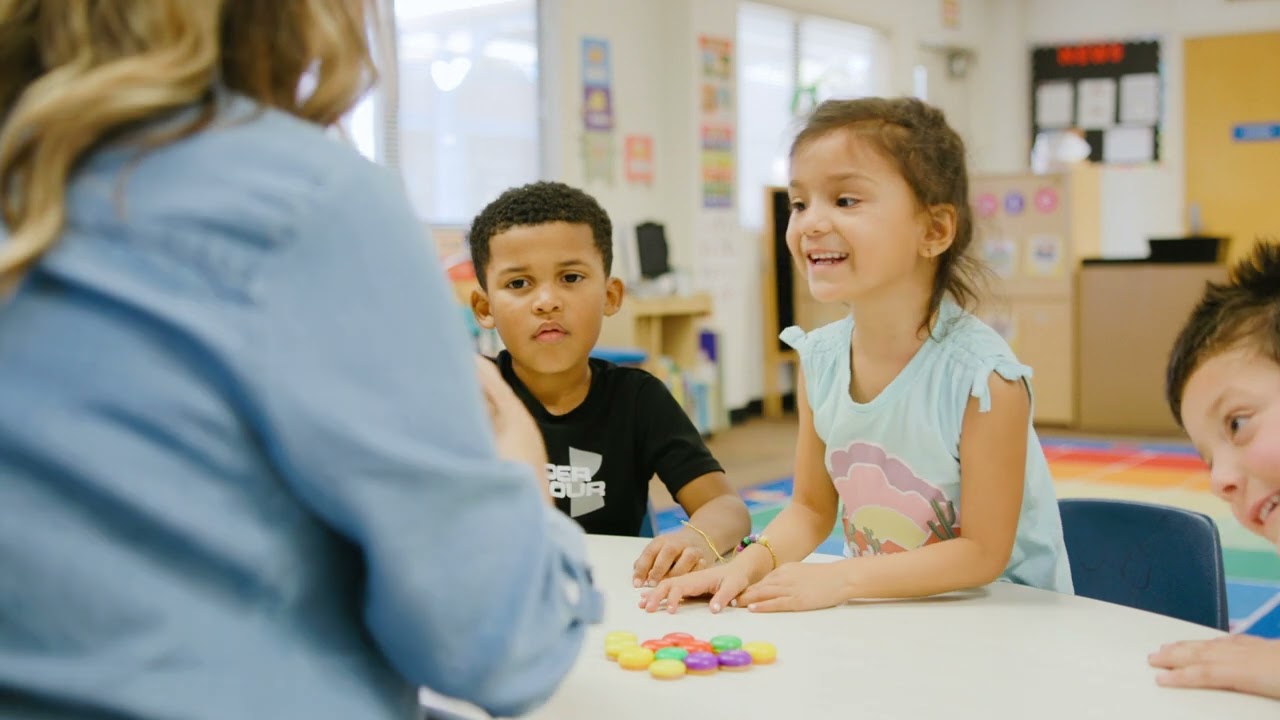
For our younger learners we focus on building a vocabulary for their feelings. We use interactive storytelling to build empathy so they can walk in the shoes of a character. We use tools like feeling wheel boards which help them identify exactly what emotion is bubbling up. Classroom responsibilities build accountability. We also have peace corners which are quiet spaces for emotional self regulation where a student can go to calm down and centre themselves.
Highlights for Grades 7 to 10
As students get older the challenges get more complex. We introduce debate and dialogue clubs to sharpen their reasoning skills. Role play simulations present them with ethical dilemmas where they have to make tough decisions. Student led clubs like the Eco Squad or Tech Buddies give them ownership over their interests.
We also focus on practical skills that bridge the gap to adulthood. For example financial education for kids is often introduced naturally when they plan community engagement drives and have to manage a budget for supplies. It teaches them the value of resources in a tangible way.
Partnering with Parents
We believe that education is a partnership between the school and the home. We host parent workshops and family challenges to keep everyone on the same page.
Student progress reflections include emotional and social milestones because we know parents care about more than just grades. When the school and home values align the student feels supported from all sides. It creates a consistent environment where life skills can flourish.
Preparing Students for the Future
Employers and universities are increasingly looking for candidates who can do more than just recite facts. They want team players and creative thinkers. They want people who can control their emotions under pressure.
Our graduates leave with a moral compass and emotional balance. They have leadership abilities that set them apart in a crowded field. They are ready to step into the world not just as workers but as valuable members of their community.
Voices from Our Community
The impact of this approach is best heard from the people living it. One parent told us that they have seen their daughter become more confident and calm when facing challenges. A student shared that their leadership role helped them listen more and react less. These stories are the real evidence of our success. We are nurturing wisdom and not just knowledge. Knowledge helps you make a living but wisdom helps you make a life.
Frequently Asked Questions
Is life skills education part of the academic curriculum?
Yes it is woven into daily lessons and activities rather than being a separate subject so students learn it constantly.
Why do life skills matter more than marks?
Marks only measure academic memory while life skills build the resilience and emotional intelligence needed for long term success.
How are life skills taught without adding pressure?
We use engaging methods like storytelling and role play and clubs which feel like fun activities rather than stressful exams.
Are there studies supporting life skills training?
Yes research from organisations like the WHO and programmes in India shows it improves confidence and emotional regulation significantly.
Does this focus on skills take away from academic learning?
Not at all because students with better emotional regulation and focus actually tend to perform better in their academic studies.

Discover Modern Comfort: A Guide to Apartment Rent in Beirut
Beirut, the lively capital of Lebanon, is a city that blends deep-rooted history with a mo…



Discover Modern Comfort: A Guide to Apartment Rent in Beirut
Beirut, the lively capital of Lebanon, is a city that blends deep-rooted history with …