

Erectile dysfunction is one of those health issues most men think happens to “someone else” until it doesn’t. One day everything works fine, and the next day your body decides to ignore your plans. Awkward? Yes. Uncommon? Not at all.
Erectile dysfunction affects millions of men worldwide and can appear at any age. Understanding what causes it, how it shows up, and how doctors treat it helps remove fear and replace it with clarity.
What Is Erectile Dysfunction?
Erectile dysfunction, often called ED, refers to the consistent inability to achieve or maintain an erection firm enough for sexual activity. Doctors do not label occasional performance issues as ED. They diagnose it only when the problem happens repeatedly over time.
ED is not a standalone disease. It usually acts as a symptom of an underlying physical, psychological, or lifestyle-related issue. That is why proper erectile dysfunction treatment always begins with identifying the root cause.
Common Causes of Erectile Dysfunction
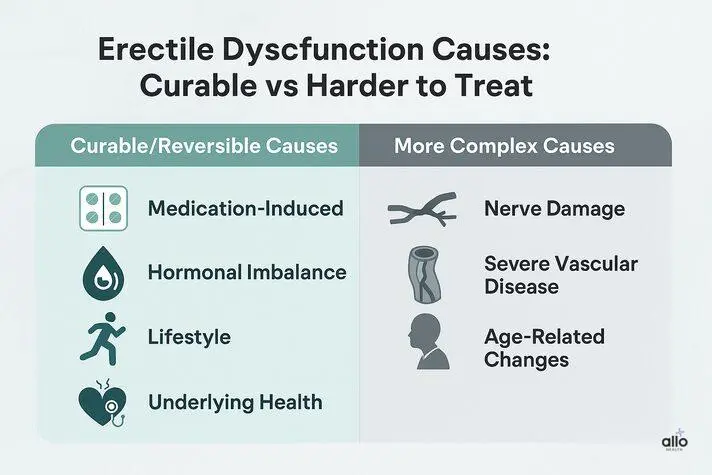
Several factors contribute to erectile dysfunction, and many men experience more than one cause at the same time.
Physical causes remain the most common. Conditions such as diabetes, high blood pressure, heart disease, obesity, and hormonal imbalance can interfere with blood flow or nerve signals needed for an erection. According to the National Institute of Diabetes and Digestive and Kidney Diseases, reduced blood circulation plays a major role in ED development.
Psychological factors also deserve attention. Stress, anxiety, depression, and relationship problems can block sexual response even when physical health is normal. The brain acts as the control center for arousal, and stress does not exactly send the right signals.
Lifestyle habits quietly contribute as well. Smoking damages blood vessels, excessive alcohol affects nerve function, and lack of physical activity weakens cardiovascular health. Over time, these habits increase the risk of ED.
Recognizing the Symptoms Early
The main symptom of erectile dysfunction involves difficulty achieving or maintaining an erection. However, other signs often appear alongside it.
Men may notice reduced sexual desire, difficulty sustaining erections during intimacy, or erections that feel weaker than before. Some men can achieve erections but lose them quickly. Others struggle only in certain situations, which may suggest psychological involvement.
Ignoring early symptoms delays treatment and may allow underlying health problems to progress. Early evaluation often leads to better outcomes.
Erectile Dysfunction Treatment Options
Modern erectile dysfunction treatment focuses on safety, effectiveness, and personalization. Doctors choose treatment plans based on cause, severity, and overall health.
Oral medications such as sildenafil and tadalafil remain the first-line treatment for many men. These medications improve blood flow to the penis and have strong clinical evidence supporting their use. The American Urological Association recognizes them as effective for a wide range of patients.
When oral medication does not work or is unsuitable, doctors may recommend injection therapy or vacuum erection devices. Clinical studies published in The Journal of Sexual Medicine confirm their success in selected cases.
Hormonal therapy may help men with low testosterone levels. Doctors confirm hormone deficiency through blood tests before starting treatment.
Psychological counseling plays an essential role when stress, anxiety, or depression contribute to ED. Treating the mind often improves physical response.
Erectile Dysfunction Treatment in Pakistan
Access to professional erectile dysfunction treatment in Pakistan has improved significantly. Men now have more options for confidential and medically supervised care.
Patients seeking erectile dysfunction treatment in Lahore and Multan can consult qualified urologists who offer diagnostic evaluation, medication, and advanced ED treatment options. Reputable clinics follow international guidelines and prioritize patient privacy.
ED treatment in Pakistan works best when men avoid self-medication and seek professional advice. Internet shortcuts rarely solve medical problems.
When Should You Consult a Doctor?
Men should consult a doctor if erectile dysfunction lasts longer than a few weeks or occurs frequently. ED can signal early heart disease, diabetes, or hormonal imbalance. The Mayo Clinic emphasizes that ED may act as an early warning sign of cardiovascular problems.
A medical consultation typically includes health history, medication review, lifestyle assessment, and basic testing if required. This approach ensures treatment targets the actual cause.
Separating Facts from Myths
Many myths surround ED and delay treatment. Erectile dysfunction does not mean loss of masculinity. It does not always result from aging. It does not always require lifelong medication.
Science-based ED treatment helps most men regain sexual function or significantly improve it. The key lies in choosing medically proven options instead of unverified remedies.
Final Thoughts
Erectile dysfunction feels frustrating, but it is manageable and often treatable. Understanding its causes, recognizing symptoms early, and choosing evidence-based treatment make a real difference.
Modern erectile dysfunction treatment focuses on restoring confidence, health, and quality of life. Men who seek help early usually achieve better results and peace of mind.
Silence never solves ED. Knowledge and proper care often do.


Discover Modern Comfort: A Guide to Apartment Rent in Beirut
Beirut, the lively capital of Lebanon, is a city that blends deep-rooted history with a mo…



Discover Modern Comfort: A Guide to Apartment Rent in Beirut
Beirut, the lively capital of Lebanon, is a city that blends deep-rooted history with …