

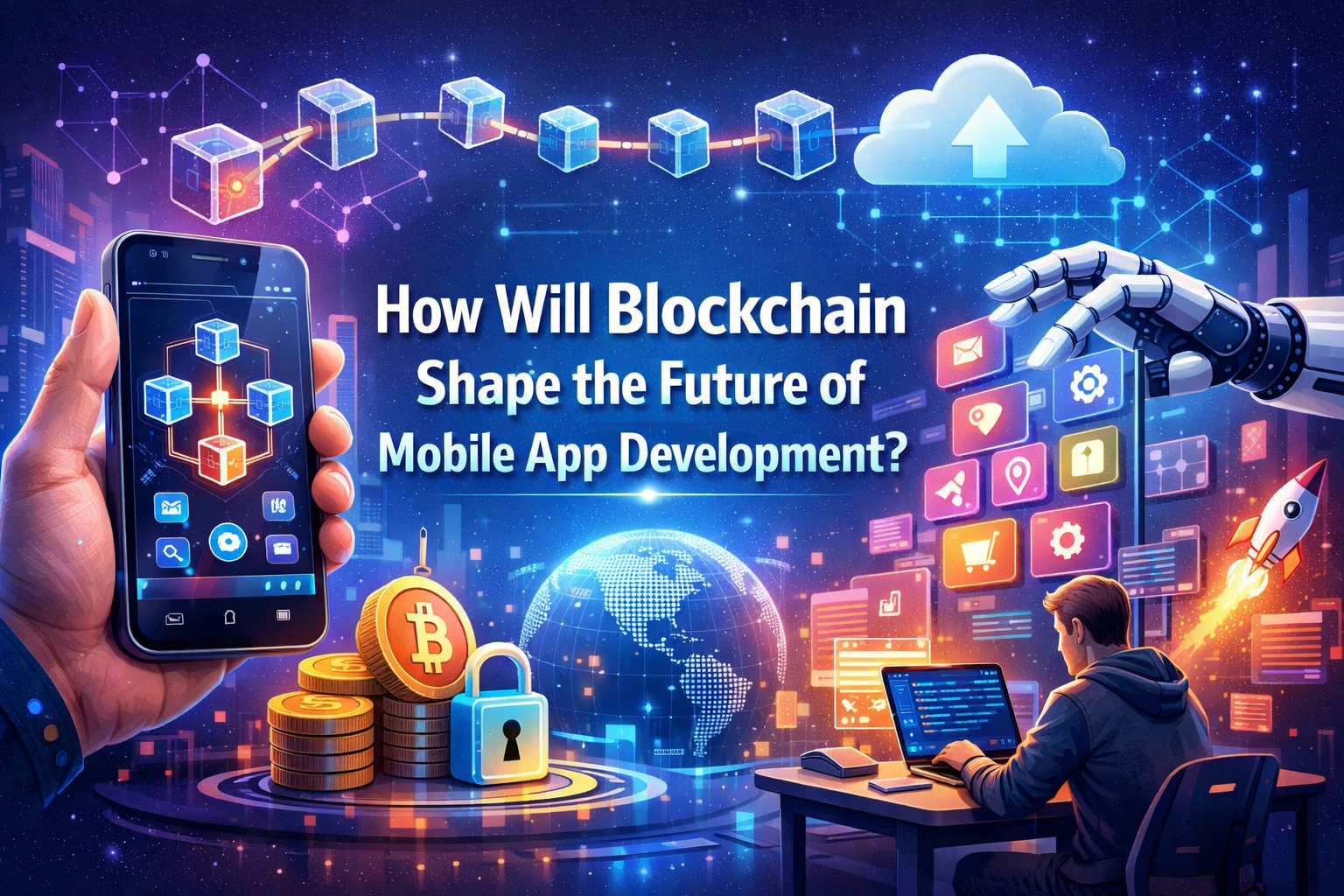
The mobile app industry has already transformed the way we communicate, shop, and work. However, the rise of blockchain technology promises to introduce a new level of trust, security, and transparency that can change the rules of app development. Developers and businesses are starting to rethink app architecture, data management, and user interaction as blockchain becomes more accessible.
What Makes Blockchain a Game-Changer for Mobile Apps?
Blockchain is a decentralized digital ledger that records transactions across multiple nodes. By removing central authorities, it allows users to interact directly with apps while maintaining security and privacy. Companies like RichestSoft provide blockchain mobile app development services, enabling mobile apps to achieve enhanced security, transparency, and reliability.
- Enhanced Security: Mobile apps often store sensitive information such as payment details or personal identifiers. Blockchain encrypts data and ensures that records cannot be modified without authorization.
- Transparent Transactions: Every interaction on a blockchain network is visible and traceable. This feature is especially beneficial for finance, e-commerce, and supply chain apps.
- Reduced Fraud: Decentralization minimizes the risk of hacking or manipulation, making apps more reliable for users and businesses.
By adopting blockchain, mobile apps can provide a trust layer that traditional databases cannot match.
How Can Developers Integrate Blockchain Into Mobile Apps?
Adding blockchain functionality to mobile apps requires a strategic approach. Developers need to decide which parts of the app will benefit from decentralization and how to maintain a smooth user experience.
Choosing the Right Blockchain Network
There are multiple blockchain networks available, including Ethereum, Solana, and Polkadot. Each network has its unique advantages:
- Ethereum: Offers a mature ecosystem with robust smart contract capabilities.
- Solana: Known for its high speed and low transaction fees.
- Polkadot: Enables interoperability between different blockchains, ideal for apps that need to interact with multiple networks.
Developers must consider scalability, speed, and cost when selecting a network.
Implementing Smart Contracts
Smart contracts are self-executing programs that run on blockchain networks. Mobile apps can use them to automate transactions, manage access controls, or enforce agreements. For example, a ride-sharing app could automatically release payment to a driver once the ride is complete, removing the need for a middleman.
Integrating Crypto Payments
Adding cryptocurrency as a payment option is one of the most visible ways blockchain impacts mobile apps. Apps in retail, gaming, or subscription services can accept crypto, offering users more flexibility and faster transactions.
What Industries Will Benefit Most From Blockchain Mobile Apps?
Blockchain has the potential to disrupt various industries, and mobile apps will play a central role in that transformation.
Finance and Banking
Blockchain mobile apps in finance can offer real-time payment processing, lower transaction fees, and improved security. Peer-to-peer lending platforms, mobile wallets, and investment apps benefit from the transparency and immutability of blockchain.
Healthcare
Healthcare apps can securely store patient data on blockchain, ensuring that sensitive information remains private while remaining accessible to authorized parties. This system reduces errors, prevents data tampering, and enables patients to control their medical records.
Supply Chain Management
Supply chain apps can track products from origin to delivery. Blockchain ensures authenticity and transparency, which is especially important for food, pharmaceuticals, and luxury goods. Customers can verify product history, and businesses can reduce losses caused by counterfeiting or theft.
Gaming and Entertainment
Blockchain introduces new possibilities for gaming apps, such as tokenized assets, NFTs, and secure in-game transactions. Players gain true ownership of virtual items, and developers can create new monetization methods without relying on centralized servers.
How Will User Experience Change With Blockchain Apps?
Many people assume blockchain adds complexity for users, but proper design can make interactions intuitive.
- Faster Authentication: Blockchain allows for secure identity verification without requiring passwords for every interaction.
- Direct Transactions: Users can make payments or transfers without intermediaries, which can simplify processes in finance, e-commerce, and peer-to-peer platforms.
- Data Control: Users can choose what information to share and with whom, giving them more control over privacy.
Designers must focus on smooth onboarding and clear instructions, ensuring that blockchain enhances usability rather than creating friction.
Also Read: How to Build a Blockchain Application: End-to-End Tech and Business Guide
What Challenges Do Developers Face With Blockchain Mobile Apps?
Despite its advantages, blockchain integration is not without obstacles.
- Scalability Issues: Some networks struggle with high transaction volumes, which can slow down app performance.
- Energy Consumption: Certain blockchain systems require significant computational power, raising concerns about environmental impact.
- Regulatory Uncertainty: Laws around cryptocurrencies and blockchain-based transactions are still evolving. Developers need to navigate these rules carefully to avoid legal complications.
Addressing these challenges requires innovation, careful network selection, and an understanding of the trade-offs between security, speed, and cost.
How Will Blockchain Mobile Apps Evolve in the Next Five Years?
The future of mobile app development with blockchain looks promising. Some likely trends include:
- Integration With IoT: Blockchain can secure data collected by smart devices, enabling apps that monitor health, home systems, and industrial operations.
- Tokenized Economies: Apps will increasingly reward users with tokens for engagement, participation, or contributions, creating new incentive structures.
- Cross-Platform Blockchain Networks: Developers will use interoperable networks to allow apps to operate seamlessly across multiple blockchain systems, enhancing versatility.
- Decentralized Social Platforms: Users will regain control over their data and content, reducing reliance on centralized social media platforms.
As blockchain technology matures, mobile apps will no longer just be tools for convenience—they will become platforms for trust, security, and new forms of digital interaction.
Conclusion
Blockchain technology is more than a buzzword; it offers mobile apps the ability to redefine security, transparency, and user interaction. From finance to gaming, healthcare to supply chain management, apps that integrate blockchain can create more secure, trustworthy, and efficient experiences. While challenges like scalability and regulation exist, the potential rewards are significant. Developers who adopt blockchain thoughtfully can position their apps at the forefront of a new digital era.




Discover Modern Comfort: A Guide to Apartment Rent in Beirut
Beirut, the lively capital of Lebanon, is a city that blends deep-rooted history with a mo…



Discover Modern Comfort: A Guide to Apartment Rent in Beirut
Beirut, the lively capital of Lebanon, is a city that blends deep-rooted history with …