

Fertilization is one of the most critical steps in achieving pregnancy.
For many couples facing infertility, this step does not happen naturally.
Medical advances have made it possible to overcome fertilization problems.
One such advanced method is ICSI treatment, which has helped thousands of couples worldwide.
What Is ICSI in Simple Terms?
ICSI stands for Intracytoplasmic Sperm Injection.
It is a specialized form of IVF.
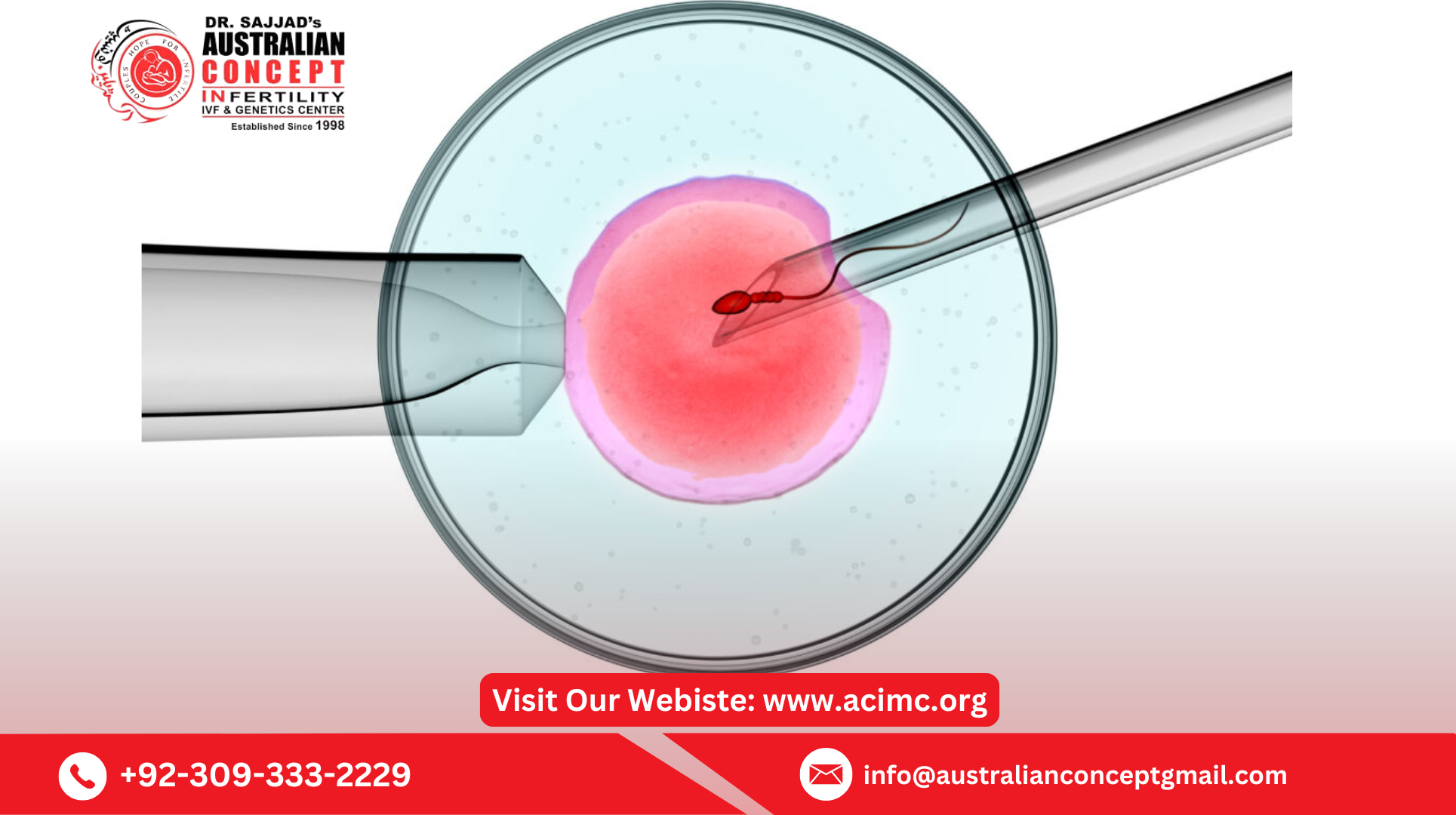
In this procedure, a single healthy sperm is injected directly into the egg.
This removes the need for sperm to swim and penetrate the egg on its own.
Because of this direct approach, fertilization rates are significantly improved.
Direct Sperm Injection Ensures Fertilization
In natural conception and conventional IVF, sperm must:
-
Reach the egg
-
Attach to the egg
-
Penetrate the egg
Many infertility cases fail at one of these steps.
ICSI skips all these barriers.
The sperm is placed inside the egg by an expert embryologist.
This greatly increases the chance that fertilization will occur.
Helps in Low Sperm Count Cases
When sperm count is very low, fertilization becomes difficult.
There may not be enough sperm to fertilize the egg naturally.
ICSI requires only one healthy sperm per egg.
Even a very small number of sperm can be used successfully.
This makes ICSI highly effective for severe male infertility.
Overcomes Poor Sperm Movement
Some sperm cannot swim properly.
They fail to reach or penetrate the egg.
With ICSI, sperm movement is no longer important.
The sperm does not need to swim at all.
This direct injection method ensures fertilization even with weak sperm.
Solves Problems with Abnormal Sperm Shape
Abnormally shaped sperm often cannot fertilize an egg.
Their structure prevents proper attachment or penetration.
During ICSI, the best-looking sperm is carefully selected.
It is then injected directly into the egg.
This selection process improves fertilization quality and success.
Useful After Failed IVF Cycles
Some couples experience fertilization failure during standard IVF.
This can be emotionally distressing.
ICSI improves outcomes by:
-
Reducing fertilization failure
-
Increasing the number of fertilized eggs
-
Providing better control over fertilization
Many couples conceive successfully after switching to ICSI.
Improves Fertilization in Egg-Related Issues
Sometimes eggs have a hard outer shell.
This makes it difficult for sperm to enter.
ICSI bypasses this issue completely.
The sperm is injected directly into the egg’s center.
This technique is especially helpful in older women or poor egg quality cases.
Effective with Frozen Sperm or Eggs
Frozen sperm may lose movement after thawing.
Frozen eggs may also be harder to fertilize naturally.
ICSI improves fertilization chances by:
-
Using immobile but healthy sperm
-
Reducing damage during fertilization
-
Increasing success with preserved samples
This makes it ideal for fertility preservation cases.
Reduces the Risk of Fertilization Failure
One of the biggest advantages of ICSI is predictability.
Doctors know that sperm has entered the egg.
This significantly lowers the risk of:
-
No fertilization
-
Cycle cancellation
-
Emotional stress
Higher fertilization rates lead to more embryos for transfer.
Supports Advanced Fertility Testing
ICSI is often used with genetic testing procedures.
Controlled fertilization helps maintain embryo quality.
This improves the chances of selecting healthy embryos.
It also supports safer and more effective treatment planning.
Final Thoughts
ICSI has transformed fertility treatment in Pakistan outcomes.
By directly injecting sperm into the egg, it removes many natural barriers to fertilization.
This method is especially helpful in male infertility, failed IVF, and complex cases.
It offers higher fertilization rates and better control.
A detailed fertility evaluation is important before choosing this treatment.
With expert guidance, ICSI can bring many couples closer to parenthood.
Discover Modern Comfort: A Guide to Apartment Rent in Beirut
Beirut, the lively capital of Lebanon, is a city that blends deep-rooted history with a mo…



Discover Modern Comfort: A Guide to Apartment Rent in Beirut
Beirut, the lively capital of Lebanon, is a city that blends deep-rooted history with …