

When a customer sees a product for the first time, the mind makes a quick judgment. Packaging design plays a role in creating a first impression. People often decide whether to buy a product within seconds and the look of packaging can affect the decision. Colors, layouts, and labels are part of this. Small elements like the shape of a box or material can send a message about a product. When someone picks up a product with a clear design, curiosity and trust appear even before reading the label. Brands focus on how products appear on shelves because a good first impression can lead to sales.
How does packaging influence customer buying decisions?
Packaging influences customers visually and psychologically. Colors make people feel a certain way. Blue shows trust, red creates excitement. Shapes and sizes also affect choice. Rounded edges feel safe, sharp angles feel serious. Material can affect perception—cardboard suggests responsibility while plastic suggests strength. Sometimes, customers choose products because packaging attracts attention. Impulse buying often starts with the look of the product.
Placement of product also matters. For example, products at eye level sell faster than products on lower shelves. Labels that show key benefits clearly make customers feel confident about choice. Marketing in the USA and worldwide uses data from these observations to design packaging that guides customer behavior. Well-designed packaging acts as a silent guide showing product value and guiding choice.
What role does packaging play in brand recognition?
Packaging helps customers remember brands. Consistent colors, fonts and layout across products make the brand recognizable. Favorite chocolates or cosmetics are examples where packaging helps recognition even from a distance. This memory leads to repeat purchase. Brands that keep packaging the same across products gain stronger recognition. Every time a customer sees a familiar design, brand awareness grows.
Logos, symbols or repeated patterns strengthen recognition further. Customers start to associate product quality with visual appearance and consistency plays a role in creating trust. Packaging becomes part of brand identity. Strong recognition often makes decisions faster because customers feel familiar with the product before picking it up.
How can packaging communicate product quality?
Packaging communicates product quality without words. Solid boxes suggest value. Smooth surfaces, clear logos, and good ink indicate care. Small touches such as magnetic closures or protective inserts show effort in production. Packaging sends the message that the product is worth money. Customers link packaging quality with product inside. If packaging looks simple or damaged, customers may doubt quality. Materials, surface finish and design combine to show seriousness and attention. Even basic products can look professional when packaged with care. Buyers often judge the product before opening the box, showing packaging acts as a silent communicator of quality.
Why do custom boxes make a difference?
Unique shapes, openings or cutouts attract attention. They give product identity and create curiosity. Custom styles of boxes help brands appear unique. Customization reflects brand personality, showing clear purpose. When customers see something different, they feel interested. Custom colors, finishes or shapes make products stand out among similar products. Custom designs also allow functional elements like handles, compartments or closures that improve usability. Brands using custom styles show thoughtfulness, helping customers remember brands. Small changes such as flap shape or window cutout can make a difference in crowded stores. Custom design is not only about appearance but also about experience and impression left on customers.
How does packaging help in differentiating products from competitors?
In crowded markets, standing out matters. Packaging separates product from other options on shelf. Colors, shapes, features like QR codes, or interactive elements attract attention. Limited edition packaging adds perception of exclusivity, making customers feel the product is special. Packaging can communicate value, uniqueness or target market without using words.
Differentiation increases chances that customers pick products over competitors. Even simple details like box closure, texture or layout influence perception. Packaging is part of the product story and provides competitive advantage in retail and online platforms. Brands using clever design often see an increase in first-time purchases because the product appears more noticeable and intentional.
Can packaging improve product usability and convenience?
Packaging can improve usability. Easy-open boxes, resealable packs, or portioned packs make handling products easier. Customers remember products that are simple to use and return for repeat purchases. Convenience increases satisfaction and promotes sharing experience with others. Companies like UPacked provide solutions for such boxes, helping brands communicate identity while keeping packaging useful.
Handles, pull tabs or instructions simplify use. Functionality reduces frustration, especially for products used frequently. Packaging that adds convenience acts as a silent tool, promoting loyalty and repeated engagement. Simple changes in design often result in better experience without additional cost. Packaging design therefore impacts both perception and practical usability, improving long-term value for the brand.
How can storytelling in packaging increase engagement?
Packaging can tell a story to customers. Design can show origin of ingredients, process of making product, or brand values. Storytelling creates a connection between product and customer. Customers share products with interesting packaging stories on social media, giving brands exposure.
A package becomes an experience rather than a box. Using visuals, symbols, or short text can tell a story without overwhelming it. Story elements in packaging build loyalty and repeat engagement because customers feel included in the product journey. Thoughtful packaging often sparks conversation, making the product memorable. Storytelling combined with function increases engagement and brand recognition, benefiting marketing in store and online.
Why should businesses consider Custom Boxes for branding?
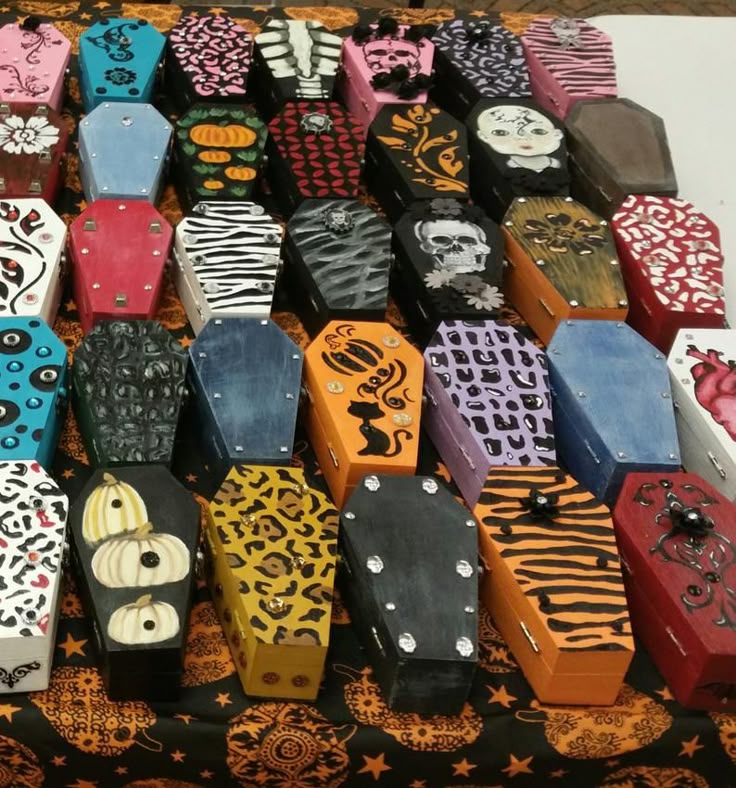
Businesses can benefit from custom boxes. Boxes allow brands to place logos clearly and naturally. The logo on the box shows brand identity without overcrowding design. For small businesses or startups, these custom coffin boxes with logos make products appear professional and attract attention. Surfaces or colors create distinction in stores or online.
Even simple logo placement on a strong box improves recognition and perception, showing customers the brand is careful and serious about presentation. Businesses that invest in such packaging can create consistent and recognizable presence across product range.
How does consistent packaging across product lines boost credibility?
Consistency in packaging builds trust. When products share fonts, colors, and layout, customers recognize brands faster. The same design shows care and reliability. Brands with consistent packaging build repeat customers and increase loyalty. Familiarity reduces doubt and encourages trial of new products because customers know what to expect. Visual uniformity reinforces professional image. Cohesive packaging design supports brand story, making communication with customers stronger. Consistency is part of overall brand strategy and signals seriousness in business practices.
Discover Modern Comfort: A Guide to Apartment Rent in Beirut
Beirut, the lively capital of Lebanon, is a city that blends deep-rooted history with a mo…



Discover Modern Comfort: A Guide to Apartment Rent in Beirut
Beirut, the lively capital of Lebanon, is a city that blends deep-rooted history with …