

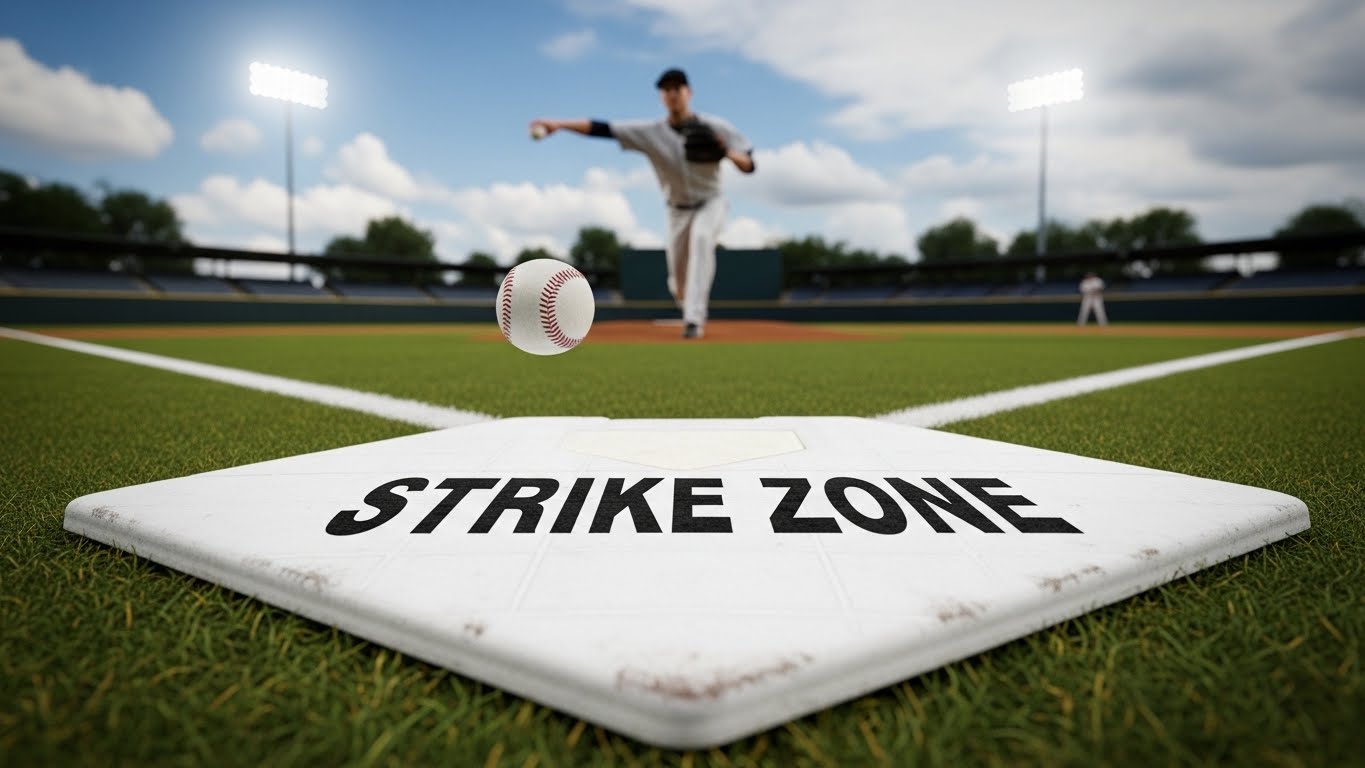
Baseball’s evolution from instinct-based training to data-driven development has transformed how pitchers master their craft. At the center of this revolution sits a deceptively simple yet profoundly important piece of equipment strike zone home plate. When combined with modern pitch location feedback systems, this fundamental training tool becomes the foundation for measurably superior training outcomes. Understanding how immediate, accurate feedback about pitch placement accelerates pitcher development reveals why elite programs at every competitive level now prioritize location-focused training built around precise strike zone targets.
The Science of Feedback-Enhanced Motor Learning
Motor learning research has consistently demonstrated that immediate, specific feedback dramatically accelerates skill acquisition compared to delayed or general feedback. A landmark study published in the Journal of Motor Behavior found that athletes receiving immediate performance feedback improved technical skills 60% faster than control groups relying solely on coach observations and delayed video review.
For pitchers, this principle translates directly to location training. When a pitcher receives instant feedback about where a pitch crossed the plate relative to intended targets, the brain can immediately correlate the mechanical execution with the outcome. This rapid feedback loop accelerates the development of muscle memory and proprioceptive awareness that separates elite command pitchers from those who struggle with consistency.
Traditional training methods provided only general location feedback—”that was high” or “you missed inside”—often delivered seconds or minutes after the pitch. This delay disrupts the neurological connections between movement patterns and outcomes, significantly slowing skill development. Modern systems using a strike zone home plate with integrated tracking or target zones provide the immediate, precise feedback that optimizes motor learning.
Technology Integration with Strike Zone Training
Contemporary pitch location feedback systems range from simple visual targets to sophisticated electronic tracking technologies, all built around the plate as their reference point. Even basic systems using colored zones painted or attached to catchers’ equipment provide meaningful improvement over no visual feedback, but more advanced approaches deliver superior results.
Pitching mats with embedded targets and corresponding catcher’s targets create visual alignment that helps pitchers develop spatial awareness of the strike zone’s three-dimensional boundaries. Research from Driveline Baseball, a leading pitching development facility, shows that pitchers training with visual target systems improve location accuracy by an average of 23% over eight-week training periods compared to 11% improvement for control groups using traditional methods.
Electronic tracking systems like Rapsodo, TrackMan, and Yakkertech provide the most comprehensive feedback by measuring exact pitch location as it crosses the strike zone home plate along with velocity, spin rate, and movement characteristics. These systems display results immediately on tablets or monitors, allowing pitchers to see precise data about every pitch within seconds of release.
The integration of multiple feedback modalities—visual targets on the plate, catcher positioning, and electronic measurement—creates redundant information pathways that reinforce learning. Pitchers develop better command by seeing where they’re trying to throw, feeling the mechanical execution, and immediately confirming the result through multiple feedback channels.
Developing Pitch Command Through Targeted Practice
Elite pitching coaches distinguish between simply throwing strikes and commanding specific locations within the strike zone. True command means consistently hitting precise targets—low and away to right-handed hitters, up and in to lefties, or painting the black on either edge. This level of precision requires thousands of repetitions with immediate feedback about success or failure for each attempt.
Structured training programs using a strike zone home plate divide the zone into specific target areas—typically a 3×3 or 4×4 grid creating nine or sixteen distinct locations. Pitchers practice hitting each location systematically, receiving immediate feedback about accuracy. This deliberate practice approach, supported by feedback systems, builds location-specific motor patterns far more effectively than simply throwing to random areas.
Data from college baseball programs implementing target-based training shows measurable improvements in game performance. A three-year study following Division I pitchers found that those who completed structured location training using strike zone targets improved their strike percentage by an average of 4.8% and reduced walks per nine innings by 0.7 compared to baseline performance—statistically significant improvements that translate to meaningful competitive advantages.
Psychological Benefits of Immediate Feedback
Beyond the neurological advantages for motor learning, immediate pitch location feedback provides psychological benefits that enhance training effectiveness. Pitchers develop greater confidence when they can see objective evidence of improvement, creating positive reinforcement loops that motivate continued practice and skill development.
The strike zone home plate with clear target zones transforms abstract concepts like “better command” into concrete, measurable outcomes. Instead of wondering whether they’re improving, pitchers see definitive data showing increasing percentages of pitches hitting intended targets. This tangible progress measurement sustains motivation through the inevitable plateaus that occur during skill development.
Sports psychology research indicates that athletes who receive regular performance feedback demonstrate 35% better training adherence and 28% greater practice intensity compared to those without objective progress measurements. For pitchers, this enhanced engagement during training sessions compounds over months and years into substantially superior development outcomes.
Correcting Mechanical Issues Through Location Data
Pitch location patterns often reveal mechanical inconsistencies that might not be apparent through visual observation alone. A pitcher consistently missing high might have release point issues, while a pattern of missing arm-side could indicate insufficient hip rotation or poor glove-side stability. When training incorporates a strike zone home plate with systematic feedback tracking, these patterns become obvious, allowing coaches and pitchers to identify and address root causes efficiently.
Modern video analysis systems can overlay pitch location data onto video footage of delivery mechanics, creating powerful diagnostic tools. Coaches can review video showing exactly where a pitch crossed the plate while simultaneously observing the mechanical execution that produced that result. This combined analysis accelerates the identification of mechanical adjustments needed to improve command.
Biomechanics laboratories at facilities like the American Sports Medicine Institute use this integrated approach to help pitchers optimize mechanics for location control. Their research demonstrates that pitchers who train with combined video and location feedback reduce mechanical inconsistencies 40% faster than those using video analysis alone.
Youth Development and Foundation Building
The benefits of location feedback training prove particularly significant for youth pitchers developing foundational skills. Young athletes often struggle to conceptualize the strike zone’s three-dimensional boundaries and lack the proprioceptive awareness to consistently repeat release points. Training systems using a strike zone home plate with clear visual targets provide concrete references that accelerate understanding and skill development.
Youth baseball organizations including USA Baseball and Perfect Game recommend location-focused training for players as young as 9-10 years old. Age-appropriate strike zone targets scaled to youth dimensions help young pitchers develop command fundamentals during critical developmental windows. Research tracking youth pitchers’ development shows that those who begin location training before age 12 demonstrate significantly better command metrics by high school compared to late-starters, suggesting early exposure creates lasting advantages.
The immediate feedback aspect proves especially valuable for youth pitchers whose attention spans and frustration tolerance are still developing. Seeing clear visual confirmation of successful pitch placement provides satisfying reinforcement that maintains engagement during repetitive practice sessions.
Bullpen Session Optimization
Traditional bullpen sessions often lack structure and specific objectives beyond “throwing strikes” or “working on secondary pitches.” When pitchers incorporate a strike zone home plate with systematic location goals and feedback tracking, bullpen sessions become dramatically more productive training opportunities.
Structured bullpen protocols might include sequences like: 10 fastballs low and away, 10 fastballs up and in, 10 changeups low in the zone, 10 breaking balls down and away—with location feedback recorded for each pitch. This systematic approach ensures pitchers practice all necessary locations rather than gravitating toward comfortable spots, while feedback data quantifies improvement over time.
Professional organizations increasingly mandate structured bullpen sessions using location tracking. Major League teams report that pitchers using systematic bullpen protocols with feedback systems require fewer total pitches to maintain command between starts while demonstrating better in-game location consistency compared to historical norms.
Game Preparation and Scouting Integration
Advanced training programs integrate opponent scouting data with strike zone home plate location training. Pitchers practice hitting specific locations that exploit individual hitters’ weaknesses identified through video analysis and statistical research. This targeted preparation, guided by immediate feedback during practice, translates directly to game performance advantages.
For example, if scouting reveals that an upcoming opponent’s cleanup hitter struggles with elevated fastballs but crushes breaking balls in the lower third of the zone, the pitcher can dedicate bullpen time to mastering high fastball location using targets and feedback systems. This specific preparation builds confidence and reinforces the mechanical adjustments needed to execute the game plan successfully.
Cost-Effective Implementation Across Competitive Levels
One of the most compelling aspects of location feedback training involves its scalability across budgets. While professional organizations invest in sophisticated electronic tracking systems costing tens of thousands of dollars, effective location training using a strike zone home plate with basic visual targets and manual tracking can be implemented for minimal cost.
High school and youth programs with limited budgets can create effective training environments using painted strike zones, target nets, and simple spreadsheets to track location data. The fundamental principle—immediate feedback about pitch location relative to intended targets—drives improvement regardless of technological sophistication. This accessibility democratizes advanced training methodologies previously available only to elite programs.
Measuring Training Effectiveness
Programs implementing location feedback training should establish metrics to evaluate effectiveness and guide ongoing refinement. Key performance indicators include: percentage of pitches hitting intended targets, improvement rate over time, strike percentage in games, walks per nine innings, and quality strike percentage (strikes in locations that generate favorable outcomes).
Tracking these metrics creates accountability and allows data-driven decisions about training program modifications. If location accuracy improvements during practice don’t translate to better game performance, coaches can adjust training protocols to better simulate competitive pressure or address psychological barriers to command under stress.
Advanced Training Progressions
Elite pitcher development programs structure location training in progressive difficulty levels that systematically build command capabilities. Initial training focuses on consistently hitting anywhere within the strike zone home plate boundaries. Once pitchers achieve 70-75% strike rates, training advances to quadrant targeting—consistently hitting upper versus lower half, or inside versus outside edges.
The next progression involves nine-zone targeting where pitchers must hit specific corners and edges with increasing consistency. Elite-level training incorporates sequencing exercises where pitchers must hit multiple different locations in planned sequences, simulating game situations where pitch location must vary strategically based on count and batter tendencies.
This structured progression, guided by objective feedback data, ensures pitchers develop command capabilities methodically rather than randomly. Research from professional pitcher development programs shows that systematic progression training produces command improvements 50% faster than unstructured approaches while reducing injury risk by preventing pitchers from attempting advanced location skills before mastering fundamental consistency.
Conclusion
The integration of pitch location feedback with strike zone home plate training represents a fundamental advancement in pitcher development methodology. By leveraging motor learning principles, modern technology, and structured practice protocols, this approach delivers measurably superior training outcomes compared to traditional methods. Pitchers at every competitive level—from youth athletes building foundational skills to professional players refining elite command—benefit from the immediate, precise feedback that accelerates skill acquisition and builds the consistency that separates good pitchers from great ones.
As tracking technology becomes more affordable and accessible, and as coaching education increasingly emphasizes evidence-based training methods, location-focused development will continue expanding across baseball. Programs that embrace this approach gain competitive advantages through pitchers who command their arsenals with precision, exploit opponent weaknesses systematically, and perform consistently under pressure.
Discover Modern Comfort: A Guide to Apartment Rent in Beirut
Beirut, the lively capital of Lebanon, is a city that blends deep-rooted history with a mo…



Discover Modern Comfort: A Guide to Apartment Rent in Beirut
Beirut, the lively capital of Lebanon, is a city that blends deep-rooted history with …