

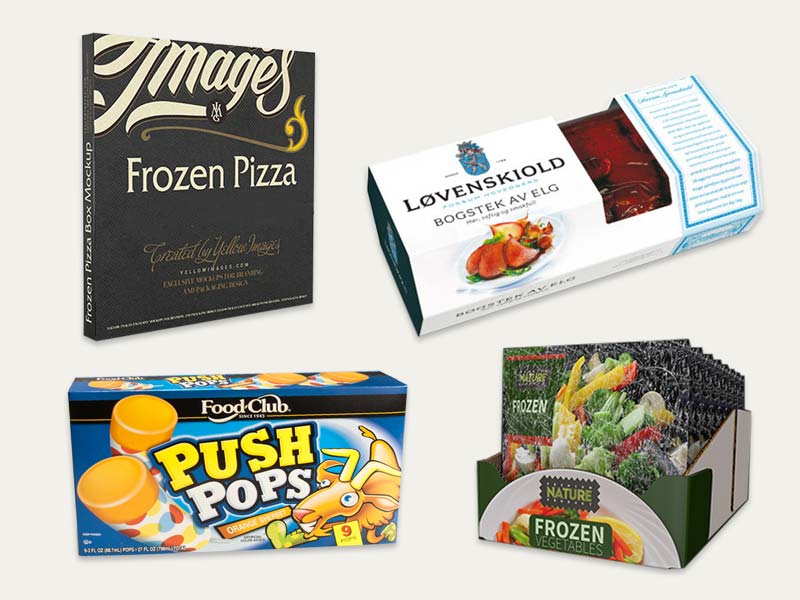
Frozen food is placed quietly behind glass doors, covered in ice and labels. People cannot smell or touch it. They cannot see texture or freshness clearly. As a result, trust becomes the most significant reason behind a purchase. A shopper often stands in front of a freezer and decides within seconds. They look at color, text, images, and clarity. If the package looks weak or confusing, doubt enters the mind. If the package looks clear and honest, confidence grows. Trust matters because frozen food stays sealed for weeks or months. Buyers want proof that food stayed safe the whole time. Packaging becomes the silent voice that speaks for the product. When that voice feels reliable, people feel comfortable placing the product in their cart.
How Does Smart Packaging Help Shoppers Feel Safe?
Smart packaging gives clear answers without words becoming heavy. It uses clean layouts, readable fonts, and simple signs. A shopper understands storage needs, expiry details, and food type quickly. This reduces fear. When a package explains things calmly and clearly, people feel guided instead of pushed. Smart packaging also avoids clutter. Too many claims confuse buyers. A clean design helps the brain relax. When people feel relaxed, trust grows naturally. Smart design shows care. It shows that the brand thought about the buyer’s experience. This feeling of care matters more in frozen food because safety is always on the mind.
What Role Does Material Choice Play in Building Confidence?
Material choice sends a message before words are read. Thick and strong packaging feels safe. Weak material creates doubt about quality. Frozen products face moisture, cold, and long storage. Packaging uses materials that resist tears and freezer burn. Strong packaging protects the shape and taste of food. This protection shows brand values and food quality. Shoppers sense when packaging has purpose. Hands feel confident while holding the product. Material communicates safety silently. Good material ensures the product remains in its original condition. Shoppers can trust the food quality during storage. Material choice builds comfort and reliability over time in frozen food products.
How Do Clear Labels Reduce Doubt in Frozen Food?
Labels guide buyers while shopping quickly. Clear labels explain food type, cooking, and storage. Smart packaging places information in easy-to-find positions. Shoppers do not need to search. Simple words prevent confusion. Clear labels reduce mistakes at home while cooking. Buyers remember positive experiences. Trust builds gradually when expectations match results. Repeated positive interactions create loyalty. Clear labels make decisions faster and safer. Buyers feel respected and confident. They trust products without needing assistance. Packaging becomes a silent helper. Honest labeling prevents misunderstanding. Buyers associate clarity with quality and repeat purchase decisions increase naturally.
Why Do Colors and Images Affect Buyer Belief?
Colors and images communicate faster than words. Cool colors suggest freshness and clean feel. Warm colors show comfort food. Packaging uses colors matching food type. Images reflect actual products, not exaggerated views. Real images show honesty. Shoppers expect cooked products to match the picture. When expectation matches reality, trust grows. Buyers learn which package feels truthful. Honest visuals create silent understanding. Shoppers rely on colors and photos to decide quickly. Proper images and color schemes make food trustworthy. Misleading images decrease confidence. Packaging plays an important role in shaping initial belief about product quality.
How Does Packaging Design Support Food Safety Perception?
Food safety cannot be seen directly, but packaging makes safety visible. Sealed edges, closures, and frost-resistant layers communicate protection. Strong seals make buyers feel the product is untouched. Safety signs guide without fear. Calm design increases trust naturally. Custom food boxes show that the product stays safe from production to shelf. Buyers sense security while examining packages. Proper packaging reduces doubts about quality. Design gives a silent message of protection. Careful placement of instructions ensures safe handling. Safety perception affects repeat purchase. Shoppers are more willing to buy food when a package communicates protection. Trust grows without extra words or claims.
What Makes Smart Packaging Feel Honest to Buyers?
Honesty comes from simplicity. Packaging avoids over-promising claims. Text explains food clearly and fairly. Layout respects space and avoids overload. Buyers feel no pressure while deciding. Transparency builds belief over repeated interactions. Small details, such as ingredient placement, reinforce confidence. Shoppers understand products quickly. Control creates trust in frozen food. Honest packaging reduces stress while selecting items. Buyers sense brand care. Information placement supports clarity. Clear packaging communicates reliability silently. Trust comes from understanding, not persuasion. Honest design encourages positive perception and repeat purchase. Buyers remember practical and clear product presentations.
How Does Consistency in Design Build Long-Term Trust?
Consistency creates familiarity. Packaging with stable elements builds recognition. Fonts, colors, and layout remain uniform. Shoppers find products faster. Familiarity reduces mental effort during shopping. Reduced effort creates comfort and silent belief in quality. Consistency shapes habit formation. Buyers return to recognized brands without thinking. In frozen food aisles with many choices, familiarity guides selection. Design maintains visual identity across products. Repeated experience strengthens trust naturally. Shoppers learn which brands are reliable. Consistent packaging supports confidence across multiple product lines. Trust in frozen products grows silently when visual identity remains predictable and steady.
How Can Smart Packaging Support New Frozen Brands?
New brands face challenges in gaining trust. Buyers hesitate to try unknown products. Packaging communicates confidence. Clear structure shows understanding of storage, safety, and food type. A well-designed package gives the impression of an established brand. First impressions matter. Buyers trust thoughtful presentations. Smart packaging bridges the gap between curiosity and trust. New products can feel safe through clear visual cues. Proper arrangement of information guides choice. Packaging reduces perceived risk for first-time buyers. Design ensures quality messages reach buyers without words. Experience becomes comfortable, and the brand earns loyalty silently over time with repeat positive interactions.
Where Does Storytelling Fit into Frozen Packaging Design?
Small stories create connections with buyers. Short sentences about sourcing or preparation makes food personal. Packaging communicates care subtly. The story does not interfere with safety or instructions. Shoppers relate to the story emotionally. A parent once chose food because the package mentioned family time. The experience felt personal. The story adds meaning and context. Buyers feel understood by brand. Emotional comfort increases trust. Packaging supports practical purposes while shaping perception. Words and visuals together guide shopper decisions. The story strengthens the silent message of reliability. Buyers remember products that show personal experience through concise storytelling on the package.
How Do Businesses Choose Reliable Packaging Partners?
Businesses require partners understanding frozen product needs. Temperature, storage, and transport affect packaging performance. Working with an experienced provider avoids damage or doubt. Options such as custom frozen food packaging boxes combine structure and clarity. Packaging partner ensures materials, labels, and closures meet requirements. Food reaches the shelf safely without compromise. Experienced providers help brands present products confidently. Packaging becomes an extension of brand integrity. Buyers notice practical design. Partner selection supports trust before the product reaches the shelf. Proper guidance helps avoid mistakes in frozen food packaging.
How Does Smart Packaging Shape Future Buyer Loyalty?
Trust does not end after first purchase. Smart packaging encourages loyalty over time. Food stays safe, easy to cook, and matches expectations. Buyers return to the brand naturally. Design plays a role in repeated positive experiences. Details such as easy-open edges matter. Packaging builds memory of comfort and reliability. Brands like Packlim focus on function and layout. Proper design communicates quality and safety. Even small thoughtful elements create lasting impressions. Over time, loyalty grows across regions, including Canada. Packaging becomes a quiet messenger of brand promise. Proper design ensures the product remains trustworthy. Buyers develop habits and return without doubt.
Discover Modern Comfort: A Guide to Apartment Rent in Beirut
Beirut, the lively capital of Lebanon, is a city that blends deep-rooted history with a mo…



Discover Modern Comfort: A Guide to Apartment Rent in Beirut
Beirut, the lively capital of Lebanon, is a city that blends deep-rooted history with …