

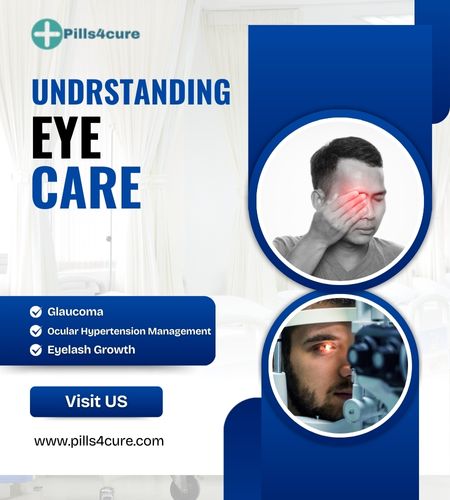
Glaucoma is one of the most common eye conditions affecting millions worldwide, and understanding glaucoma meaning is essential for preserving vision. At its core, Glaucoma refers to a group of eye diseases that damage the optic nerve, often due to increased pressure inside the eye. This pressure, known as intraocular pressure, can lead to progressive vision loss if not detected and managed early. One of the first steps in managing glaucoma is recognizing glaucoma symptoms, such as gradual loss of peripheral vision, seeing halos around lights, and blurred vision. Modern glaucoma eye drops, advanced imaging tools, and digital monitoring have made early detection and ongoing care more effective than ever. From diagnosing open angle glaucoma to tailoring personalized glaucoma treatment plans, technology has truly reshaped how eye care professionals and patients approach this condition.
Across the UK, major cities such as London, Manchester, Birmingham, Glasgow, and Cardiff report significant numbers of people living with glaucoma, reflecting its impact in both urban and rural settings. The advent of new technologies makes it possible for more people in these cities and beyond to receive timely diagnosis and care, minimizing the risk of irreversible vision loss.
What Is Glaucoma and What Causes It?
To grasp how technology is transforming care, it’s important to first understand what glaucoma is and what causes glaucoma. Although the exact cause varies by type, increased fluid pressure in the eye is a major factor. Normally, fluid (aqueous humor) circulates through the eye and drains out through a mesh-like channel. When this drainage becomes inefficient, pressure builds up, damaging the optic nerve.
There are different types of glaucoma, including:
- Open Angle Glaucoma – the most common form, developing slowly with few early symptoms.
- Angle-Closure Glaucoma – occurs when the drainage angle between the cornea and iris closes suddenly, causing rapid pressure increase.
- Normal-Tension Glaucoma – where optic nerve damage occurs even with normal eye pressure.
- Secondary and Congenital Glaucoma – linked to other conditions or present at birth.
Understanding the type helps clinicians decide the best approach for glaucoma treatment, whether through medication, laser therapy, or surgery.
Technology in Early Detection and Diagnosis
One of the most important ways technology has transformed glaucoma care is through early detection. Traditional eye exams can measure eye pressure and inspect the optic nerve, but newer tools provide much more detailed insights.
Optical Coherence Tomography (OCT) is a non-invasive imaging test that produces high-resolution cross-sectional images of the retina and optic nerve. This allows doctors to detect minute changes in nerve fiber thickness even before vision loss becomes noticeable. In cities like London and Manchester, many eye clinics now use OCT as a standard part of glaucoma screening.
Automated Perimetry tests the visual field and detects blind spots that may be developing due to glaucoma. These tech-driven tests are more sensitive than older methods and can track subtle changes over time.
Artificial Intelligence (AI) tools are also emerging, helping clinicians analyze imaging data quickly and accurately. AI can flag suspicious changes that may escape the human eye, helping with earlier intervention and continuous monitoring.
Telemedicine and Remote Monitoring
Telemedicine has become a vital part of glaucoma care, especially for patients who live far from major eye centers in Birmingham or Glasgow. Virtual consultations allow eye care professionals to review patient history, symptoms, and imaging results without requiring an in-person visit.
Some clinics offer remote monitoring apps and devices that patients can use at home to track their eye pressure or visual fields. These technologies allow clinicians to monitor trends and intervene sooner if changes are detected. This approach is particularly helpful for older adults or those with limited mobility, ensuring they stay engaged in their care plan.
Advanced Treatments and Medication Management
Technology isn’t limited to diagnosis — it plays a central role in treatment too. While laser procedures and surgeries have been refined with improved imaging and surgical tools, medications remain a cornerstone of glaucoma treatment.
Glaucoma medication often comes in the form of eye drops that lower intraocular pressure. One such option is Lumigan 0.01 Eye Drops, which helps increase fluid outflow from the eye to reduce pressure. Correct and consistent use of glaucoma eye drops is crucial to slowing disease progression.
How to apply eye drops correctly:
- Wash your hands before use.
- Tilt your head back and gently pull down your lower eyelid.
- Place one drop into the eye, avoiding contact with the eyelid or lashes.
- Close your eye and press gently on the inner corner for a minute to help absorb the medication.
Always follow your doctor’s instructions for timing and dosage.
Where to Buy Glaucoma Medication Online
With the rise of digital pharmacies, patients can now refill prescriptions conveniently from home. Online options like Pills4Cure offer a way to order glaucoma medications, including Lumigan 0.01 Eye Drops, with home delivery.
Benefits of buying glaucoma medication online:
- Convenience: Order from home without visiting a pharmacy.
- Refill reminders: Many sites provide alerts to help you never miss a dose.
- Discreet packaging and delivery: Medications arrive in plain, secure packaging.
- Competitive pricing: Online pharmacies often offer savings and discounts.
It’s important to ensure that any online provider requires a valid prescription and follows safety standards to protect your health.
Lifestyle and Preventive Technologies
While medical treatment is essential, lifestyle and supportive technologies also matter. Apps that help schedule eye exams, remind you to take medication, or provide information on eye health can improve patient engagement. Wearable devices that track activity or alert you to vision changes may also become a part of comprehensive glaucoma care in the future.
Healthy habits like managing blood pressure, avoiding smoking, and wearing protective eyewear during activities that risk eye injury play a role in prevention and overall eye health.
Is Glaucoma Curable?
A common question many people ask is, “Is glaucoma curable?” Unfortunately, glaucoma cannot be fully cured, but early detection and ongoing glaucoma treatment can prevent or slow further vision loss. With modern technology and consistent medical management, many patients can maintain good quality of life and preserve functional vision for years.
Conclusion
- Technology has revolutionized early detection: Tools like OCT and AI help find glaucoma before significant vision loss occurs.
- Remote care expands access: Telemedicine and at-home monitoring increase patient engagement and ongoing supervision.
- Advanced treatments are more precise: Laser and surgical tools, guided by imaging technology, enhance outcomes.
- Medication management is easier: Options like Lumigan 0.01 Eye Drops and online pharmacies like Pills4Cure make treatment accessible and convenient.
- Ongoing care preserves vision: While glaucoma isn’t curable, combining technology with regular checkups, medication, and healthy habits offers the best chance to protect eyesight.
By understanding the role of technology in glaucoma care — from early screening in London, Manchester, Birmingham, Glasgow, and Cardiff to advanced treatments and online medication access — patients and clinicians can work together to manage this complex eye condition effectively. Regular eye exams and adopting new tools in glaucoma management are vital steps in maintaining lifelong eye health.




Discover Modern Comfort: A Guide to Apartment Rent in Beirut
Beirut, the lively capital of Lebanon, is a city that blends deep-rooted history with a mo…


Discover Modern Comfort: A Guide to Apartment Rent in Beirut
Beirut, the lively capital of Lebanon, is a city that blends deep-rooted history with …