

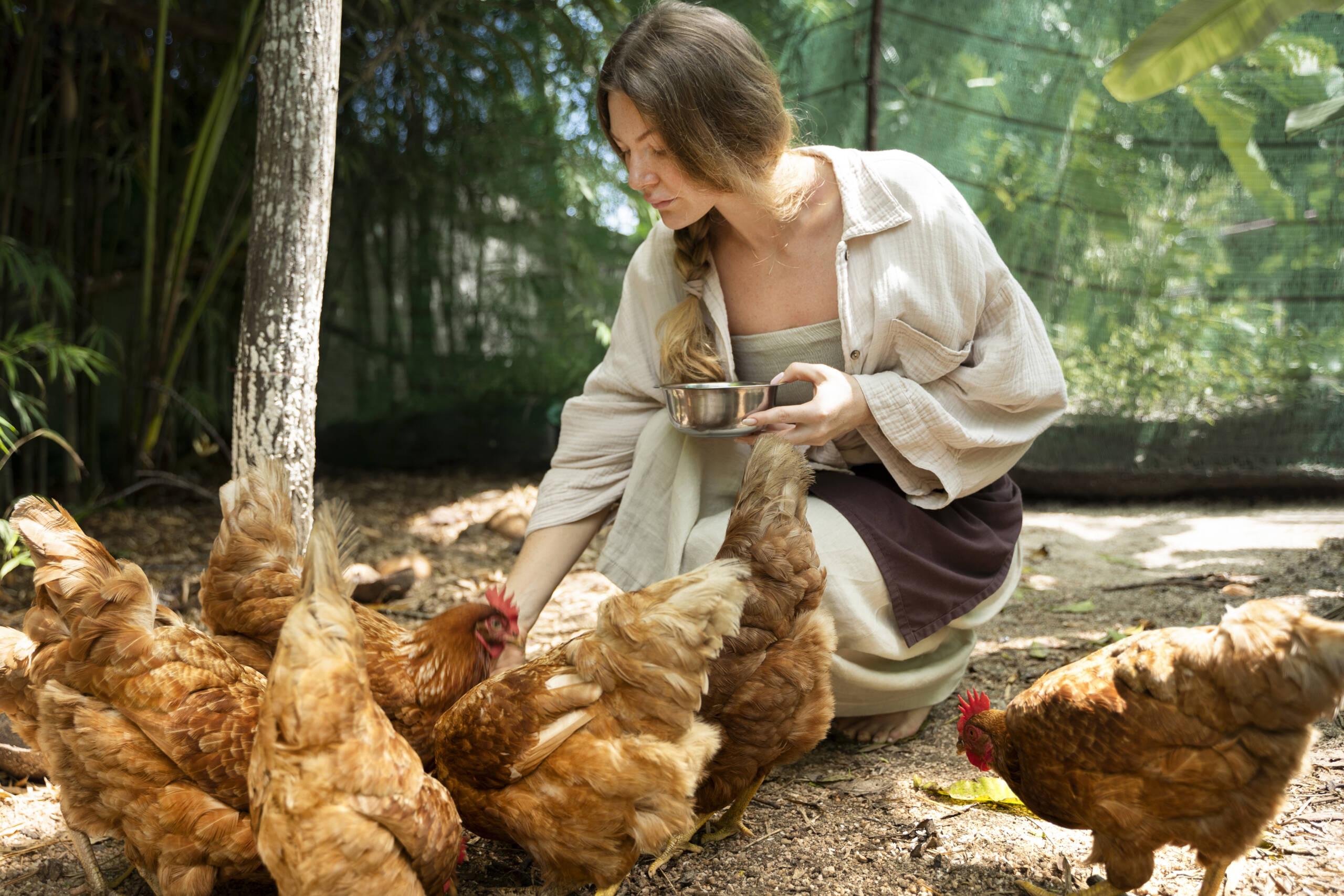
Raising poultry, whether it’s chickens, ducks, turkeys, or other farm fowl, can be a rewarding and profitable venture. Still, the real key to success is keeping your flock healthy. When birds are in good condition, they grow well, lay eggs consistently, and rarely need emergency treatment. When health issues creep in, however, disease and parasites can quickly drain productivity and dampen morale on small to mid-scale farms.
The good news is that most poultry health challenges can be prevented with steady, practical management choices and the right animal health products. In this guide, we’ll cover the key areas that every poultry farmer should understand to help keep chickens, ducks, turkeys, and other farm fowl thriving.
Biosecurity
Biosecurity may sound technical, but at its core, In simple words, it’s about keeping germs away from your birds. Many poultry diseases spread through people, equipment, or new birds coming onto the farm, often without anyone realizing it.
1. Be Mindful of Visitors and Movement
Visitors who keep poultry or move between farms can carry disease on shoes, clothing, or tools. Limiting access to your poultry area is one of the easiest ways to reduce risk.
Helpful habits include:
- Restricting entry to poultry housing
- Placing disinfectant footbaths at coop entrances
- Using boots and clothing that stay on the farm
These steps take very little time but go a long way in protecting your flock.
2. Always Quarantine New Birds
It can be tempting to add new birds straight into the flock, especially when they look healthy. However, many diseases do not show signs right away.
A simple quarantine setup should:
- Keep new birds separate for two to three weeks
- Allow daily observation for sneezing, diarrhea, or low energy
- Use separate feeders and cleaning tools
This short waiting period can save you from much bigger problems later.
3. Keep Housing Clean and Comfortable
Clean housing supports bird health and reduces stress. Damp litter and poor ventilation encourage bacteria, parasites, and respiratory issues.
Try to:
- Remove wet or dirty bedding regularly
- Disinfect housing and equipment on a schedule
- Ensure good airflow without creating drafts
Using proper disinfectants and cleaning supplies, which are important animal health products, helps create a safer environment for your birds.
Vaccination
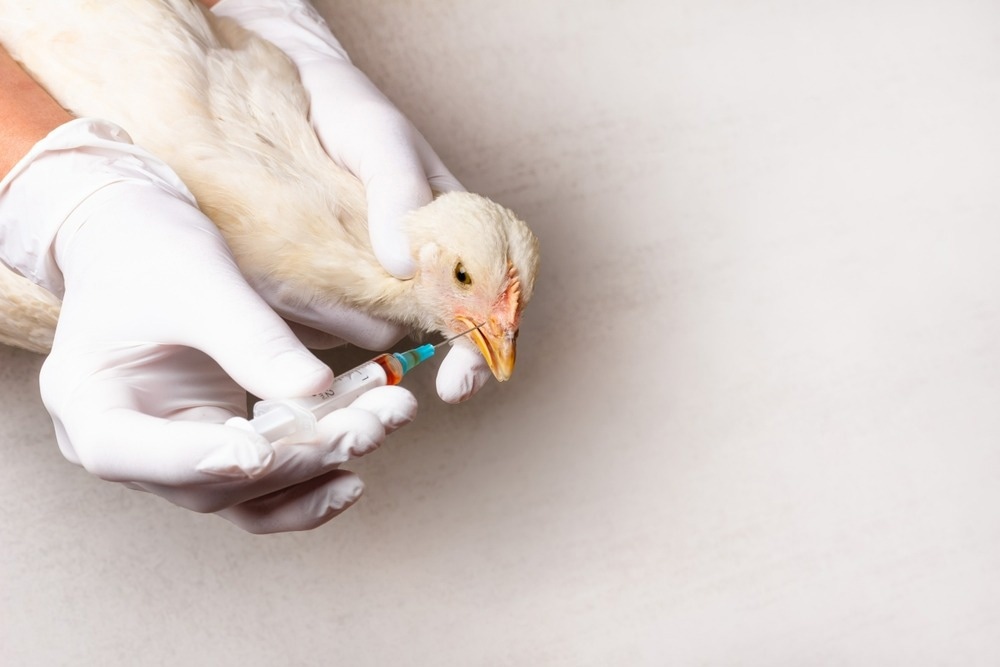
Vaccination is one of the most reliable ways to protect poultry from serious diseases. While it does require some planning, it is far more affordable than dealing with an outbreak after birds get sick.
4. Understand these Common Vaccines
Vaccination needs vary by location and species, but many farmers rely on:
- Newcastle disease vaccines for all poultry
- Gumboro disease vaccines for chickens
- Fowl pox vaccines
- Marek’s disease vaccines for young chicks
Ducks and turkeys may have different requirements, so advice from a veterinarian or extension officer can be very helpful.
5. Handle Vaccines With Care
Vaccines only work if they are handled and given correctly. Simple mistakes can reduce their effectiveness.
- Many vaccines must stay refrigerated and stored properly
- Equipment should be clean and properly prepared
- Dosage and timing instructions should be followed closely
- Choose high-quality animal health products from trusted sources to ensure good results.
6. Watch Birds After Vaccination
After vaccination, birds may appear slightly tired or less active for a short time. This is usually normal. Close observation allows you to spot unusual reactions early and address them quickly if needed.
Parasite Control
Parasites are easy to overlook, but they can quietly reduce growth, egg production, and overall bird comfort. Both external and internal parasites deserve regular attention.
7. Dealing With External Parasites
Mites, lice, and ticks cause irritation, feather damage, and stress. Birds may scratch frequently or lose condition over time.
- Check birds regularly, especially under wings and around vents
- Clean nesting areas and housing thoroughly
- Use approved treatments when infestations appear
Providing dust baths with ash or diatomaceous earth gives chickens a natural way to manage parasites.
8. Managing Internal Parasites
Worms are common, particularly in free-range systems. Infected birds may lose weight or lay fewer eggs.
Routine deworming with appropriate animal health products helps keep parasite levels under control. Always follow label directions and observe withdrawal periods for eggs and meat.
9. Prevention Makes the Difference in Parasite Control
Clean housing, dry litter, and proper waste management reduce parasite buildup. Rotating treatments when recommended also helps prevent resistance and keeps control methods effective.
Nutrition
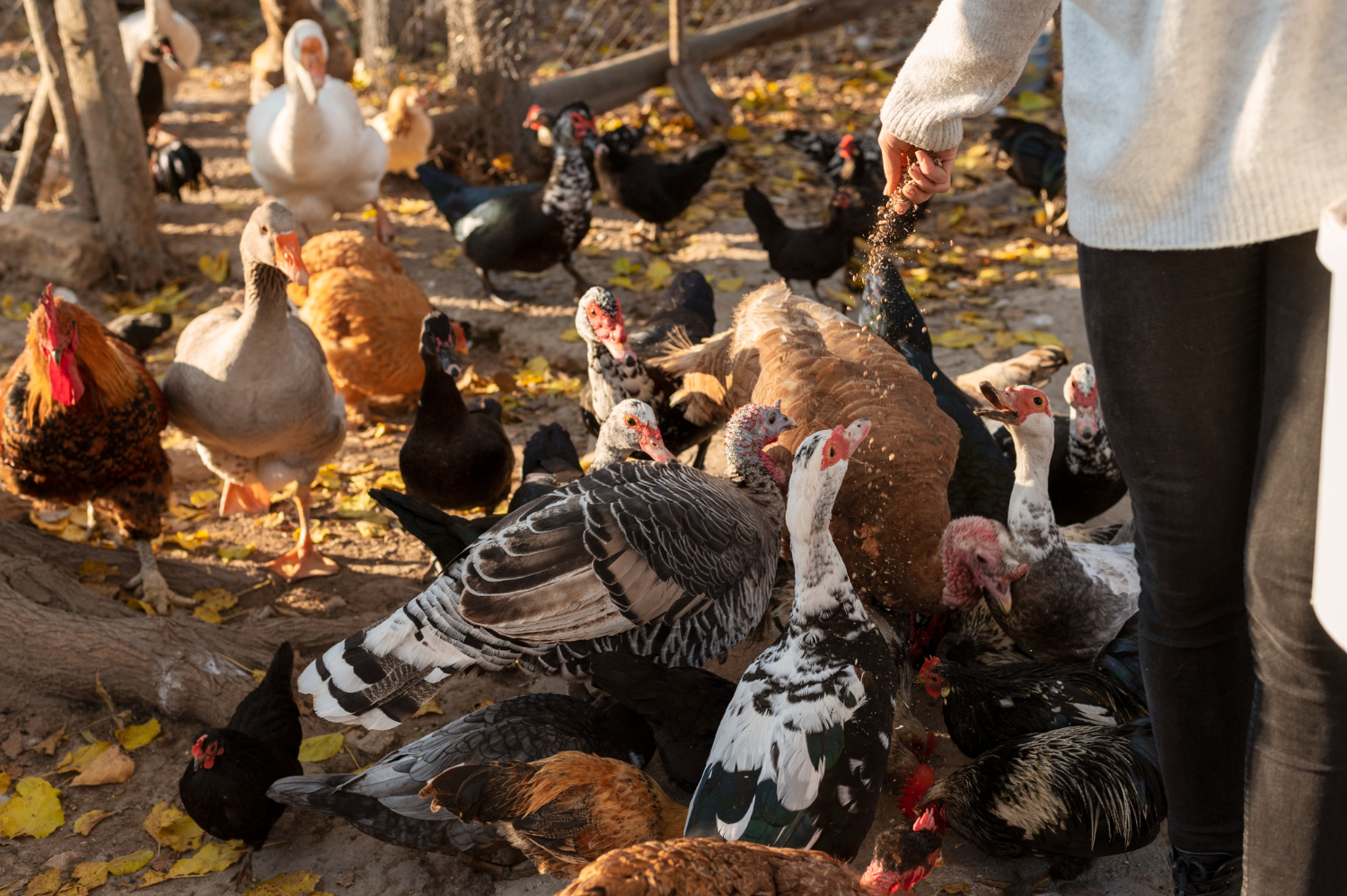
Good nutrition supports every part of poultry health. Birds that eat well are better able to fight infections and respond to vaccines.
Simple nutrition tips include:
- Feeding balanced rations suited to age and species
- Providing clean, fresh water at all times
- Offering vitamin and mineral supplements during stress periods, such as extreme heat or vaccination
Strong nutrition strengthens the impact of all other health practices.
Keep Records and Ask for Help When Needed
Keeping basic records of vaccinations, treatments, and losses helps you spot trends and improve management over time. Even simple notes can make future decisions much easier.
Building a relationship with a veterinarian or extension officer adds extra confidence. Professional guidance ensures animal health products are used correctly and helps identify problems before they become serious.
A Healthy Flock Doesn’t Happen by Luck
It is the result of steady, thoughtful care and good preventive practices. By focusing on biosecurity, following vaccination schedules, and staying on top of parasite control, small to mid-scale poultry farmers can avoid many common health problems.
With clean housing, good nutrition, and the careful use of animal health products, chickens, ducks, turkeys, and other farm fowl can remain productive and resilient. In the long run, a healthy flock makes poultry farming more enjoyable, more sustainable, and far more rewarding.
Author Bio: Carmina Natividad is a daytime writer for Abbey Labs, an Australian company offering reliable animal health solutions to support the wellbeing of pets and livestock. She loves creating easy-to-read content about animal care, veterinary tips, and the latest solutions that help animals live healthier lives.

Discover Modern Comfort: A Guide to Apartment Rent in Beirut
Beirut, the lively capital of Lebanon, is a city that blends deep-rooted history with a mo…



Discover Modern Comfort: A Guide to Apartment Rent in Beirut
Beirut, the lively capital of Lebanon, is a city that blends deep-rooted history with …