

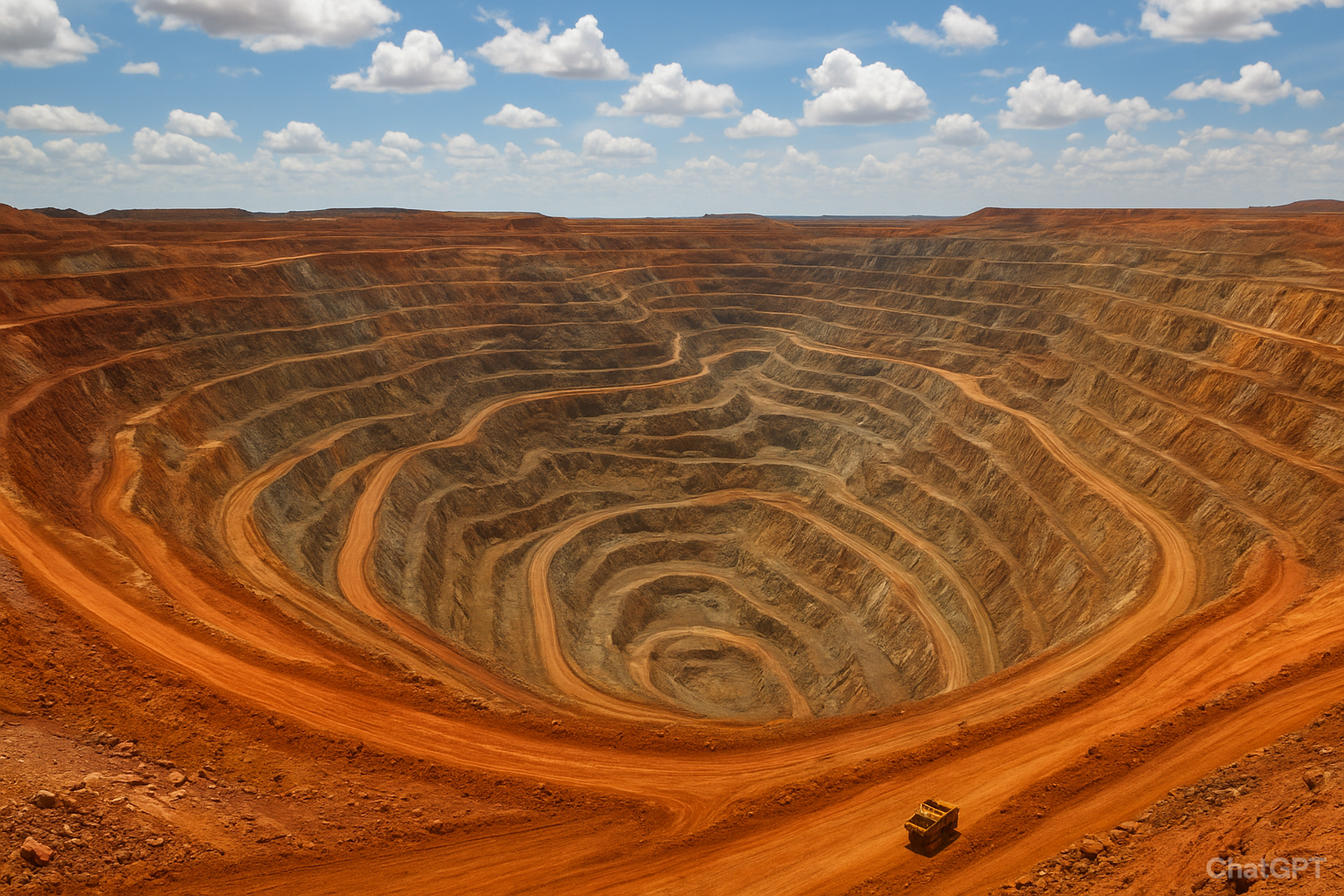
Mining in Michigan has a long and varied history, with thousands of mines identified across the state. It remains an important industry, producing a range of minerals including iron, copper, silver, and potash. Michigan continues to be a significant producer of key commodities that support industries like construction, manufacturing, and emerging technologies.
The Upper Peninsula is especially notable for its rich copper deposits, which are experiencing renewed interest due to the increasing demand for battery metals such as nickel and copper. Beyond metals, Michigan also produces cement, sand, gravel, and industrial minerals, supporting both local economies and broader industrial needs.
Current mining efforts combine traditional extraction methods with new technologies aimed at improving efficiency and sustainability. Projects like Michigan Potash’s solution mining illustrate how the state is adapting to changing markets and resource demands while maintaining its mining heritage.
History and Types of Mining in Michigan
Michigan’s mining history includes significant developments in copper and iron extraction, as well as substantial production of limestone and construction aggregates. These activities shaped the state’s industrial growth and regional economies for more than a century.
Early Copper Mining
Copper mining in Michigan began around 3000 B.C. with Native American miners using surface copper left by glacial activity. These early operations focused on collecting and shaping the raw material for tools and weapons.
In the 19th century, industrial copper mining took off in the Keweenaw Peninsula, known as “Copper Country.” Mines like the Wolverine Mine extracted copper embedded in amygdaloidal basalt. The mining boom here marked the start of large-scale copper production in the United States. Despite early successes, many Michigan copper mines faced challenges like fluctuating ore quality and economic viability, leading to eventual decline by the mid-20th century.
Iron Ore Extraction
Iron mining in Michigan’s Upper Peninsula began in the mid-1800s after William Austin Burt’s 1844 discovery. The Marquette Iron Range was the first major site, followed by the Menominee and Gogebic Ranges. The Jackson Mine near Negaunee is the state’s first iron mine.
Iron ore production expanded rapidly through the late 19th and early 20th centuries. By the 1870s, Michigan’s output surpassed 1 million tons annually. This growth supported steelmaking industries nationwide. The iron mining industry remains important today, with active mines continuing to yield ore from several established ranges.
Limestone and Aggregate Production
Michigan is a major producer of non-metallic minerals, particularly limestone, sand, and gravel, which support its construction sector. Limestone quarries supply crushed stone used in cement, road building, and concrete products.
The state’s geological formations offer abundant deposits of these materials, making Michigan a top producer nationally. Production of construction sand and gravel also plays a vital role. These industries provide essential resources for infrastructure development and contribute significantly to Michigan’s mineral economy.
Economic and Environmental Impact
Mining in Michigan significantly influences the region’s economy and environment. It supports jobs and local businesses while operating under strict environmental regulations designed to mitigate ecological damage. Efforts to restore mined land are also integral to balancing economic activity with environmental stewardship.
Job Creation and Local Economies
Mining contributes roughly $2.5 billion annually to Michigan’s economy and provides about 9,100 direct jobs. These positions span extraction, processing, and support services, primarily in the Upper Peninsula. The industry supports local businesses supplying materials and services, boosting community incomes.
Communities near mines often rely on this activity for economic stability, especially in rural areas. However, fluctuations in mineral demand, particularly for copper and nickel, can impact job sustainability. The development of new projects, like Copperwood Mine, is closely watched for its potential to revitalize local economies.
Environmental Protection Regulations
Michigan enforces comprehensive regulations governing mining operations. These rules include permits controlling water use, waste management, and air emissions. The objective is to minimize pollution and protect sensitive areas such as waterways near Lake Superior.
Regulatory agencies require plans for ongoing environmental monitoring during extraction. Mining companies must meet standards for chemical handling and habitat preservation. Public input and tribal consultations are mandatory, especially for projects posing possible environmental risks.
Land Reclamation Efforts
After mining operations end, companies must restore the land to a stable and productive condition. Michigan mandates reclamation plans that address soil replacement, vegetation replanting, and water quality improvement.
The state collects restoration fees from operators to fund these activities. Reclaimed sites can return to forest, wetlands, or safe industrial use. Successful reclamation is vital to reducing long-term environmental harm and preserving local ecosystems.
Discover Modern Comfort: A Guide to Apartment Rent in Beirut
Beirut, the lively capital of Lebanon, is a city that blends deep-rooted history with a mo…



Discover Modern Comfort: A Guide to Apartment Rent in Beirut
Beirut, the lively capital of Lebanon, is a city that blends deep-rooted history with …