

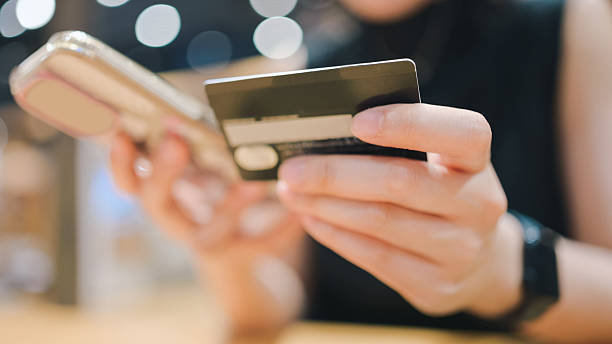
Picture this: You’re at a networking event, deep in conversation with a potential client who could transform your business. The moment comes to exchange contact information, and while everyone around you fumbles with paper cards or frantically types numbers into their phones, you simply tap your sleek NFC business card against their smartphone. In seconds, your complete professional profile—website, portfolio, social media, and contact details—appears on their screen like magic.
Welcome to the future of professional networking, where innovation meets practicality in the palm of your hand.
What Exactly Is an NFC Business Card?
An NFC business card represents the cutting edge of professional networking technology. NFC stands for Near Field Communication, the same wireless technology that powers contactless payments through Apple Pay, Google Pay, and modern credit cards. These smart business cards embed a tiny NFC chip that communicates with smartphones when brought within a few centimeters of each other.
Unlike traditional paper cards that sit forgotten in desk drawers or get accidentally thrown in the wash, NFC cards create an instant digital connection. They’re physical cards—often made from premium materials like metal, wood, or high-quality PVC—but they function as a bridge between the physical and digital worlds. When someone taps your card with their smartphone, they’re instantly directed to your digital business profile without downloading any apps or scanning QR codes.
Why Innovation-Minded Professionals Are Making the Switch
The professional landscape has shifted dramatically. Remote work, global collaboration, and digital-first interactions have become standard rather than exceptional. Forward-thinking professionals recognize that their networking tools should reflect this new reality.
Innovation isn’t about adopting every new technology that comes along—it’s about choosing tools that genuinely enhance your professional effectiveness. NFC business cards fit this criterion perfectly. They signal to colleagues, clients, and partners that you’re someone who embraces efficiency and stays ahead of industry trends. This impression matters in fields where innovation is valued, whether you’re in tech, marketing, design, consulting, or entrepreneurship.
Beyond the impression they create, these cards solve real problems. They eliminate the awkward exchange of typing contact information incorrectly, the environmental waste of paper cards, and the limitation of static information that becomes outdated the moment your phone number or job title changes.
The Technology Behind the Innovation
Understanding how NFC business cards work helps appreciate their elegance. The technology relies on electromagnetic radio fields to enable communication between two devices over very short distances, typically less than four centimeters. This proximity requirement actually enhances security—someone can’t secretly scan your card from across the room.
Each NFC card contains a microchip and an antenna coiled within the card itself. When a smartphone comes close enough, the phone’s NFC reader powers the chip through electromagnetic induction. The chip then transmits its stored information to the phone, triggering whatever action you’ve programmed—opening a website, saving contact information, or displaying a digital portfolio.
Most modern smartphones support NFC technology natively. iPhones from iPhone 7 onwards can read NFC tags automatically with iOS 14 and later. Android phones have supported NFC for years, with many models reading tags automatically when the screen is on. This widespread compatibility means you can confidently use NFC cards with the vast majority of potential contacts.
Real-World Applications Across Industries
NFC business cards shine across diverse professional contexts. Real estate agents use them at open houses, allowing interested buyers to tap and instantly access property listings, virtual tours, and agent credentials. The immediacy creates a stronger connection than handing out a paper flyer.
Creative professionals—photographers, designers, videographers—leverage NFC cards to showcase portfolios instantly. Instead of describing their work, they let potential clients see it immediately on their phones. This visual-first approach dramatically increases the chances of making a lasting impression.
Consultants and coaches find NFC cards particularly valuable for directing contacts to scheduling systems. After an initial conversation, prospects can tap the card and immediately book a discovery call while interest is high. This removes friction from the conversion process and respects the modern preference for self-service scheduling.
Sales professionals use these cards to track engagement through analytics. By connecting the NFC card to a custom landing page, they can see who tapped their card, when, and what content they viewed. This data transforms networking from a numbers game into strategic relationship building.
Environmental and Practical Benefits
The environmental argument for NFC business cards resonates strongly with sustainability-conscious professionals. The average businessperson goes through approximately 250 paper business cards annually. Multiply that across millions of professionals globally, and the environmental impact becomes staggering—trees felled, water consumed, chemicals used in printing, and waste generated.
One NFC card replaces thousands of paper cards over its lifetime. The cards themselves are built to last, often constructed from durable materials that withstand daily wear far better than paper. Many manufacturers now offer cards made from recycled materials or sustainable alternatives like bamboo, combining innovation with environmental responsibility.
The practical benefits extend beyond sustainability. Your information never becomes outdated because you control the digital profile your card links to. Changed jobs? Updated phone number? New portfolio pieces? Simply update your digital profile, and every card you’ve ever distributed now shares your current information. This dynamic quality means your initial investment continues delivering value indefinitely.
Customization Options That Reflect Your Brand
NFC business cards offer remarkable customization possibilities that paper cards simply can’t match. The physical card itself can be customized with your brand colors, logo, typography, and even unique materials. Metal cards project premium quality and durability. Wooden cards convey environmental consciousness and natural aesthetics. Translucent cards create a modern, tech-forward impression.
But the real customization magic happens in the digital experience. You decide where your card directs people—a personal website, LinkedIn profile, digital portfolio, appointment scheduler, or custom landing page designed specifically for networking. You can create different profiles for different contexts: one for potential clients, another for recruitment purposes, another for industry partnerships.
Some professionals create elaborate digital experiences behind their NFC cards, including video introductions, client testimonials, case studies, and interactive content. The card becomes a gateway to a comprehensive digital presence rather than just a contact information repository.
Cost Considerations and Return on Investment
NFC business cards require an initial investment higher than traditional paper cards, typically ranging from fifteen to fifty dollars per card depending on materials, customization, and features. This upfront cost causes some professionals to hesitate, but the investment calculation changes when you consider long-term value.
A single NFC card replaces years of paper card printing. If you typically spend fifty dollars annually on paper business cards, an NFC card pays for itself within the first year while delivering superior functionality. The ability to update information without reprinting eliminates the recurring costs that make paper cards surprisingly expensive over time.
The real return on investment comes from enhanced professional outcomes. If your NFC card helps you close one additional client, secure one speaking engagement, or facilitate one valuable partnership, it has likely paid for itself many times over. Innovation-minded professionals understand that investing in tools that enhance effectiveness is rarely a cost—it’s a strategic business decision.
Setting Up Your NFC Business Card
Getting started with NFC business cards involves choosing the right provider, designing your card, and creating your digital profile. Several reputable companies specialize in NFC cards, including Popl, Mobilo, Linq, and V1CE, each offering different features, materials, and pricing structures.
The setup process is remarkably straightforward. After receiving your card, you typically register it through the provider’s app or website, linking it to your chosen digital destination. Many providers offer templates and builders for creating professional landing pages without technical skills. If you prefer more control, you can link your card to any URL you own.
Testing your card before using it professionally is wise. Ensure it works with both iPhone and Android devices, verify that your landing page displays correctly on mobile screens, and confirm that all links and contact information are accurate. This preparation ensures smooth interactions when you use your card in actual networking situations.
Best Practices for Maximizing Impact
Successfully using NFC business cards involves more than just tapping—it requires strategic thinking about when and how to deploy this technology. Always explain what’s happening before tapping: “I use a digital business card—may I tap your phone to share my information?” This brief introduction prepares people and demonstrates professionalism.
Consider your digital landing page as carefully as you’d design a traditional business card. Keep it mobile-optimized, fast-loading, and focused on making connection easy. Include clear calls-to-action, whether that’s saving your contact information, scheduling a meeting, or viewing your work. The page should feel like a natural extension of your professional brand.
Follow up after exchanges where you used your NFC card. Reference the fact that they have your full information and offer to answer questions or continue the conversation. This follow-up reinforces the professional impression and moves relationships forward.
Security and Privacy Considerations
Security-conscious professionals often wonder about privacy implications of NFC technology. The good news is that NFC cards are remarkably secure. They contain no personal information directly—only a web address or programmed action. Someone tapping your card can’t access your phone’s data or compromise your security.
You maintain complete control over what information you share. If privacy concerns arise or you lose your card, you can instantly change where your card directs people, effectively deactivating it or redirecting it to a message explaining it’s no longer active. This control makes NFC cards actually more secure than paper cards, which contain fixed information that can’t be changed once distributed.
Choose providers that respect privacy and don’t sell user data. Read terms of service carefully, especially regarding analytics and tracking features. Transparency about what data is collected and how it’s used should be a priority when selecting an NFC card provider.
The Future of Professional Networking
NFC business cards represent just the beginning of digitized professional networking. The technology continues evolving, with new features emerging regularly. Some cards now include multiple profiles that recipients can choose between—professional, social, or portfolio-focused. Others integrate with CRM systems automatically, logging every tap and enabling sophisticated follow-up workflows.
Augmented reality integration is on the horizon, where tapping a card could trigger immersive experiences showcasing your work in 3D or displaying interactive presentations. As virtual and hybrid work environments become permanent fixtures, tools that seamlessly bridge physical and digital interactions will only grow more valuable.
For professionals who value innovation, adopting NFC business cards positions you at the forefront of this evolution. You’re not just keeping pace with change—you’re demonstrating leadership in embracing tools that enhance professional effectiveness while reflecting modern values around sustainability, efficiency, and digital fluency.
Making the Transition From Traditional to NFC
Transitioning to NFC business cards doesn’t require abandoning traditional cards immediately. Many professionals adopt a hybrid approach initially, carrying both paper and NFC cards and choosing which to use based on context and audience. This gradual adoption lets you build confidence with the technology while ensuring you’re prepared for any situation.
Expect some people to be unfamiliar with NFC technology. Use these moments as opportunities to educate and impress. Most people are genuinely intrigued once they see how smoothly the technology works. Your enthusiasm and clear explanation transform potential confusion into memorable positive interactions.
Over time, as you become more comfortable and recognize the advantages, you’ll likely find yourself reaching for your NFC card by default. The convenience, professional impression, and practical benefits make it hard to return to paper once you’ve experienced the alternative.
Common Questions About NFC Business Cards
Do NFC business cards work with all smartphones?
Most modern smartphones support NFC technology. All iPhones from iPhone 7 onwards with iOS 14 or later can read NFC tags automatically. The majority of Android phones manufactured in the last several years include NFC capability, though some budget models may not. Overall, NFC cards work with roughly 80-90% of smartphones currently in use, making them highly practical for professional networking.
What happens if someone doesn’t have a compatible phone?
Most NFC business cards also include QR codes as a backup option. If someone’s phone doesn’t support NFC, they can simply scan the QR code to access the same information. Some professionals also keep a few traditional business cards as a final fallback, though this is rarely necessary with the combination of NFC and QR code options.
Can I update the information on my NFC card after I’ve given it to people?
Yes, this is one of the greatest advantages of NFC cards. Because the card links to a digital profile that you control, you can update your information at any time. Every card you’ve distributed will automatically reflect the updated information when someone taps it. This eliminates the waste and expense of reprinting cards whenever your details change.
How long do NFC business cards last?
Quality NFC cards are built to last for years with normal use. The NFC chip itself has no moving parts and doesn’t degrade over time. The durability depends primarily on the card’s physical material—metal and thick PVC cards can easily last five years or more, while thinner cards might show wear sooner. Most manufacturers offer warranties and will replace defective cards.
Are NFC business cards expensive to maintain?
After the initial purchase, most NFC cards have minimal ongoing costs. Many providers offer free basic accounts for managing your digital profile, with premium features available through optional subscriptions. Since the cards themselves last for years and you can update information without reprinting, the long-term cost is typically lower than traditional business cards.
Can I track who taps my NFC card?
Many NFC card providers offer analytics that show when your card was tapped and sometimes basic information about location or device type. However, they typically don’t reveal the specific identity of who tapped your card unless that person chooses to take an action like submitting contact information. This balances useful data with privacy considerations.
Will NFC business cards work through phone cases?
Most phone cases don’t interfere with NFC functionality, especially thinner cases made from plastic or silicone. Very thick cases, metal cases, or cases with metal components may block NFC signals. In these situations, removing the case temporarily or using the QR code backup typically solves the problem.
Are NFC business cards appropriate for all industries?
While NFC cards work well across most professional contexts, their appropriateness depends on your industry’s culture and your audience. Technology, creative, marketing, and entrepreneurial fields typically embrace them enthusiastically. More traditional or conservative industries might require more explanation but can still appreciate the efficiency and innovation. Consider your specific audience and adjust your approach accordingly.


Discover Modern Comfort: A Guide to Apartment Rent in Beirut
Beirut, the lively capital of Lebanon, is a city that blends deep-rooted history with a mo…



Discover Modern Comfort: A Guide to Apartment Rent in Beirut
Beirut, the lively capital of Lebanon, is a city that blends deep-rooted history with …