

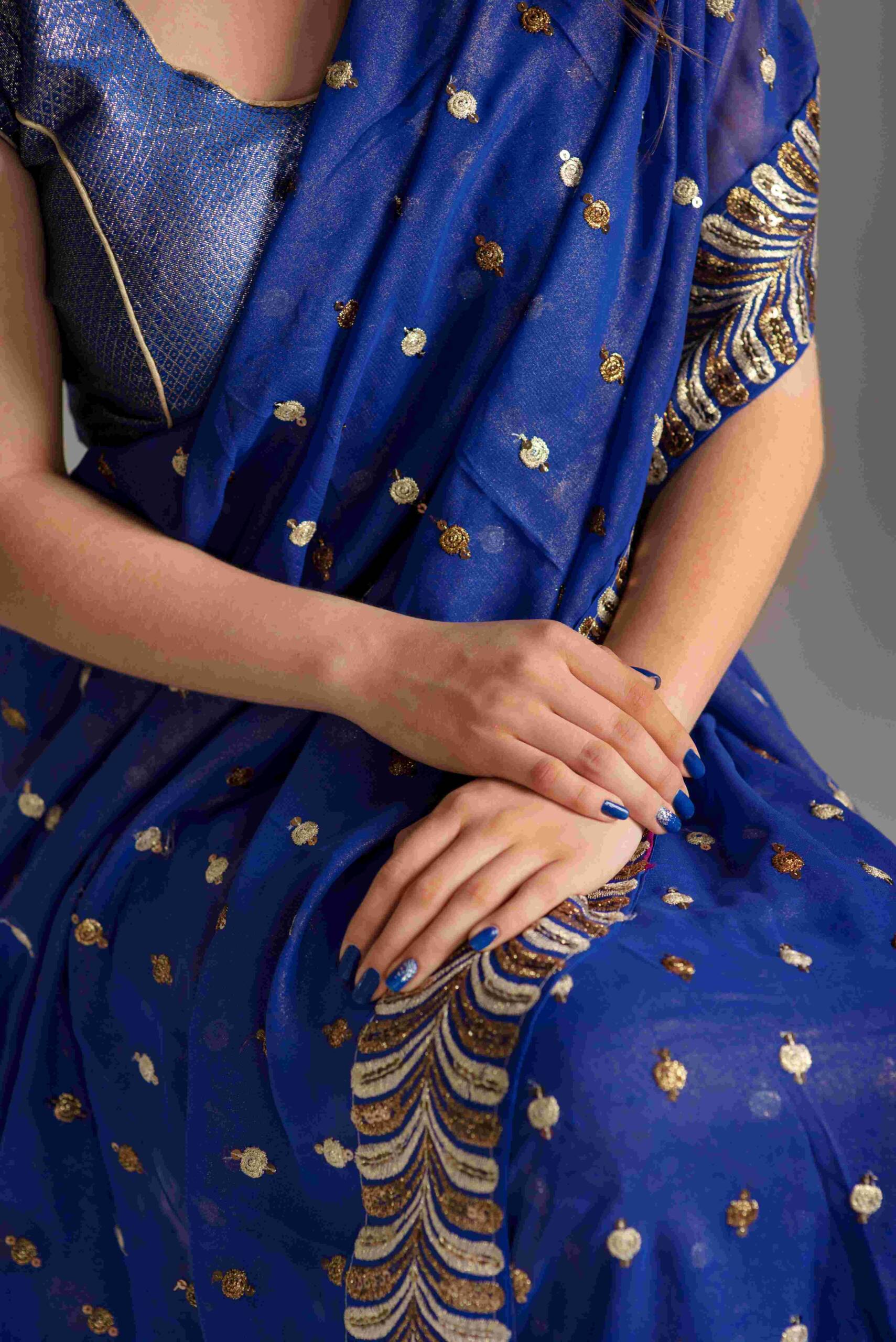
In the realm of traditional Indian attire, few garments command the respect and admiration that pure silk sarees do. These magnificent drapes represent the pinnacle of textile artistry, combining the finest natural fibers with centuries-old weaving traditions to create masterpieces that transcend time and trends. The journey from silk cocoon to finished saree involves numerous skilled hands and meticulous processes, each contributing to the creation of a garment that embodies luxury, tradition, and cultural heritage.
Understanding Pure Silk Quality
The term “pure silk” signifies that the fabric is made entirely from natural silk fibers without any synthetic blends or artificial additives. This authenticity matters significantly in terms of quality, comfort, durability, and value. Pure silk sarees are created from silk extracted from the cocoons of silkworms, primarily the Bombyx mori species that feeds on mulberry leaves. The extraction process is delicate, as maintaining the continuity of silk filaments ensures the smoothest, strongest fabric possible.
Genuine silk possesses unique characteristics that distinguish it from artificial alternatives. It has a natural sheen that doesn’t appear overly glossy or artificial. The fabric feels cool to touch and has a subtle scroop sound when handled. When burned, pure silk produces an odor similar to burning hair and leaves behind a brittle ash, unlike synthetic materials that melt and produce black beads. These tests help buyers verify authenticity, though purchasing from reputable sources remains the best assurance of quality.
Regional Variations in Pure Silk
India’s diverse geography has given rise to distinct silk varieties, each with characteristic qualities. Mulberry silk from Karnataka forms the base for famous Mysore and Bangalore silk sarees, known for their smooth texture and excellent dye absorption. Tussar silk, produced in Jharkhand and Chhattisgarh, has a natural golden hue and slightly coarser texture. Eri silk from Assam offers warmth and thermal properties, while Muga silk, also from Assam, presents a naturally golden color that doesn’t fade with age.
Each regional variety of pure silk sarees reflects the local culture and aesthetic preferences. South Indian silks typically feature temple-inspired motifs, rich colors, and heavy zari work. Bengali silks showcase the region’s artistic heritage through intricate weaving patterns and the distinctive red-and-white combination favored for special occasions. Banarasi silks from Varanasi incorporate Mughal-influenced designs with elaborate brocade work that can take months to complete.
The Craftsmanship Journey
Creating a pure silk saree begins long before the weaving process. Silk farmers carefully tend to silkworm colonies, ensuring optimal conditions for cocoon production. After harvesting, cocoons undergo a reeling process where silk filaments are carefully unwound and twisted together to form threads. These threads then receive treatments to remove sericin, a natural gum that makes raw silk stiff, resulting in the soft, lustrous yarn used for weaving.
Dyeing represents a crucial stage where threads receive their colors. Traditional natural dyes derived from plants, minerals, and insects create colors with depth and character that synthetic dyes struggle to replicate. However, modern synthetic dyes offer consistency and a broader color palette, leading many weavers to use a combination of both approaches based on the desired outcome.
The actual weaving takes place on handlooms or power looms, though connoisseurs prefer handloom pure silk sarees for their unique character and superior quality. Handloom weaving allows for greater control over tension and pattern execution, resulting in fabric with better drape and longevity. The weaver’s skill determines the final product’s quality, with master weavers commanding premium prices for their exceptional work.
Design Elements and Aesthetics
The aesthetic appeal of these sarees comes from the harmonious integration of multiple design elements. The body of the saree may feature solid colors, subtle patterns, or elaborate designs depending on the intended use and style. Borders frame the saree, with widths ranging from delicate thin lines to broad statement borders that become the saree’s defining feature. The pallu receives special attention, often showcasing the most intricate designs and serving as the artistic focal point.
Motifs used in pure silk sarees carry cultural significance and symbolic meanings. Peacocks represent beauty and grace, elephants symbolize strength and prosperity, while lotus flowers denote purity and spiritual awakening. Geometric patterns like checks and stripes offer a more contemporary aesthetic while maintaining traditional roots. The arrangement and density of these motifs significantly impact the saree’s overall appearance and formality level.
Occasions and Styling
These versatile garments suit virtually any occasion where traditional attire is appropriate or desired. Wedding ceremonies demand the most elaborate pieces, with brides often choosing red, maroon, or gold sarees heavily embellished with zari work. Festival celebrations allow for vibrant colors and rich designs that reflect the festive spirit. Professional settings call for understated elegance with simpler patterns and sophisticated color choices. Even casual family gatherings can be enhanced by wearing lighter silk sarees with minimal embellishments.
Styling choices dramatically affect the final look. The blouse design, jewelry selection, hairstyle, and makeup all contribute to creating a cohesive appearance. Traditional gold jewelry pairs beautifully with silk sarees, though contemporary diamond and gemstone pieces also work well. The draping style chosen should complement body type and personal comfort while respecting cultural traditions when appropriate.
Investment and Care
Quality pure silk sarees represent significant investments that, with proper care, provide value for decades. Their durability ensures they can be worn repeatedly and even passed down as family heirlooms. Proper storage in cool, dry places away from direct sunlight preserves colors and fabric integrity. Regular airing prevents moisture accumulation and musty odors. Professional dry cleaning maintains the fabric’s quality better than home washing, especially for heavily embellished pieces.
Conclusion
The timeless elegance of these magnificent drapes continues to make them indispensable in Indian wardrobes. They represent more than clothing; they embody cultural heritage, artistic excellence, and personal milestones. Wearing one connects the wearer to centuries of tradition while making a contemporary style statement that never goes out of fashion.
Discover Modern Comfort: A Guide to Apartment Rent in Beirut
Beirut, the lively capital of Lebanon, is a city that blends deep-rooted history with a mo…



Discover Modern Comfort: A Guide to Apartment Rent in Beirut
Beirut, the lively capital of Lebanon, is a city that blends deep-rooted history with …