

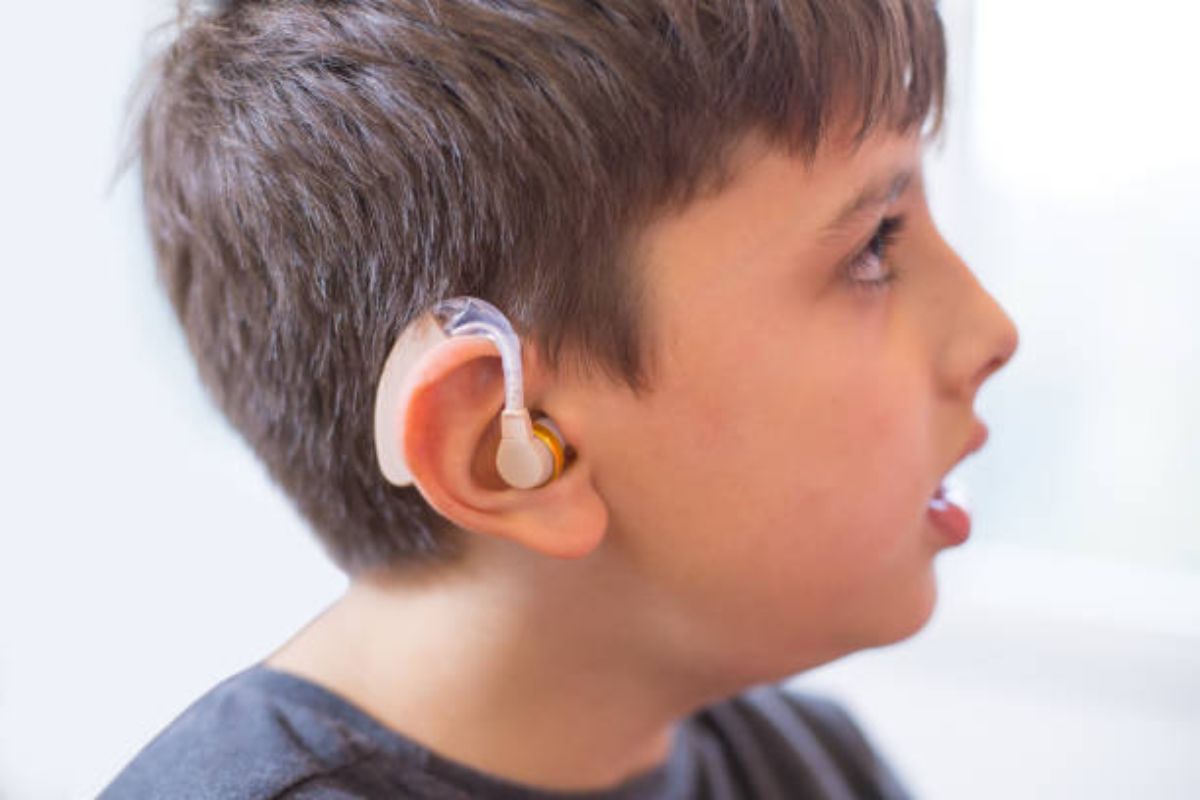
Hearing is one of the most important senses a child develops in early life. It forms the foundation for speech, language, learning, and social interaction. When a child experiences hearing difficulties, it can affect their ability to communicate and understand the world around them. Parents and caregivers are often the first to notice subtle signs of hearing loss. Early identification is crucial because interventions at a young age can significantly improve a child’s development. Families can seek help at a hearing aid centre in Nagercoil for professional guidance and assessment of their child’s hearing abilities.
Why Early Detection is Critical
Detecting hearing loss early allows children to receive the support they need before delays in speech and language occur. Children learn language primarily through listening and interacting with others. A child who cannot hear clearly may struggle with pronunciation, vocabulary, and comprehension. Without intervention, these delays can affect academic performance, social skills, and self-confidence. Early evaluation and treatment, including hearing devices and therapy, can help children reach milestones alongside their peers.
Signs to Watch for in Infants
Even during the first few months of life, parents may notice signs that suggest a hearing issue. These include:
- Lack of Startle Response: Newborns usually react to sudden sounds with a startle or flinch. A baby who does not respond may need a hearing check.
- Limited Response to Voices: Babies typically turn toward familiar voices by around three months. Failure to do so may indicate a concern.
- Delayed Babbling: By four to six months, infants usually start experimenting with sounds. Minimal or absent babbling may be a red flag.
- Difficulty Settling: Some babies with hearing issues may be unusually irritable or have trouble sleeping because they cannot respond to soothing sounds.
Parents observing these signs should seek a professional evaluation promptly. Early intervention can prevent long-term developmental delays and improve the child’s overall growth.
Signs in Toddlers and Preschoolers
As children grow, hearing loss may become more apparent in their behavior and learning:
- Delayed Speech: By around 18 months, toddlers usually begin forming simple words. Limited speech development may indicate hearing difficulty.
- Difficulty Following Instructions: A child with hearing loss may seem inattentive or appear to ignore instructions.
- Frequent Requests to Repeat: Asking for repeated explanations often can signal trouble hearing.
- Turning Up Devices: Children who consistently increase the volume of televisions or music may be compensating for hearing difficulties.
- Reliance on Visual Cues: Some children lip-read or watch gestures closely to understand conversations.
Recognizing these signs early allows parents to take action before learning and social delays worsen.
Types of Hearing Loss
Understanding the type of hearing loss helps guide treatment:
- Conductive Hearing Loss: Caused by blockages that prevent sound from reaching the inner ear. Often temporary and treatable with medical care.
- Sensorineural Hearing Loss: Results from damage to the inner ear or auditory nerve. Typically permanent and may require hearing aids.
- Mixed Hearing Loss: A combination of conductive and sensorineural issues, requiring specialized care.
Consulting with an audiologist helps identify the type and severity, which is crucial for selecting appropriate interventions. Families can also compare hearing aid price in Chennai when considering the most suitable devices.
Supporting Your Child at Home
Parents can actively support a child with hearing loss:
- Track Development: Monitor speech, social, and learning milestones. Document concerns for healthcare discussions.
- Encourage Communication: Talk, read aloud, and play interactive games to foster language skills.
- Reduce Background Noise: Minimize distractions during conversation to make hearing easier.
- Use Visual Aids: Gestures, facial expressions, and written cues enhance understanding.
- Seek Early Help: Consult audiologists or pediatric specialists if signs of hearing loss appear.
Hearing Assessments
Hearing evaluations are safe and non-invasive, tailored to the child’s age:
- Otoacoustic Emissions (OAE): Measures inner ear sound responses, suitable for infants.
- Auditory Brainstem Response (ABR): Checks how the brain processes sound, often used for newborns.
- Behavioral Audiometry: Observes responses to sounds, effective for toddlers and older children.
These assessments guide professionals in recommending devices, therapy, or other interventions.
Treatment Options
Treatment depends on the type and severity of hearing loss:
- Medical Management: Infections or fluid build-up may be treatable, restoring hearing.
- Hearing Aids: Amplify sound to support language and learning development.
- Assistive Listening Devices: Classroom or personal devices help children hear better in noisy environments.
- Speech and Language Therapy: Enhances communication skills and vocabulary for children with hearing difficulties.
Early use of hearing aids combined with therapy often allows children to develop language and social skills normally.
Emotional and Social Support
Children with hearing loss may feel frustrated or isolated. Parents and teachers can assist by:
- Encouraging small-group social interaction.
- Teaching coping strategies for noisy environments.
- Celebrating small achievements to build confidence.
This support ensures children grow into confident, socially capable individuals.
Preparing for School
School readiness requires additional attention:
- Classroom Support: Preferential seating and amplification devices can help children hear better.
- Teacher Awareness: Educators should understand the child’s needs and communicate clearly.
- Peer Awareness: Teaching classmates to communicate inclusively fosters understanding and friendships.
With early identification and consistent support, children with hearing loss can thrive academically and socially.
Conclusion
Recognizing early signs of hearing loss in young children is essential for their growth and development. From infancy to preschool, parents should stay alert for subtle and obvious cues. Timely evaluation and intervention, including hearing aids, therapy, and classroom support, can ensure children reach milestones alongside peers. With care, attention, and the right support, children with hearing loss can enjoy a fulfilling and successful childhood.
Discover Modern Comfort: A Guide to Apartment Rent in Beirut
Beirut, the lively capital of Lebanon, is a city that blends deep-rooted history with a mo…



Discover Modern Comfort: A Guide to Apartment Rent in Beirut
Beirut, the lively capital of Lebanon, is a city that blends deep-rooted history with …