

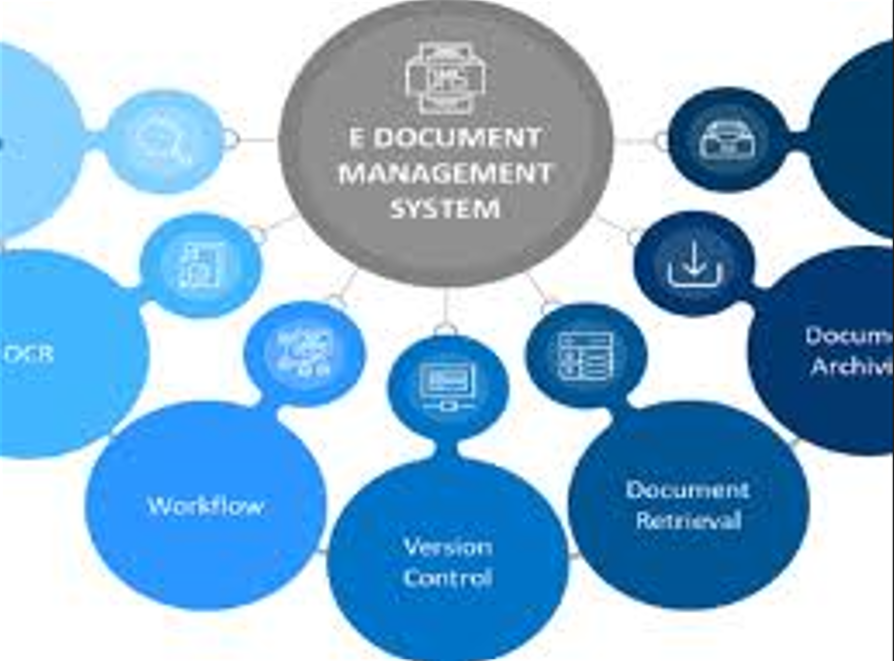
In the digital era, every business is striving to increase efficiency while cutting unnecessary costs. One of the most powerful ways to achieve this is through Digital Process Automation (DPA). By automating repetitive tasks and optimizing workflows, DPA not only boosts productivity but also enhances accuracy and frees up valuable time. In this article, we’ll explore how DPA is reshaping modern business operations and why it’s quickly becoming an essential tool for companies worldwide.
Understanding Digital Process Automation: The Key to Smart Business
Digital Process Automation goes beyond just automating individual tasks. It involves using advanced software to automate entire business processes whether it’s customer service workflows, document approvals, or data management systems. DPA integrates various systems and technologies to handle end-to-end processes, making businesses more agile, faster, and smarter.
Unlike traditional automation, which focuses on automating specific actions, DPA offers a holistic solution by managing complex workflows. For example, instead of simply automating a task like invoice data entry, DPA can handle the entire process, from receipt to approval and payment, ensuring consistency, speed, and compliance.
Unlocking the Benefits: Why Digital Process Automation Matters
Boosting Efficiency and Lowering Costs
For businesses looking to optimize their operations, Digital Process Automation offers clear benefits. By automating routine tasks, businesses can save time and significantly reduce operational costs. According to a study by McKinsey, companies can cut operational costs by up to 30% by implementing automation across key processes.
Consider HR departments, for example. Instead of manually screening resumes, conducting repetitive administrative tasks, or tracking vacation days, DPA can automate these processes. This frees up HR professionals to focus on more strategic activities, like talent management and employee development.
Reducing Human Error and Enhancing Accuracy
Human error is inevitable, but in industries like healthcare, finance, and manufacturing, even small mistakes can have significant consequences. DPA minimizes the risk of errors by ensuring that processes are completed consistently and according to predefined rules.
In the finance sector, DPA is used to automatically process invoices, reducing the risk of errors during data entry. Automation ensures that the correct amounts are paid, and financial records are updated without any manual intervention, ensuring accuracy and timely reporting.
Data-Driven Insights for Smarter Decisions
One of the most exciting aspects of Digital Process Automation is its ability to provide businesses with real-time data and analytics. With automation tools integrated into everyday processes, companies can easily monitor performance, identify inefficiencies, and make data-driven decisions.
For instance, e-commerce platforms can leverage DPA to track customer orders and analyze purchasing behaviors. This data can then inform inventory management decisions, helping businesses ensure that they always have the right products in stock while reducing waste.
Digital Process Automation in Action: Real-World Impact
Customer Service Automation: Faster, Smarter, and More Personal
Customer service has undergone a major transformation with the rise of DPA. Many businesses now use automated chatbots and AI-driven workflows to handle customer inquiries, process orders, and even manage returns. This has greatly improved response times and customer satisfaction.
Amazon, for instance, uses DPA to manage customer interactions efficiently. Their AI-powered chatbots respond instantly to basic questions, while more complex issues are escalated to human agents. This hybrid approach allows Amazon to provide 24/7 support without overburdening their human staff, leading to faster resolutions and happier customers.
Healthcare: Simplifying Complex Processes
The healthcare industry, traditionally bogged down by paperwork and manual processes, is also benefiting from Digital Process Automation. From appointment scheduling to patient record management, DPA is helping healthcare providers save time and improve service delivery.
For example, a hospital system might use DPA to automate the patient intake process, ensuring that all necessary information is captured upfront. This reduces administrative burdens, accelerates service delivery, and improves the overall patient experience allowing healthcare providers to focus more on patient care.
The Future of Digital Process Automation: What’s Next?
As technology continues to evolve, the potential for Digital Process Automation grows. With the advent of artificial intelligence (AI) and machine learning, the future of DPA looks incredibly promising. Gartner predicts that by 2025, automation will be a core element in nearly every business strategy, accelerating productivity and fostering innovation.
The integration of AI with DPA is set to unlock even more possibilities. Future automation systems will not only follow preset rules but will be able to learn from past actions and adapt to new challenges. This self-learning capability means that DPA will become even more efficient and effective over time.
Conclusion:
Digital Process Automation is no longer a luxury; it’s a necessity for businesses aiming to stay competitive in an increasingly digital world. By automating time-consuming tasks, reducing errors, and providing real-time insights, DPA is transforming the way companies operate across industries.
Whether you’re looking to improve customer service, streamline administrative processes, or make better decisions based on data, DPA offers a wide range of benefits. The businesses that adopt it early will likely have a significant advantage over their competitors.
So, if you’re still relying on manual processes, it’s time to consider implementing Digital Process Automation in your organization. The future is automated, and it’s time to get on board!


Discover Modern Comfort: A Guide to Apartment Rent in Beirut
Beirut, the lively capital of Lebanon, is a city that blends deep-rooted history with a mo…



Discover Modern Comfort: A Guide to Apartment Rent in Beirut
Beirut, the lively capital of Lebanon, is a city that blends deep-rooted history with …