

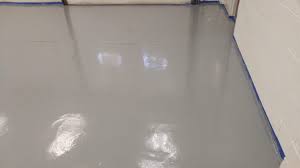
A solid color epoxy floor is one of the most popular flooring solutions for homeowners, commercial spaces, and industrial facilities seeking durability, aesthetics, and long-term value. Known for its seamless finish and strong resistance to wear, epoxy flooring has become a top choice for garages, basements, warehouses, showrooms, hospitals, and retail spaces. With a clean, modern look and exceptional performance, solid color epoxy floors combine practicality with visual appeal.
What Is a Solid Color Epoxy Floor?
A solid color epoxy floor is created by applying a two-part epoxy coating—resin and hardener—over a properly prepared concrete surface. Once mixed and applied, the epoxy chemically bonds to the concrete, forming a hard, seamless, and glossy surface. Unlike decorative flake or metallic epoxy floors, solid color epoxy floors maintain a uniform, single-color appearance, making them ideal for clean, professional environments.
These floors are available in a wide range of colors, from neutral shades like gray and beige to bold hues such as red, blue, or green. This versatility allows property owners to match branding, improve visibility, or create a minimalist design.
Key Benefits of Solid Color Epoxy Flooring
1. Exceptional Durability
One of the biggest advantages of a solid color epoxy floor is its strength. Epoxy coatings are resistant to heavy foot traffic, machinery, vehicles, and impact. This makes them ideal for garages, warehouses, and industrial settings where durability is essential.
2. Low Maintenance and Easy Cleaning
Epoxy floors are seamless and non-porous, meaning dirt, dust, oil, and spills stay on the surface rather than soaking in. Regular sweeping and occasional mopping are usually enough to keep the floor looking new. This low-maintenance feature makes epoxy flooring perfect for busy environments.
3. Moisture and Chemical Resistance
Solid color epoxy floors resist water, chemicals, oils, and stains. This makes them especially suitable for garages, workshops, commercial kitchens, and medical facilities where spills are common and hygiene is important.
4. Clean, Modern Appearance
A solid color epoxy floor delivers a smooth, polished finish that enhances the overall look of any space. Its uniform color creates a professional, clutter-free appearance that works well in both residential and commercial settings.
5. Long-Lasting and Cost-Effective
When installed correctly, epoxy flooring can last 10–20 years or more. Compared to tile, vinyl, or polished concrete, solid color epoxy floors offer excellent value due to their longevity and minimal repair costs.
Common Applications of Solid Color Epoxy Floors
Residential Spaces
Homeowners frequently choose solid color epoxy floors for garages, basements, laundry rooms, and workshops. The floors are durable enough to withstand vehicles and tools while providing a clean, finished look.
Commercial Environments
Retail stores, offices, restaurants, gyms, and showrooms benefit from epoxy flooring due to its professional appearance and easy maintenance. Solid colors help create a cohesive brand image and improve lighting by reflecting light.
Industrial and Warehouse Facilities
In industrial settings, solid color epoxy floors are valued for their strength, safety, and resistance to chemicals and abrasion. They also allow for safety markings and zoning through color coding.
Healthcare and Educational Facilities
Hospitals, clinics, laboratories, and schools often use epoxy floors because they are hygienic, seamless, and easy to disinfect, helping maintain strict cleanliness standards.
Solid Color Epoxy Floor vs. Other Flooring Options
Compared to traditional concrete, epoxy floors offer superior protection and aesthetics. Unlike tiles, there are no grout lines that trap dirt or bacteria. Vinyl and laminate may wear or peel over time, while epoxy forms a permanent bond with the concrete surface, providing unmatched durability.
While decorative epoxy systems like flake or metallic epoxy add texture and visual depth, solid color epoxy floors are preferred for their simplicity, affordability, and professional appearance.
Installation Process of Solid Color Epoxy Flooring
Proper installation is crucial for long-lasting performance. The process typically includes:
-
Surface Preparation: Cleaning, repairing cracks, and grinding the concrete for proper adhesion.
-
Primer Application: Enhances bonding and prevents moisture issues.
-
Epoxy Coating: The solid color epoxy is applied evenly across the surface.
-
Topcoat: A clear protective layer adds extra durability and UV resistance.
Professional installation ensures a smooth finish, proper curing, and maximum lifespan.
Choosing the Right Color
Selecting the right color depends on the space and its purpose. Light colors can make small areas feel larger and brighter, while darker tones hide dirt and tire marks. In commercial or industrial spaces, color coding can enhance safety and organization.
Final Thoughts
A solid color epoxy floor is a smart investment for anyone looking for a durable, attractive, and low-maintenance flooring solution. Whether for a residential garage, commercial showroom, or industrial warehouse, epoxy flooring delivers long-term performance with a clean, modern finish. With its exceptional strength, chemical resistance, and aesthetic versatility, solid color epoxy flooring remains one of the best flooring options available today.
Discover Modern Comfort: A Guide to Apartment Rent in Beirut
Beirut, the lively capital of Lebanon, is a city that blends deep-rooted history with a mo…



Discover Modern Comfort: A Guide to Apartment Rent in Beirut
Beirut, the lively capital of Lebanon, is a city that blends deep-rooted history with …