

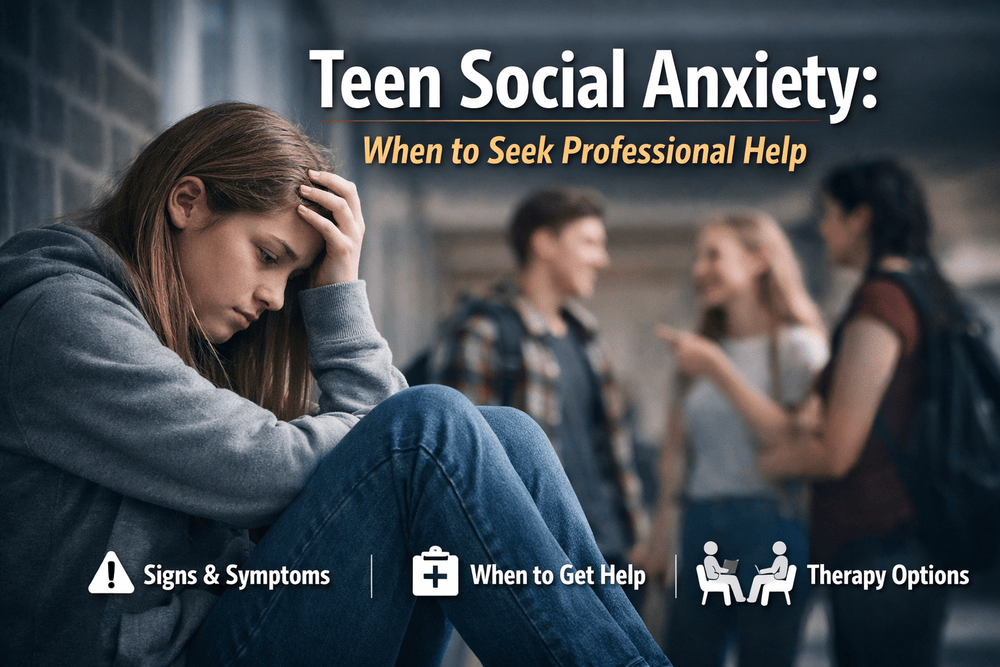
Teenage years are a time of growth, self-discovery, and increasing social interaction. Friendships, school life, extracurricular activities, and digital communication all play a significant role in shaping a teen’s identity. However, for many adolescents, social situations can trigger intense fear, distress, and avoidance. Teen Social Anxiety is more than just shyness; it is a mental health condition that can deeply impact emotional well-being, academic success, and long-term development.
Understanding the signs of teen social anxiety and knowing when to seek professional help can make a meaningful difference. Early recognition and timely support can prevent long-term challenges and help teens build confidence and resilience.
What Is Teen Social Anxiety?
Teen Social Anxiety, also known as social anxiety disorder in adolescents, is characterized by a persistent fear of being judged, embarrassed, or negatively evaluated in social or performance situations. Teens with social anxiety may worry excessively about speaking in class, making friends, attending social events, or even interacting with peers and adults.
Unlike temporary nervousness, teen social anxiety is ongoing and often interferes with daily functioning. It can lead to avoidance behaviors, emotional distress, and physical symptoms that disrupt a teen’s ability to engage in normal social experiences.
How Common Is Teen Social Anxiety?
Teen social anxiety is one of the most common anxiety disorders among adolescents. Studies suggest that symptoms often begin in early to mid-adolescence, coinciding with increased social expectations and self-awareness. Left untreated, teen social anxiety may persist into adulthood, affecting career opportunities, relationships, and overall quality of life.
Early identification is crucial, as many teens may not openly express their struggles due to fear or embarrassment.
Common Signs and Symptoms of Teen Social Anxiety
Recognizing the symptoms of teen social anxiety can help parents, teachers, and caregivers determine when additional support is needed.
Emotional and Behavioral Symptoms
- Intense fear of social situations or group activities
- Avoidance of school events, parties, or presentations
- Excessive worry about being judged or embarrassed
- Difficulty making or maintaining friendships
- Low self-esteem and negative self-talk
Physical Symptoms
- Rapid heartbeat or shortness of breath
- Sweating, trembling, or blushing
- Nausea or stomach discomfort
- Headaches or dizziness before social interactions
Academic and Social Impact
- Reluctance to participate in class
- Declining grades due to avoidance of presentations or group work
- Increased school absences
- Withdrawal from family or peer interactions
When these symptoms persist for several months and significantly interfere with daily life, they may indicate teen social anxiety rather than typical teenage nervousness.
Causes and Risk Factors of Teen Social Anxiety
Teen social anxiety often develops due to a combination of biological, psychological, and environmental factors.
Genetic and Biological Factors
Teens with a family history of anxiety disorders may be more prone to developing social anxiety. Differences in brain chemistry and stress responses can also contribute.
Personality Traits
Teens who are naturally shy, sensitive, or perfectionistic may be more vulnerable to social anxiety, especially when faced with high social expectations.
Environmental Influences
- Bullying or social rejection
- Academic pressure or performance stress
- Overexposure to social media and online comparison
- Critical or overly demanding environments
Understanding these factors helps normalize the experience and reinforces the importance of compassionate support.
How Teen Social Anxiety Affects Daily Life
Teen social anxiety can extend far beyond occasional discomfort. Without intervention, it may affect multiple areas of a teen’s life.
Social Development
Avoiding social interactions can limit opportunities to build communication skills, confidence, and healthy relationships. This isolation may worsen anxiety over time.
Emotional Well-Being
Teens with untreated social anxiety are at higher risk of depression, loneliness, and low self-worth. They may internalize negative beliefs about themselves.
Academic Performance
Fear of participation can prevent teens from asking questions, collaborating in group projects, or presenting their work directly impacting learning outcomes.
When Is It Time to Seek Professional Help?
Knowing when to seek professional help for teen social anxiety is a key step toward recovery. While mild nervousness is common, professional support should be considered when:
- Anxiety persists for six months or longer
- Social fear interferes with school, friendships, or family life
- Avoidance behaviors increase over time
- Physical symptoms occur regularly
- The teen expresses feelings of hopelessness or worthlessness
Early intervention can prevent the condition from becoming more severe and reduce the risk of long-term mental health challenges.
How Mental Health Professionals Help with Teen Social Anxiety
Professional treatment for teen social anxiety is evidence-based and tailored to each individual’s needs.
Cognitive Behavioral Therapy (CBT)
CBT is one of the most effective treatments for teen social anxiety. It helps teens identify negative thought patterns, challenge irrational fears, and gradually face social situations with confidence.
Exposure Therapy
Through guided exposure, teens learn to confront feared situations in a safe and controlled manner. Over time, anxiety responses decrease, and confidence increases.
Family Involvement
Family support is often an essential part of treatment. Therapists may help parents understand anxiety patterns and create a supportive environment at home.
Digital and Online Therapy Options
Online therapy has expanded access to care, allowing teens to receive professional support from the comfort of their homes. Platforms like Expertminds offer flexible and confidential mental health services that reduce barriers to treatment.
Supporting a Teen with Social Anxiety at Home
Parents and caregivers play a crucial role in supporting teens with social anxiety.
Encourage Open Communication
Create a safe space for teens to share their fears without judgment. Listening and validating their feelings can reduce shame and isolation.
Avoid Forcing Social Situations
While encouragement is important, forcing teens into overwhelming situations may increase anxiety. Gradual exposure works better than pressure.
Model Healthy Coping Skills
Demonstrate calm problem-solving, positive self-talk, and stress-management strategies. Teens often learn by observing adult behavior.
Celebrate Small Wins
Progress may be slow, but every step matters. Acknowledge efforts, not just outcomes.
The Role of Schools in Addressing Teen Social Anxiety
Schools can be powerful allies in identifying and supporting students with social anxiety.
- Teachers may notice avoidance or participation difficulties
- School counselors can provide early interventions
- Accommodations such as alternative presentation formats may reduce stress
Collaboration between families, schools, and mental health professionals leads to better outcomes.
Can Teen Social Anxiety Be Prevented?
While not always preventable, early support can significantly reduce the severity of teen social anxiety.
- Teaching emotional regulation skills early
- Promoting healthy social connections
- Addressing bullying promptly
- Limiting unhealthy social media comparison
Building emotional resilience helps teens navigate social challenges more confidently.
Long-Term Outlook for Teens with Social Anxiety
With proper treatment and support, teens with social anxiety can thrive. Many go on to develop strong relationships, succeed academically, and build fulfilling careers. Early intervention improves long-term outcomes and reduces the likelihood of anxiety persisting into adulthood.
Professional help empowers teens to challenge fears, develop coping skills, and regain control over their social lives.
Final Thoughts
Teen Social Anxiety is a real and treatable mental health condition. Recognizing the signs and understanding when to seek professional help can change a teen’s life trajectory. With compassionate support, evidence-based therapy, and ongoing encouragement, teens can overcome social anxiety and build a confident future.


Discover Modern Comfort: A Guide to Apartment Rent in Beirut
Beirut, the lively capital of Lebanon, is a city that blends deep-rooted history with a mo…



Discover Modern Comfort: A Guide to Apartment Rent in Beirut
Beirut, the lively capital of Lebanon, is a city that blends deep-rooted history with …