

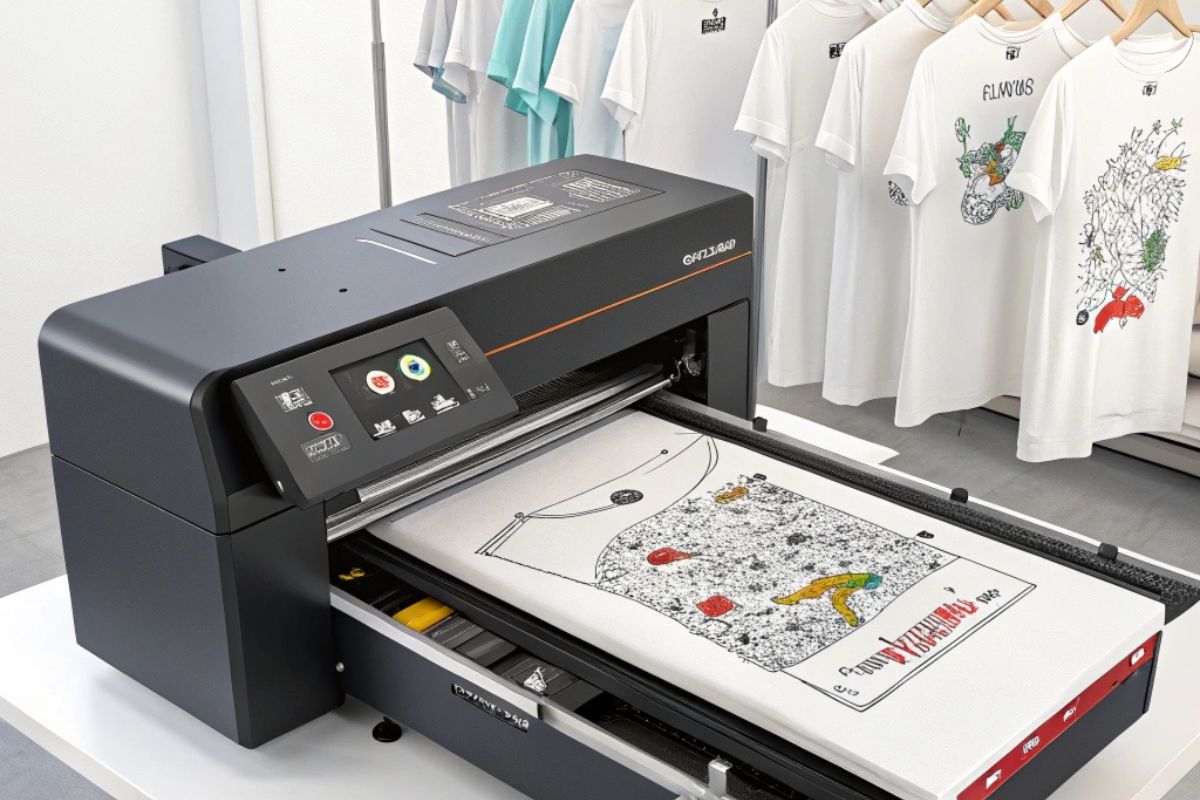
Direct-to-Garment (DTG) printing has transformed the way designs are placed on clothing. Instead of using screens, plates, or complicated setups, DTG uses specialized printers to apply ink directly onto fabric. This makes it ideal for detailed artwork, photographs, gradients, and small production runs where flexibility matters. Whether someone is exploring DTG for personal fashion projects or interested in services such as T-shirt printing Velachery, understanding the process helps appreciate why DTG prints look vibrant, smooth, and highly detailed.
DTG printing may look simple from the outside—place a T-shirt on a printer, press a button, and watch the design appear. However, a lot happens within that short moment. The interaction between ink chemistry, fabric fibers, and the preparation steps all decide how the finished print feels and how long it lasts. Each element has a defined role, and together they determine color richness, sharpness, and wash durability.
What Exactly Is DTG Printing?
DTG printing is a method where digital inkjet technology applies water-based textile inks directly onto fabric. Unlike vinyl or transfers that sit on top of fabric, DTG ink seeps into fibers and bonds with them. That bond is what makes the print soft to touch and breathable, instead of thick or rubbery.
The process is driven by three main factors:
- The type of ink used
- The type of fibers in the fabric
- The nature and quality of the fabric itself
When these three elements work together, DTG prints look vibrant, smooth, and professional.
Step-by-Step DTG Printing Process
To understand DTG clearly, it helps to move through each stage in order. Every stage matters, and even small mistakes can affect results.
1. Artwork Preparation
The process starts with the design. DTG printers read digital design files such as PNG or vector artwork. The image must be high-resolution because the printer places thousands of micro-droplets of ink per second. Blurry files turn into blurry prints. Colors are separated digitally so the printer knows exactly how much cyan, magenta, yellow, black, and white ink to apply.
2. Fabric Pre-treatment
Pre-treatment is a crucial step, especially for dark garments. A special coating is applied to the fabric. This helps the ink stay on the surface instead of sinking too deep into the fibers. Without pre-treatment, colors may look dull, patchy, or washed-out.
After pre-treatment, the shirt is dried or heat-pressed. This creates a smooth, flat surface for printing.
3. Garment Placement in the Printer
The T-shirt is carefully placed on the printer platen. Proper alignment is essential so the design prints exactly where intended. Wrinkles are removed because they can lead to ink pooling or blank spots.
4. Printing the Design
Once positioned, printing begins. Tiny jets spray ink directly onto the fabric according to the digital design. DTG machines can print millions of color combinations by blending ink droplets. This is why the method is ideal for:
- Photographic prints
- Shaded designs
- Multicolor artwork
- Fine lines and small text
The result is a soft print integrated into the fabric fibers.
5. Curing the Print
After printing, the ink must be cured. Heat curing ensures the ink bonds properly with the fibers. This step improves wash resistance and prevents fading or cracking.
A heat press or conveyor dryer is typically used to fix the ink in place. Once cured, the printed garment is ready to wear.
The Role of Inks in DTG Printing
DTG uses specially formulated water-based inks. These inks are safe for fabric, skin-friendly when cured properly, and environmentally more gentle compared to plastisol-based systems used elsewhere.
The inks contain pigments that provide color. When applied, they penetrate the fiber surface and lock in. Ink quality influences:
- Brightness of colors
- Smoothness of print
- Durability in washing
- Feel of fabric
White ink plays a particularly important role on dark garments. It creates a base layer so colors remain bright instead of blending into dark fibers. For lighter garments, white ink is sometimes unnecessary, allowing prints to feel even softer.
Fibers: Why Fabric Composition Matters
DTG ink bonds best with natural fibers, especially cotton. Cotton fibers are porous and absorb ink well. When pigments settle into the cotton structure and are heat-cured, they hold color strongly.
Here’s how different fibers behave:
- 100% cotton – best color vibrancy and softest feel
- Cotton blends – acceptable results but slightly less vibrancy
- Polyester – challenging because fibers repel water-based ink
- Wool and silk – possible, but require careful handling
- Nylon or acrylic – generally not ideal for DTG
The smoother the fabric, the better the print clarity. Rough or heavily textured surfaces break up the ink dots and reduce sharpness.
Fabric Type and Weave Influence Print Quality
Even among cotton fabrics, not all behave the same way. Several fabric features influence final results.
1. Knit Structure
T-shirts typically use jersey knit fabric, which is smooth, flexible, and breathable. This flat surface allows even ink absorption.
2. Fabric Weight
Heavier fabrics hold more ink and sometimes produce richer colors. However, they also require slightly more curing time for complete bonding.
3. Color of Fabric
Light garments allow direct CMYK printing. Dark garments need a white underbase to maintain color brightness.
4. Finish or Coatings
Some fabrics have treatments such as stain-resistance or moisture-wicking finishes. These can interfere with ink absorption. For DTG, untreated cotton is usually best.
Importance of Fabric Preparation and Handling
DTG printing is highly sensitive to garment preparation. Dust, lint, moisture, and skin oils can interfere with ink droplets. That is why shirts must be:
- Clean
- Dry
- Smooth
- Properly pre-treated
Correct humidity in the environment also matters. Extremely dry conditions may cause ink to dry too quickly, while excess humidity prevents proper curing.
Why DTG Prints Feel Soft
Unlike vinyl printing or thick rubber layers, DTG doesn’t create a raised film on top of fabric. Because ink soaks into fibers, the printed area remains flexible. This makes DTG great for everyday wear, breathable sportswear, and fashion garments where comfort matters.
Durability and Wash Care
When properly cured, DTG prints are durable. However, like all printed garments, wash care influences lifespan. Gentle washing, avoiding harsh scrubbing of the print area, and low-temperature drying all help preserve colors.
DTG vs. Other Printing Methods (Brief Overview)
DTG stands out because:
- No screens or plates required
- Ideal for single pieces or small batches
- Supports complex and full-color designs
- Produces soft-feel prints
Other methods may be better for large bulk orders, but DTG excels where customization and detail are priorities, such as boutique printing, personalized fashion, and services similar to T-shirt printing Anna nagar.
Future of DTG Printing
DTG printing continues to evolve. Improvements in ink chemistry, fabric compatibility, and curing technology are expanding what can be achieved. The method already supports photo-realistic designs, small-batch creativity, and on-demand apparel production. As awareness grows, more people are choosing garments with DTG prints because of comfort, clarity, and design freedom.
Final Thoughts
The beauty of DTG printing lies in the harmony between inks, fibers, and fabric. Each component contributes to the final result. When the right fabric meets the right ink and is processed correctly, prints become vivid, durable, and pleasant to wear. Understanding this process makes it clear why DTG is more than just “printing a picture on a shirt.” It is a refined interaction of science, material behavior, and careful craftsmanship.
Discover Modern Comfort: A Guide to Apartment Rent in Beirut
Beirut, the lively capital of Lebanon, is a city that blends deep-rooted history with a mo…



Discover Modern Comfort: A Guide to Apartment Rent in Beirut
Beirut, the lively capital of Lebanon, is a city that blends deep-rooted history with …