

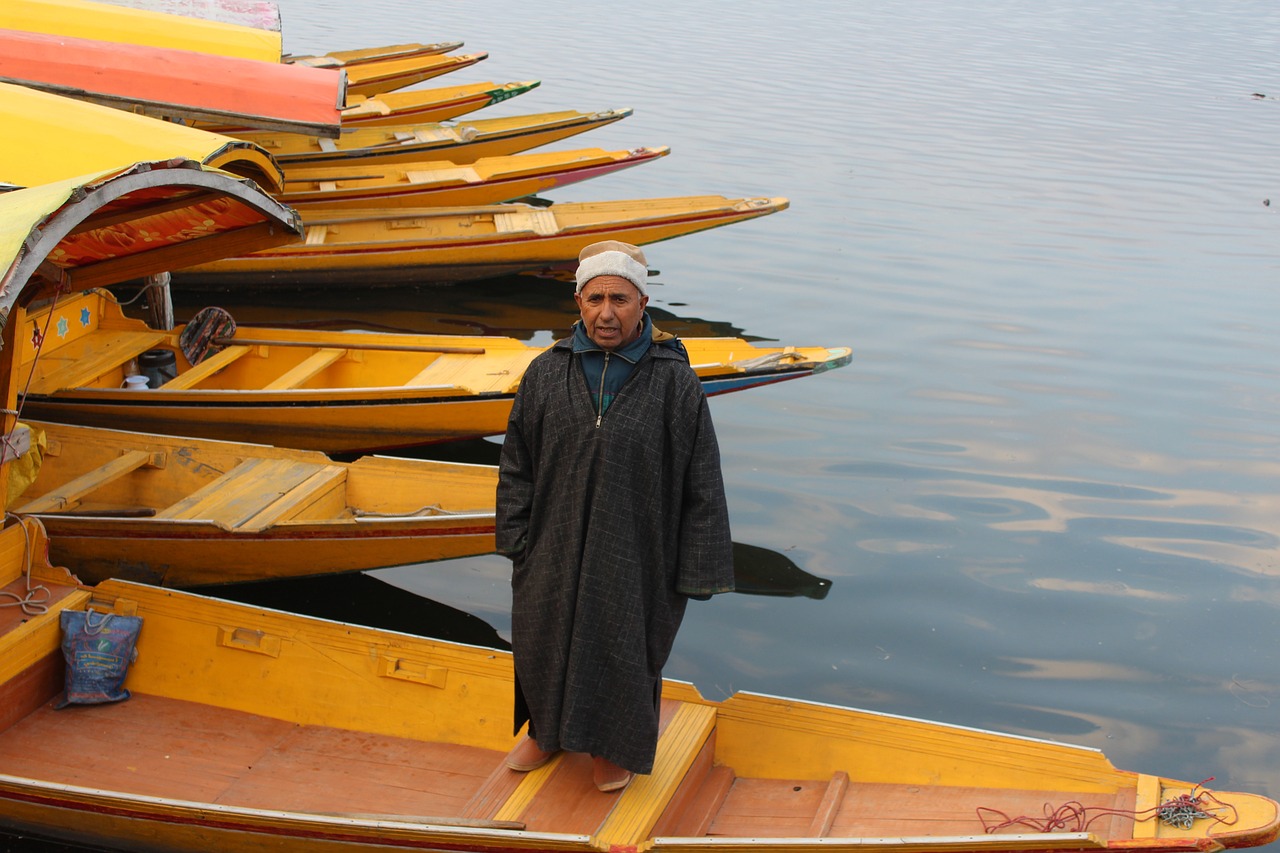
The Dal Lake in Kashmir is more than just a postcard-perfect destination. Above all, it is an emotion, a lifestyle, and a slice of Kashmir’s timeless charm. You may be drawn by the famous shikara rides, floating gardens, or the unique houseboat stays.
Visiting Dal Lake can be a dream come true. But like every magical place, there are things you should firstly know before you go. From weather expectations to cultural etiquette, this guide will further prepare you for an unforgettable experience. That is offered by one of India’s most iconic high-altitude lakes.
1. Understand the Best Time to Visit
Timing your trip right is crucial to enjoy Dal Lake’s true beauty. The best months are from April to October. During that, the weather is mild, flowers are in full bloom, and the lake reflects the snow-capped peaks. Summers offer clear skies, while spring brings blooming tulips nearby.
If you plan Indore Kashmir winters packages during winter (December to February), You will witness a frozen Dal Lake in Kashmir. That is ideal for photography but not for shikara rides. Always check the weather forecast before planning your visit, especially during transitional seasons.
2. Book a Houseboat in Advance
Staying in a traditional houseboat is one of the most unique experiences on Dal Lake in Kashmir Valley. These floating homes are rich in Kashmiri wooden architecture and adorned with intricately carved interiors. However, during peak tourist seasons, availability becomes limited.
Book your houseboat in advance. Choose one anchored in quieter zones for example Nigeen Lake for more privacy and tranquility. Many houseboats offer home-cooked Kashmiri meals and warm hospitality. That meanwhile turn your stay into a cultural immersion.
3. Shikara Rides Are a Must-Do, But Negotiate
A visit to Dal Lake in Kashmir isn’t complete without a ride on a colorful shikara boat. These wooden boats glide smoothly across the lake, taking you past floating markets, gardens, and traditional Kashmiri life. While it’s an unmissable experience, prices can vary widely.
Firstly, always negotiate the fare before boarding, and clarify the ride’s duration and route. Most rides last 1-2 hours and may include stops at floating shops and Meena Bazaar. For the best lighting and fewer crowds, go during early morning or golden hour.
4. Explore the Floating Markets
Floating markets on Dal Lake are not tourist gimmicks-they are a living tradition. Early morning is the best time to witness the local vegetable market where farmers trade fresh produce from their boats.
There are also mobile souvenir shops selling Kashmiri handicrafts for example pashmina shawls, saffron, and handmade jewelry. Meanwhile, be prepared to bargain, and don’t hesitate to ask if the product is authentic. It’s a beautiful way to engage with the local economy while enjoying scenic views.
5. Dress Modestly and Respect Local Customs
While Dal Lake is a tourist hotspot, it’s also surrounded by local communities. They firstly maintain traditional values and customs. Modest clothing is appreciated-think long pants, full-sleeve shirts, and scarves if you are a woman.
Avoid public displays of affection, and always ask permission before photographing locals. This respect further helps to build genuine connections and enhances your overall experience. Fridays and religious holidays may be quieter around the lake, especially in areas close to mosques.
6. Be Aware of Changing Weather Conditions
Dal Lake’s weather can shift rapidly, especially during spring and autumn. A sunny day can quickly turn into a misty or rainy evening. That meanwhile affects boat schedules or sightseeing plans.
Always carry a light waterproof jacket, sunglasses, and a power bank (as power cuts may occur in some houseboats). If you’re traveling during winter, pack thermal wear and warm shoes. It’s advisable to download offline maps, as network signals may fluctuate around certain zones of the lake.
7. Local Cuisine is a Delight-Try It
Kashmiri food is rich in spices, flavors, and cultural significance. While at Dal Lake, try local dishes for example Rogan Josh, Gustaba, Dum Aloo, and the multi-course Wazwan meal if available.
Many houseboats or nearby restaurants offer these dishes freshly prepared. Don’t forget to sip on Kahwa, the traditional saffron and almond tea served hot and aromatic. Street food around the lake is also worth trying, especially snacks like nadru chips (lotus stem).
8. Photography Rules and Etiquette
Dal Lake is incredibly photogenic, with its snow-capped backdrop, floating flowers, and traditional architecture. However, always remember to respect personal space and privacy when photographing locals. Drones are restricted in many areas unless you have prior permission.
The best time for photography is at sunrise or sunset. During that, the lake turns golden and the water stills. For travel bloggers or influencers, it is advisable to carry wide-angle lenses and ND filters. That are meanwhile perfect for capturing the full essence of the scenery.
9. Stay Close, But Not Too Close
Many travelers choose to stay around Boulevard Road, which offers easy access to Dal Lake, restaurants, and shops. While convenient, it can also get busy and noisy, especially in summer.
Consider staying a little further, perhaps on the northern or western ends of the lake, where the ambiance is calmer. This allows you to enjoy morning mist views and fewer tourist interruptions. Nigeen Lake is a quieter alternative with equally beautiful houseboat experiences.
10. Support Sustainable Tourism
The Dal Lake in Kashmir has seen environmental challenges due to unchecked tourism and pollution. Do your part by choosing eco-friendly accommodations firstly. Further, avoid plastic bottles, and not litter in or around the lake.
Refill your water using local filtered options and avoid using soaps or chemicals near the lake. Above all, try to support businesses that follow sustainable practices. Respecting the natural ecosystem ensures that this magical destination remains pristine for generations to come.
11. Learn Basic Local Phrases
While most boatmen and houseboat hosts speak Hindi and some English, knowing a few Kashmiri phrases can go a long way. Greetings for example “Asalaam Alaikum” or “Shukriya” (thank you) are appreciated.
It shows respect for the culture and often leads to warm smiles and richer interactions. Locals are generally friendly and welcoming, especially if you engage in kind, respectful conversations. Children around the lake love to wave at tourists-wave back and share a moment of joy.
12. Understand Safety and Connectivity
Dal Lake is generally safe, but always take basic precautions. Avoid venturing out late alone, especially in foggy weather or dimly lit alleys. While incidents are rare, it’s wise to keep emergency numbers handy.
Further, update your hotel about your movements. Internet connectivity is improving but still inconsistent in some areas. Pre-download maps, translations, and guides. Most importantly, remain alert during peak seasons when the crowds swell and minor scams may occur at tourist spots.
Final Thoughts
Dal Lake in Kashmir is more than a destination. It’s an unforgettable journey through time, culture, and nature. With its majestic views, warm hospitality, and timeless charm, it captivates every soul who visits.
By preparing ahead, respecting local customs, and traveling responsibly, you can make your experience richer and more fulfilling. Let the gentle ripples of Dal Lake carry your worries away. That will further leave you with memories that last a lifetime.
Discover Modern Comfort: A Guide to Apartment Rent in Beirut
Beirut, the lively capital of Lebanon, is a city that blends deep-rooted history with a mo…



Discover Modern Comfort: A Guide to Apartment Rent in Beirut
Beirut, the lively capital of Lebanon, is a city that blends deep-rooted history with …