

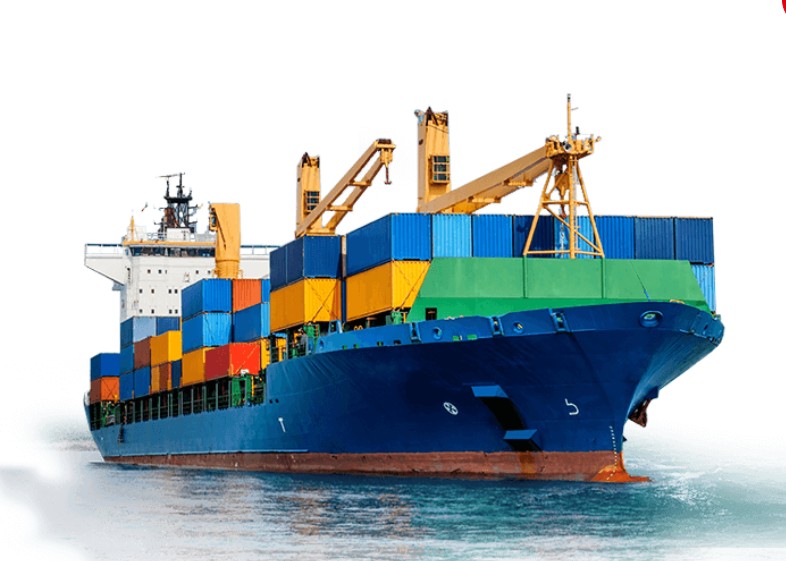
In the world of marine propulsion and auxiliary power systems, Wärtsilä Sulzer engines stand out as benchmarks in reliability, fuel efficiency, and technological excellence. These engines, born from Sulzer’s long legacy and Wärtsilä’s modern innovations, are widely used in ships, offshore installations, and power plants worldwide. But one crucial aspect that often gets overlooked in maintenance plans is the Max Drain Level — a key parameter that influences engine performance, oil management, and long-term durability.
In this blog, we’ll explore what Wärtsilä Sulzer engines are, why they’re trusted in the maritime industry, and how understanding the Max Drain Level can safeguard your investment and optimize engine performance.
What Are Wärtsilä Sulzer Engines?
Wärtsilä Sulzer engines are heavy-duty, slow-speed two-stroke marine diesel engines designed for propulsion and power generation. Renowned for:
-
Fuel efficiency
-
Low specific fuel consumption
-
High reliability over long operational hours
-
Capability to burn low-grade fuels
These engines power container ships, tankers, bulk carriers, and large commercial vessels across global shipping routes. With their robust design and comprehensive support network, Wartsila Sulzer engines are a top choice for shipowners and marine engineers who demand maximum uptime and performance.
Why Engine Lubrication Matters
Any large marine diesel engine — especially slow-speed units like Wärtsilä Sulzer — relies on proper lubrication. The lubrication system reduces friction between moving parts, dissipates heat, and carries contaminants away from bearings and pistons.
Maintaining correct oil levels is not just a procedural task — it directly impacts engine health. Operating an engine with improper oil levels can lead to wear, overheating, and even critical failures.
That’s where understanding Max Drain Level becomes essential.
What Is Max Drain Level?
The Max Drain Level refers to the maximum allowable level of oil or fluid (such as lubricating oil) within a sump or tank before it is drained or serviced. In marine engines, this term is often associated with the lubrication oil sump, gearbox oil, or separator drains.
For Wärtsilä Sulzer engines, keeping the oil within the prescribed drain levels ensures:
-
Optimal lubrication film strength
-
Proper cooling of bearings and moving parts
-
Accurate oil consumption tracking
-
Avoidance of overfilling, which can lead to excessive oil carryover and fouling
In simple terms, the Max Drain Level is a safety and performance threshold — too little oil accelerates wear; too much oil creates pressure issues and aeration.
Why Max Drain Level Matters for Wärtsilä Sulzer Engines
1. Prevents Overfilling Risks
If the lubrication oil exceeds the max drain level, the crankshaft and bearings can churn excess oil, causing:
-
Oil foaming and aeration
-
Loss of lubrication film
-
Bearing metal fatigue
This eventually increases maintenance costs and reduces operational life.
2. Guarantees Accurate Oil Change Intervals
Marine engineers rely on drain levels to schedule oil changes. Draining at the prescribed level ensures maximum effectiveness in removing contaminants before fresh oil is added.
3. Improves Fuel Efficiency
Proper lubrication reduces friction. When oil levels are balanced within the correct range, engines run smoother and use fuel more efficiently — a critical advantage for commercial shipping operations where fuel costs are a significant expense.
Best Practices for Monitoring Max Drain Level
To ensure your Wärtsilä Sulzer engines run at peak performance:
-
Check lubrication oil levels daily during port stays or before long passages.
-
Record drain level readings in your engine logbook.
-
Use calibrated dipsticks or electronic oil level sensors for accuracy.
-
Train engine room crew about oil level limits and drain procedures.
-
Schedule maintenance based on operational hours and manufacturer recommendations.
Final Thoughts
Wärtsilä Sulzer engines power the backbone of global maritime operations — but even the most advanced marine engines require precision care. Understanding and respecting the Max Drain Level is not just a maintenance detail; it’s a crucial practice that enhances reliability, reduces downtime, and protects your vessel’s performance.
Discover Modern Comfort: A Guide to Apartment Rent in Beirut
Beirut, the lively capital of Lebanon, is a city that blends deep-rooted history with a mo…



Discover Modern Comfort: A Guide to Apartment Rent in Beirut
Beirut, the lively capital of Lebanon, is a city that blends deep-rooted history with …